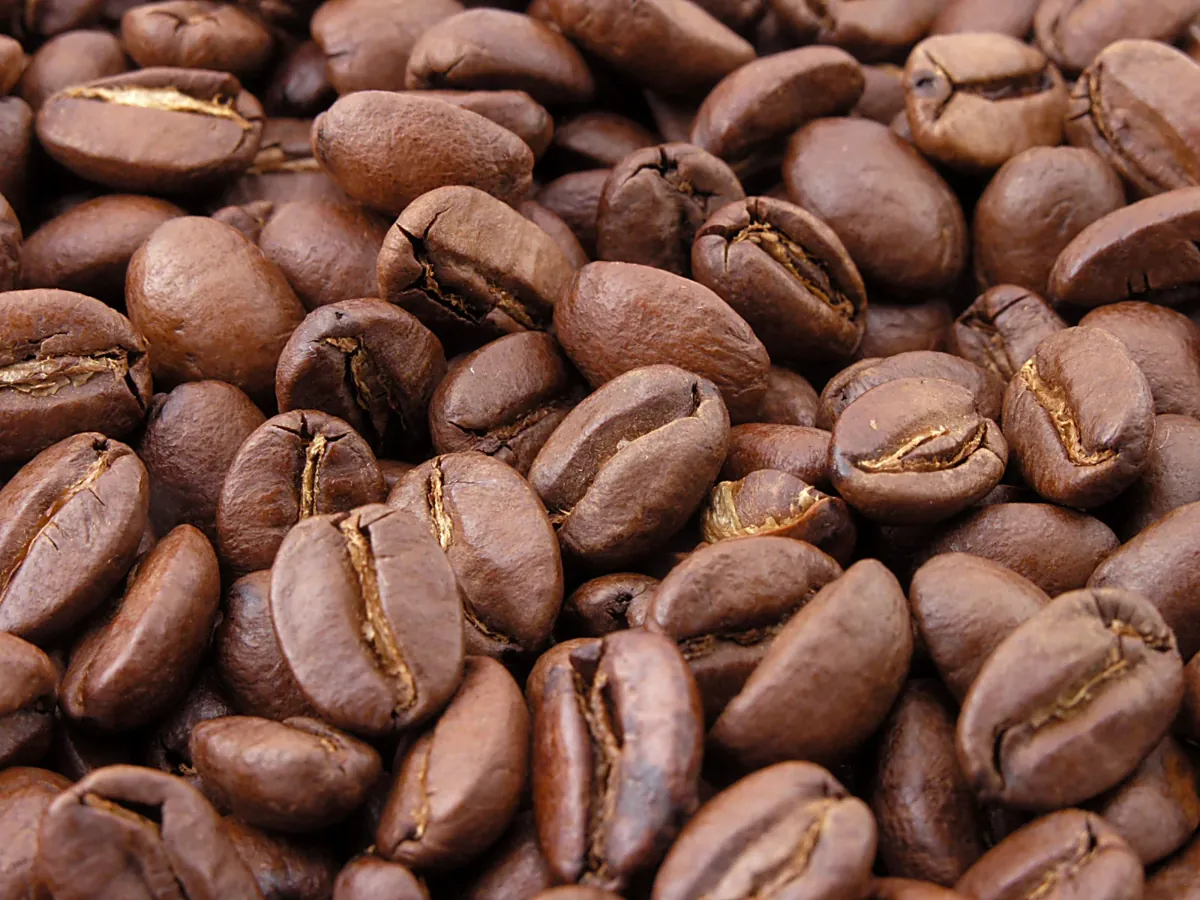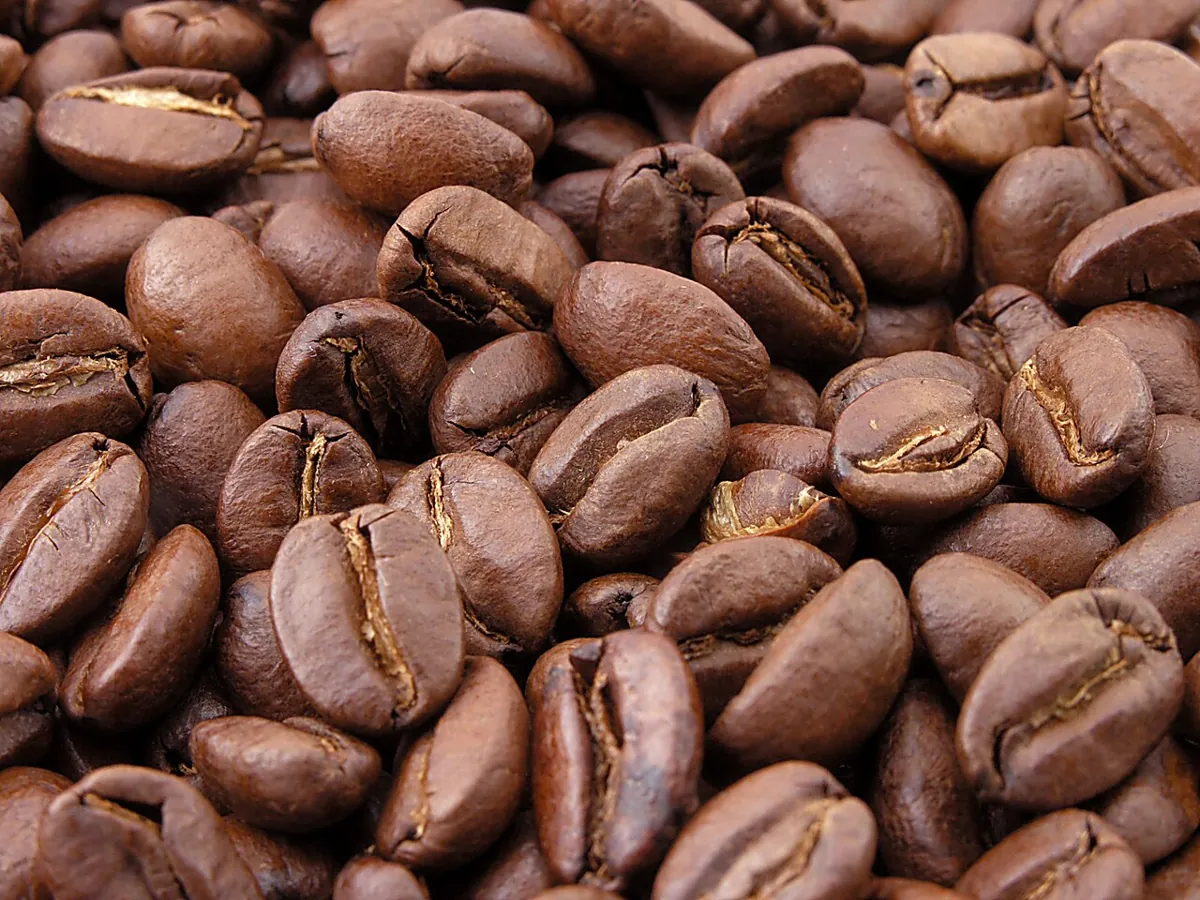

Most coffee drinkers never consider how long the journey from seed to cup actually takes. A coffee seedling planted in the ground will not produce its first commercial harvest for three to four years. The cherry it eventually bears takes nine months to ripen from flower to fruit. After picking, the seed inside that cherry must be milled, dried, graded, exported, roasted, and brewed before it reaches a cup. Understanding this process, particularly as practised in Colombia's renowned coffee-growing region, transforms the way you think about every espresso you order.
Colombia's Coffee Triangle: The Setting
Colombia is the world's third-largest coffee producer by volume, after Brazil and Vietnam, and the largest producer of washed arabica. Its coffee-growing heartland is known as the Eje Cafetero, or Coffee Axis, a region spanning the departments of Caldas, Risaralda, and Quindío in the western Andes. In 2011, UNESCO added the Coffee Cultural Landscape of Colombia to its World Heritage List, recognising the unique combination of geography, biodiversity, and cultural tradition that defines the region.
The terrain here sits between 1,200 and 2,000 metres above sea level. The altitude slows bean development, which concentrates sugars and acids and produces the clean, bright, medium-bodied cup profile that Colombian coffee is known for. Average temperatures range from 17°C to 23°C year-round, with no frost and reliable bimodal rainfall (two rainy seasons per year), which in turn produces two harvests annually rather than the single harvest typical of most other origins.
Stage 1: The Nursery (Months 0–6)
The process begins in a shaded nursery. Seeds selected for planting are typically processed parchment beans (the dried seed still inside its papery inner casing) from high-performing plants. The grower places them in a seedbed of well-drained soil, often under shade cloth that filters roughly 50% of sunlight. Germination takes four to six weeks.
Once seedlings reach about 20 centimetres and develop their first set of true leaves (called the "little soldier" stage, when the two cotyledon leaves split), they are transferred into individual polythene bags filled with a soil and organic matter mix. They remain in the nursery for a further four to six months, watered daily and protected from wind and direct midday sun. The entire nursery phase lasts six to twelve months before plants are sturdy enough for field planting.
Stage 2: Planting and Establishment (Years 1–3)
Young plants are transplanted to the hillside fields, typically during the onset of the rainy season to reduce transplant shock. On traditional Colombian fincas (farms), they are planted at densities of around 2,500 to 5,000 plants per hectare. Higher-density planting using compact varieties such as Castillo or Colombia (both bred by Colombia's Federación Nacional de Cafeteros, FNC) can reach 10,000 plants per hectare.
Shade trees are commonly interplanted on smaller Colombian farms. Guamo (Inga species) is the most popular choice: its spreading canopy moderates temperature fluctuations and its leaf litter adds nitrogen to the soil. Plantain trees often occupy the same field, providing both shade and food for the farming family.
The young coffee plant allocates most of its energy to root and trunk development during years one and two. It produces small amounts of flower and fruit but nothing commercially significant. Weeding, soil management, and monitoring for coffee leaf rust (Hemileia vastatrix), the fungal disease that has devastated coffee crops across Latin America, are the main tasks during this phase.
Stage 3: Flowering
Approximately three to four years after planting, the coffee plant flowers in earnest. The trigger is typically a dry period followed by rain; Colombian farmers sometimes observe this happening within 24 hours of a significant rainfall event. The blossoms are small, white, and five-petalled, and they emit a scent often compared to jasmine or orange blossom. A single mature tree may produce several thousand flowers simultaneously. The flowering period lasts only a few days, after which the petals fall and the base of each flower begins to swell into a fruit.
Stage 4: Cherry Development (9 Months)
The fruit takes approximately nine months to ripen from pollinated flower to mature cherry. Early-stage fruits are small and green, indistinguishable from leaf buds. By six months they are full-sized but still hard and green. In the final weeks of ripening, arabica cherries turn from green to yellow to orange, and finally to a deep, glossy red. Some varieties, including the Yellow Bourbon and the Yellow Catuaí, ripen to yellow rather than red; these are increasingly sought after by specialty buyers for their sweetness.
Each cherry contains two coffee seeds (commonly called beans), lying flat-side against each other, enclosed in a sequence of layers: the outer skin (exocarp), a layer of sweet mucilage, the parchment (endocarp), and a thin silver skin (spermoderm) immediately surrounding the seed itself. Occasionally a cherry contains only one seed, a round one called a peaberry, which some roasters sell as a specialty product for its alleged flavour intensity.
Stage 5: Harvesting
Colombia's Eje Cafetero benefits from two harvests per year: the main harvest (cosecha mayor) runs from October through January; the secondary "mitaca" harvest runs from April through June. Because cherries on the same branch ripen at different rates, selective hand picking is the standard method. Pickers (known as recolectores) pass through the same plant multiple times during a harvest, selecting only the red, fully ripe cherries and leaving green or overripe ones for the next pass.
An experienced picker collects between 100 and 200 kilograms of cherry per day, which yields roughly 20 to 40 kilograms of exportable green coffee after processing. Seasonal pickers travel between farms and sometimes between regions, and their wages are typically set per kilogram of cherry picked. The FNC published a picking rate of approximately COP 1,300–1,500 (around $0.30–0.35 USD) per kilogram of cherry in recent seasons, reflecting ongoing cost pressures on small-scale farmers.
Strip harvesting, in which all cherries are stripped from the branch in a single pass regardless of ripeness, is used more commonly in Brazil's flat, mechanised plantations. It is faster and cheaper but produces a mixed-ripeness harvest that requires more careful sorting and tends to yield lower cup quality.
Stage 6: Processing, Wet Milling
In Colombia, the dominant processing method is washed (also called wet-processed). Freshly picked cherries arrive at the farm's beneficio (processing station) on the same day as harvest. The first step is flotation: cherries are floated in tanks of water, and any that float (indicating low density caused by underdevelopment or disease) are discarded. Sunken cherries pass through a mechanical depulper, which removes the outer skin and most of the mucilage in a matter of seconds.
The depulped beans, still coated in a sticky layer of residual mucilage and enclosed in their parchment, are transferred to fermentation tanks. In Colombia, dry fermentation (without added water) typically lasts 12 to 36 hours, depending on ambient temperature. Fermentation degrades the remaining mucilage through enzymatic and microbial activity. Farmers test completion by feel: properly fermented parchment feels rough and gritty rather than slippery.
After fermentation, beans are washed thoroughly with clean water to remove all mucilage residue. The washing channel also serves as a final quality sort, as any remaining low-density beans float to the surface. Clean, washed parchment coffee moves immediately to the drying phase.
Stage 7: Drying
Traditional drying takes place on raised parabolic drying beds (marquesinas): elevated mesh-bottomed frames covered with plastic sheeting to form a passive solar tent. Beans are spread in a thin layer and turned regularly, often several times a day, to ensure even drying and to prevent mould. The target moisture content is 10–12%, which typically takes 8 to 15 days in Colombia's climate.
Mechanical dryers (guardiolas) are used by larger cooperatives and exporters to accelerate drying and maintain consistency during the wet season. Drying temperature is critical: excessive heat above 45°C can damage the bean's cell structure and degrade cup quality.
Stage 8: Milling, Grading, and Export
Dried parchment coffee is transported to a dry mill, where a hulling machine removes the parchment layer to reveal the green bean inside. The beans are then sorted by size through a series of vibrating sieves (Colombia grades by screen size: 17/18 is the premium export grade, known as Excelso or Supremo) and by density using gravity tables. Finally, colour-sorting machines using optical sensors detect and reject discoloured, defective, or immature beans.
Colombian green coffee is exported primarily through the ports of Buenaventura on the Pacific coast. Buyers include multinational roasters such as Nestlé, JDE Peet's, and Lavazza, as well as specialty importers who purchase micro-lots directly from individual farms or cooperatives such as Cooperativa de Caficultores de Manizales. Green coffee travels in 60-kilogram jute bags or GrainPro-lined bags for specialty lots. Transit time to European ports typically ranges from three to five weeks.
The Colombian Coffee Calendar at a Glance
- January–March: Main harvest winds down; mitaca flowering begins after rains.
- April–June: Mitaca (secondary) harvest in central departments.
- July–September: Main crop flowering; green cherry development begins.
- October–December: Main harvest (cosecha mayor) at peak.
From the moment a seed germinates to the moment its descendant beans are loaded onto a container ship, roughly five years may have passed. That context gives meaning to the price differential between a specialty bag of Colombian single-origin coffee and a generic commodity blend. Specialty coffee is not simply better tasting; it is the product of an extraordinarily labour-intensive and time-sensitive agricultural system.
Related: The Biology of the Coffee Plant: Arabica, Robusta, and What Makes a Good Bean | The Best Countries to Visit for Coffee: Ethiopia, Colombia, and Beyond