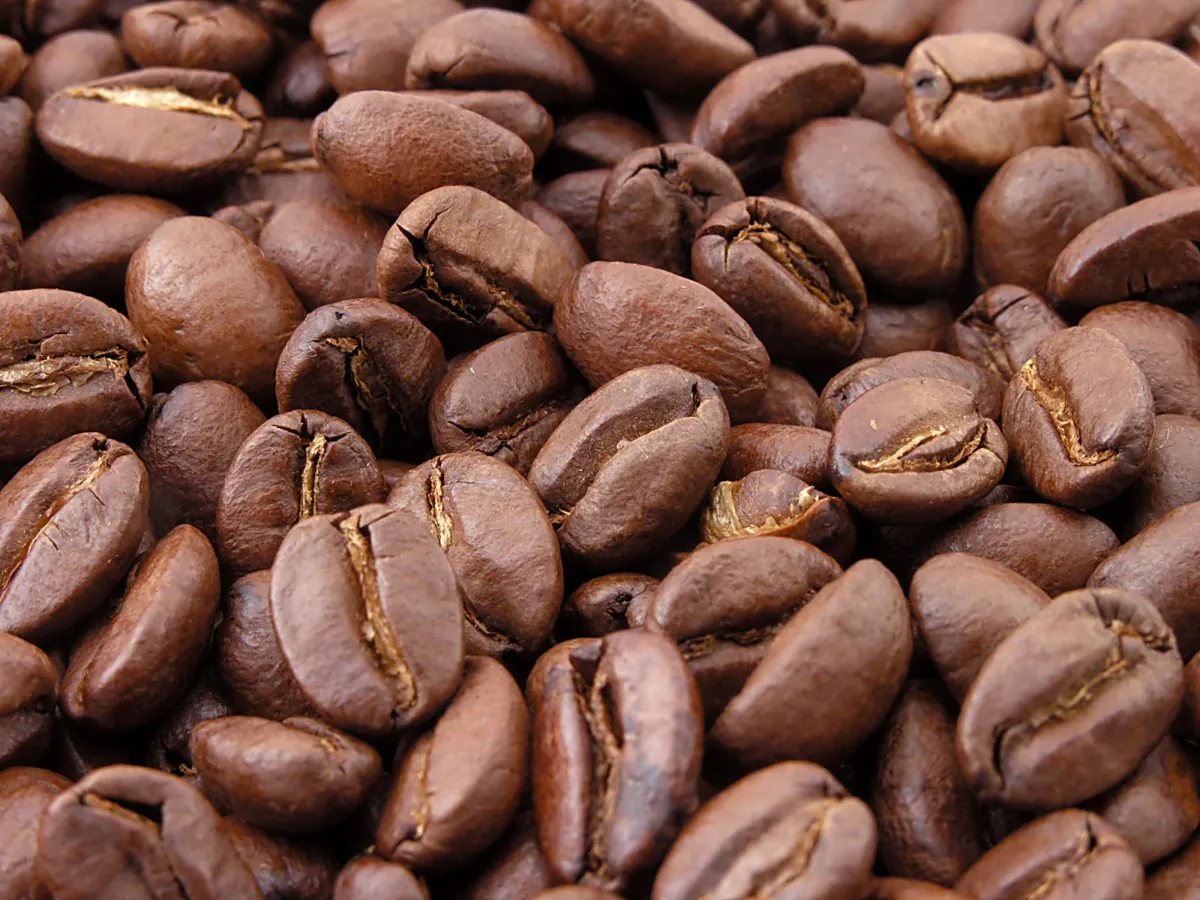
Coffee tourism has grown significantly alongside the global specialty coffee movement. Where once a "coffee trip" meant little more than visiting a cafe in a pretty city, it now encompasses farm stays in Colombia's Eje Cafetero, cooperative visits in Ethiopia's Yirgacheffe zone, guided cupping sessions in Guatemala's Antigua, and third-wave cafe pilgrimages through Tokyo's Shimokitazawa district. For coffee enthusiasts who also like to travel, these destinations offer something rare: the chance to understand the full journey of a beverage you consume daily, on the land where it begins.
Ethiopia: Where Coffee Began
Ethiopia is the birthplace of coffee. Wild Coffea arabica still grows in the montane forests of southwestern Ethiopia, particularly in the Kaffa, Bench-Sheko, and Sheka zones. The country produces roughly 8 million 60-kilogram bags of coffee annually, making it Africa's largest producer and the world's fifth largest. More importantly for the coffee traveller, it offers a diversity of flavour and origin that no other country can match. Ethiopian coffees from different micro-regions can taste dramatically different from each other: floral and bergamot-scented from Yirgacheffe, blueberry and wine-like from Sidama, earthy and complex from Harrar.
Yirgacheffe and the Cooperative Experience
The Yirgacheffe woreda (district) in the Gedeo Zone of the Southern Nations region is one of the most celebrated coffee origins in the world. Farms here sit at 1,700–2,200 metres. Most smallholder farmers deliver their ripe cherries to centralised washing stations, many of which are operated by cooperatives affiliated with the Yirgacheffe Coffee Farmers Cooperative Union (YCFCU), which was established in 2002 and now represents 23 member cooperatives and more than 45,000 farming families.
Visitors can arrange tours through specialist operators such as Trabocca, Sucafina, or local fixers based in Addis Ababa. A typical programme includes a visit to a washing station to observe depulping, fermentation, and raised-bed drying; meetings with cooperative managers; and a cupping session with the cooperative's quality-control team. The best time to visit Yirgacheffe is during the harvest, which runs from November through January. Advance booking through a licensed Ethiopian tour operator is essential, as independent access to cooperative facilities is restricted.
The Ethiopian Coffee Ceremony
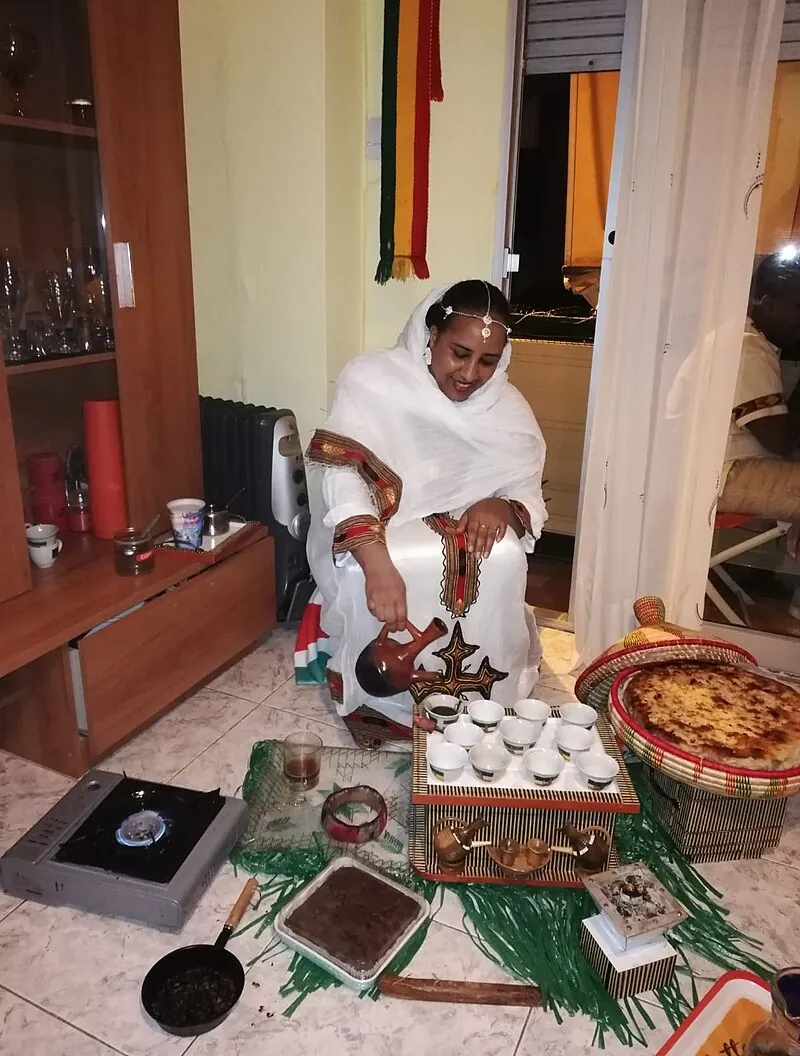
No visit to Ethiopia is complete without participating in a traditional coffee ceremony (buna tetu, "let us drink coffee" in Amharic). The ceremony is a social and cultural ritual performed multiple times daily in Ethiopian homes and is entirely distinct from Western cafe culture. Green coffee beans are roasted over charcoal in a flat pan, the smoke wafting through the room as a signal of welcome. The roasted beans are ground with a mortar and pestle, then brewed in a clay jebena pot over heat. The resulting coffee is served in small handle-less cups (sini), usually with sugar and sometimes with popcorn or bread alongside it. Three rounds are served: the first (abol) is the strongest, the second (tona) is moderate, and the third (baraka, meaning "blessing") is the lightest. Leaving before the third round is considered impolite.
Addis Ababa has excellent cafe culture in its own right. The Tomoca Coffee shop near the Piazza district has been roasting and serving espresso since 1953 and is an essential stop. The Kaldi's Coffee chain (named after the legendary Ethiopian goatherd who supposedly first observed the stimulating effect of coffee berries) operates dozens of cafes across Addis and serves as a useful orientation into local coffee culture before heading into the countryside.
Colombia: The Coffee Triangle
Colombia's Eje Cafetero (Coffee Axis), centred on the departments of Caldas, Risaralda, and Quindío, is the country's most tourism-developed coffee region and receives several hundred thousand visitors per year. The UNESCO World Heritage listing of the Coffee Cultural Landscape (2011) has raised its international profile considerably.
Salento and Finca Visits
The town of Salento, in Quindío department, is the most popular base for coffee tourism in Colombia. It sits at 1,895 metres and is surrounded by coffee farms and Andean wax palms (the national tree of Colombia) in the Valle de Cocora. Salento itself has a charming colonial centre, excellent tienda (shop) coffee sold in tiny tinto cups, and numerous tour operators offering half-day or full-day farm visits.
Hacienda Combia, near Pereira in Risaralda, is a larger estate offering English-language guided tours of the complete coffee production process, from nursery to cupping room, with a restaurant serving traditional Paisa cuisine. Finca El Ocaso near Salento is a smaller family operation that offers more intimate tours with direct access to the farming family. Both can be booked in advance online and cost approximately COP 35,000–80,000 (USD 8–20) per person.
The best time to visit the Eje Cafetero for the harvest experience is October through January for the main harvest (cosecha mayor). The mitaca (secondary harvest) in April through June is smaller but still active. Avoid Colombia's wettest months (April–May and October–November) if you prefer easier travel conditions, though the rain is rarely severe.
Jamaica: Blue Mountain Country
Jamaica Blue Mountain coffee is among the most famous and expensive coffees in the world, trading at retail prices of £50–80 per 250-gram bag. Grown in a narrow band of the Blue Mountains east of Kingston, between 900 and 1,700 metres, the coffee is prized for its mild, clean, low-acid character and absence of bitterness. Japan is its largest export market, importing approximately 85% of the annual crop; the remainder is exported to Europe and the United States.
The main plantations open to visitors include Mavis Bank Coffee Factory, which processes coffee from hundreds of smallholder farmers in the Blue Mountain range, and Clifton Mount Estate, a historic plantation offering guided tours. The drive up into the Blue Mountains from Kingston on the B1 road is an experience in itself: narrow switchbacks through rainforest, with views over Kingston Harbour on clear days. Tours typically combine plantation walking, a visit to the wet mill, and a cupping. Booking directly through the plantation is advisable; the Jamaica Agricultural Commodities Regulatory Authority (JACRA) oversees the industry and can direct enquiries.
Guatemala: Antigua's Volcanic Coffees
Guatemala produces some of Central America's most celebrated arabica, and the Antigua Valley, surrounded by three volcanoes (Agua, Acatenango, and Fuego), is the country's most famous origin. The volcanic soil, high altitude (1,500–1,700 metres), and dry micro-climate produce a dense, full-bodied coffee with chocolate and caramel notes that has earned it SHB (Strictly Hard Bean) classification.
Finca Filadelfia, a 320-hectare estate on the slopes of Acatenango, welcomes visitors year-round and offers comprehensive farm tours, a coffee museum, a cafe, and even accommodation in converted plantation buildings. La Hermosa estate and El Injerto (from Huehuetenango region) are also well-regarded by specialty buyers and offer visitor facilities. Guatemala's harvest runs November through March. The specialty importer Intelligentsia has maintained direct trade relationships with several Guatemalan farms since the early 2000s and publishes detailed origin information useful for trip planning.
Japan: Tokyo's Third-Wave Scene
Japan is not a coffee producer, but it is one of the world's most sophisticated coffee-consuming nations and arguably the spiritual home of third-wave coffee culture. Japanese kissaten (traditional coffee shops) developed an obsessive pour-over craft culture from the 1960s onward, long before the term "specialty coffee" existed in the West. Contemporary Tokyo has one of the densest concentrations of high-quality independent cafes in the world.
The Shimokitazawa neighbourhood in western Tokyo is often cited as the centre of Tokyo's independent cafe scene: small, curated spaces serving filter coffee with the reverence of a tea ceremony. Bear Pond Espresso in Shimokitazawa is famous for its exacting espresso standards. Fuglen Tokyo, originally a Norwegian brand, operates a space in Yoyogi that exemplifies Scandinavian-Japanese specialty coffee crossover. Onibus Coffee in Nakameguro roasts its own beans and has a beautiful riverside location.
For the coffee traveller, Tokyo repays wandering. Neighbourhood convenience stores (konbini) like 7-Eleven, Lawson, and FamilyMart serve freshly brewed 100-yen canned coffees of surprising quality, while the Ueshima and Doutor chains cover the mass-market cafe category. Kissa Ginza, in the upscale Ginza district, exemplifies the old kissaten style, with siphon brewing and classical music. Japan's coffee scene is comprehensive, eccentric, and entirely distinct from any Western equivalent.
Practical Tips for Coffee Travel
- Book farm visits in advance: Popular farms in Colombia and Guatemala fill up weeks ahead, especially during harvest season. Contact farms directly or use specialist operators (Cropster, Origin Travel, or local fixers via the Specialty Coffee Association's member directory).
- Visit during harvest: The experience of watching ripe cherries being picked and processed is qualitatively different from visiting in the off-season when facilities are quiet. Research each origin's harvest calendar before booking flights.
- Take a cupping course first: A basic SCA (Specialty Coffee Association) Sensory Skills course, or even a local specialty roaster's public cupping session, will sharpen your palate before you visit an origin. You will get significantly more from a professional cupping session if you can already identify basic flavour attributes.
- Bring cash: Small farms and cooperatives in Ethiopia and Colombia often do not accept card payments. Local currency in small denominations is essential for tips, small purchases, and transport.
- Check entry requirements: Ethiopia requires an e-visa for most nationalities; Colombia is visa-free for EU/UK/US citizens for up to 90 days; Jamaica is visa-free for UK/US/EU citizens; Guatemala is visa-free for most Western passport holders. Always confirm current requirements with the relevant embassy before travel.
Related: Inside a Coffee Plantation: How Coffee Grows from Seed to Harvest | The Coffee Belt: The World's Coffee-Growing Regions Explained