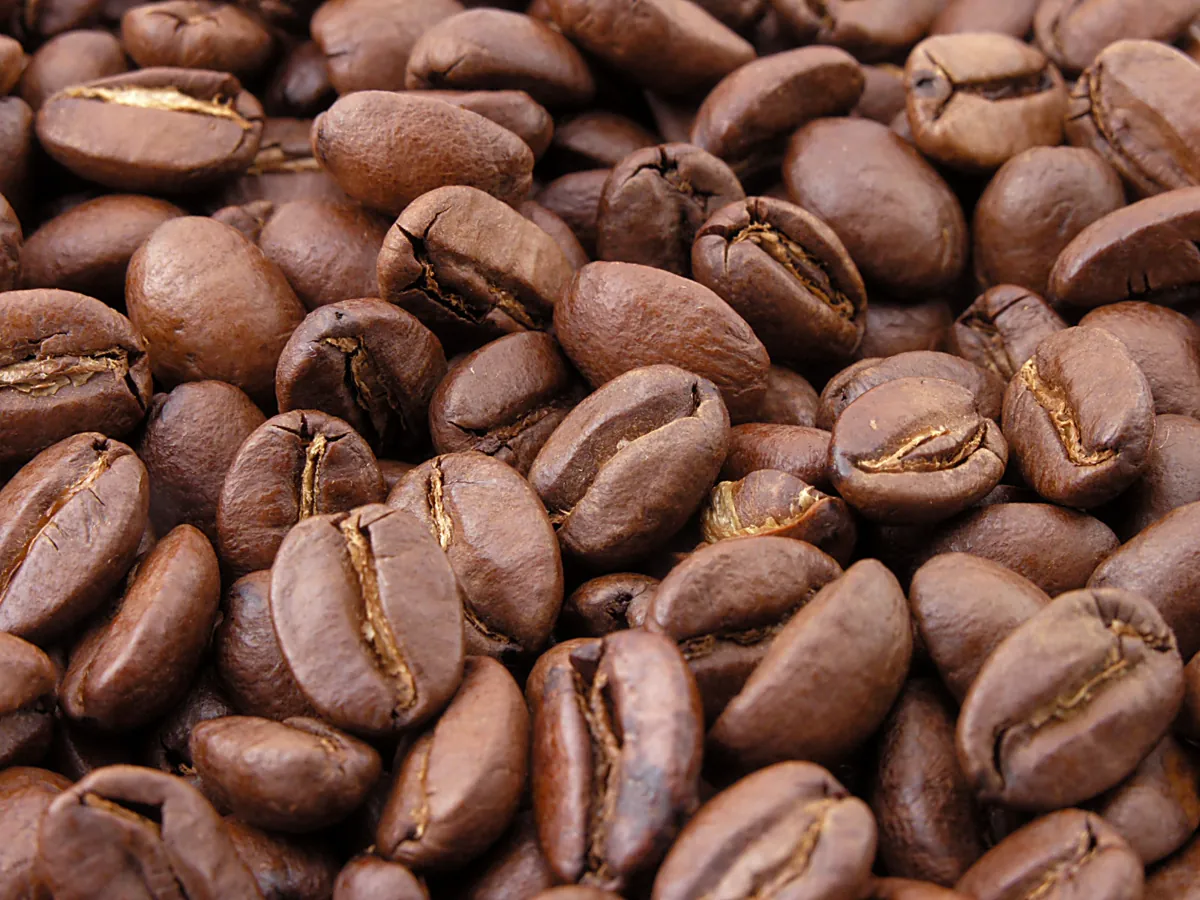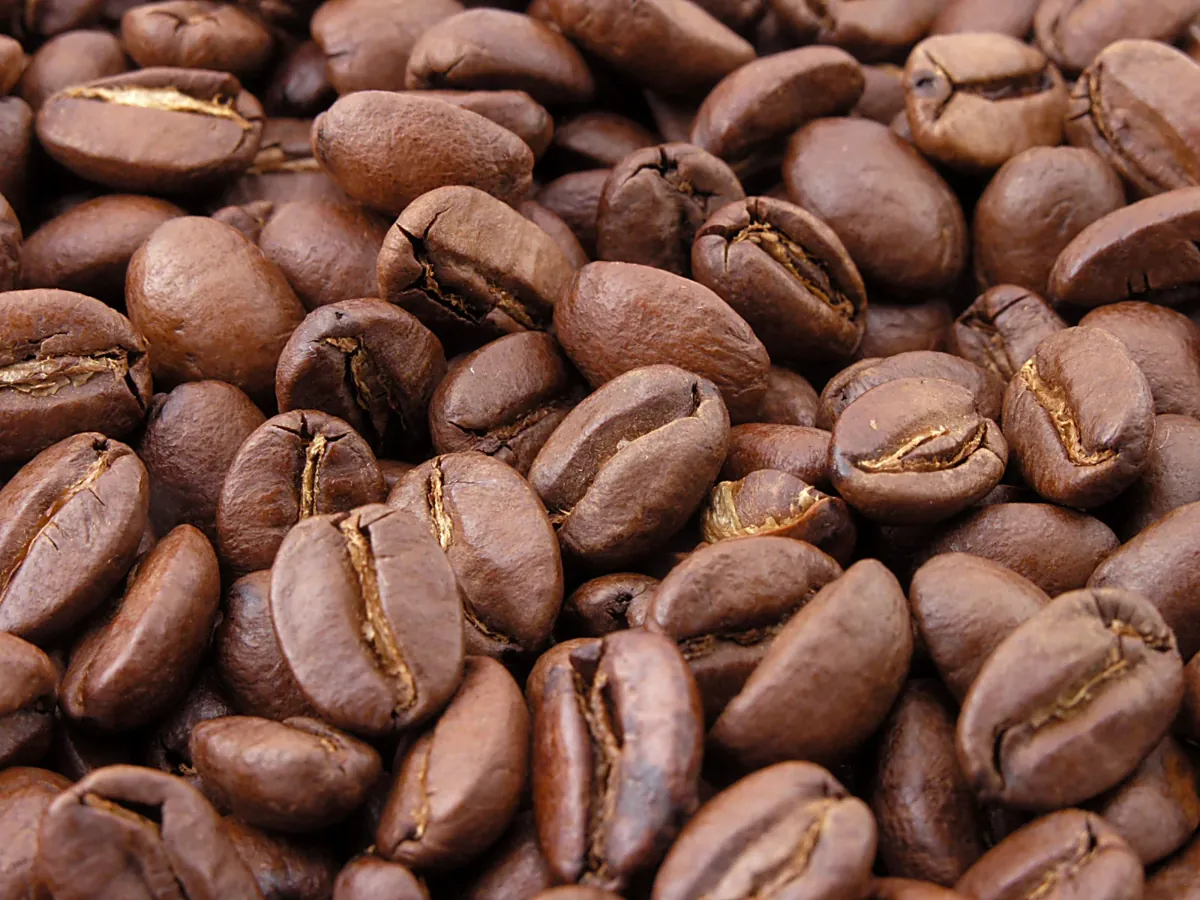
For centuries, coffee processing was viewed primarily as an agricultural hurdle: the goal was simply to remove the fruit (the cherry) from the seed (the bean) and dry it to prevent rotting before export. Today, at the bleeding edge of the specialty coffee industry, processing is viewed through the lens of advanced microbiology. Producers are no longer just farmers; they are biotechnologists utilizing controlled fermentation to radically alter the chemical precursors of flavor within the raw coffee seed.
The Evolution from Washed to Anaerobic
Traditional "Washed" coffees utilize wild, open-air fermentation to break down the sticky mucilage surrounding the bean, yielding clean, traditional flavor profiles. The revolution began with Anaerobic Fermentation. Inspired by the winemaking industry, producers started sealing coffee cherries in stainless steel, oxygen-deprived bioreactors.
- Lactic Acid Dominance: In an oxygen-free environment, the microbial ecosystem shifts violently. Yeast activity slows, and lactic acid bacteria (LAB) dominate. This profound pH shift forces complex esters and intense fruit acids deep into the cellular structure of the green coffee bean.
- The Flavor Result: Anaerobic coffees routinely possess wild, unprecedented flavor profiles—tasting of bubblegum, cinnamon, passionfruit, and heavy boozy rum, completely alien to traditional coffee expectations.
Inoculation and Koji Fermentation
The next frontier extends beyond relying on the wild microbes naturally present on the farm. Producers are now aggressively sterilizing the coffee cherries and purposefully inoculating the fermentation tanks with specific, lab-grown yeast strains (like Saccharomyces cerevisiae used in champagne production) to guarantee specific metabolic pathways.
| Processing Method | Microbial Mechanism | Cup Profile Impact |
|---|---|---|
| Traditional Washed | Wild yeasts & bacteria, open air | Clean, origin-focused, traditional. |
| Anaerobic Lactic | LAB dominance in oxygen-free tanks | Heavy body, intense yogurt/tropical acidity. |
| Koji Inoculation | Aspergillus oryzae (mold) breaks down starches | Massive umami increase, extreme sweetness. |
The Future: Standardization and Climate Resilience
While the wild, funky flavors of experimental processing generate headlines in barista competitions, the underlying science offers a vital solution for the coffee industry's future. Climate change is devastating the high altitudes required to grow delicate Arabica varieties. By mastering controlled microbial fermentation, scientists believe they can take lower-quality, climate-resilient Robusta beans and "ferment in" the complex organic acids necessary to mimic premium Arabica, potentially saving the industry from an impending agricultural crisis.
Related: Water Chemistry: The Invisible Variable in Coffee Extraction | The Best Specialty Coffee Subscription Services in 2026