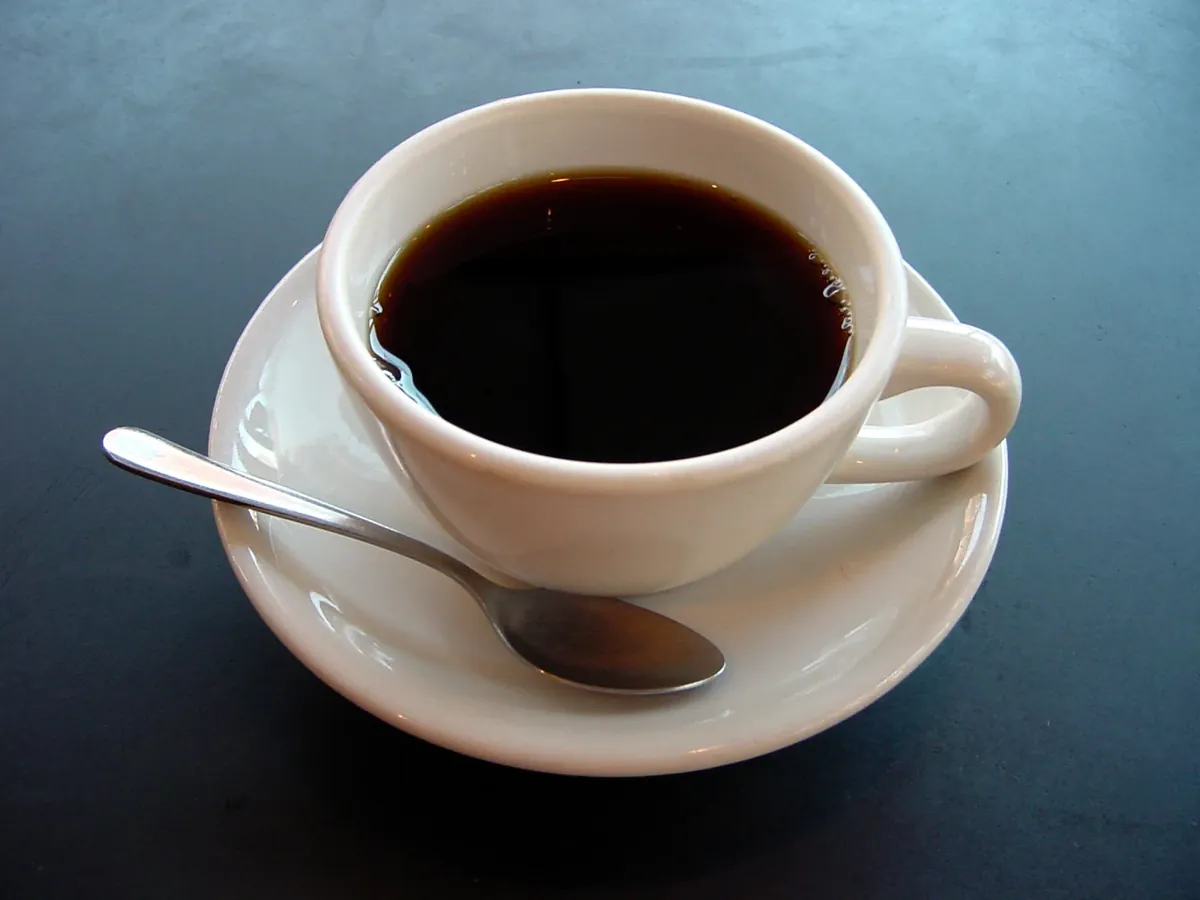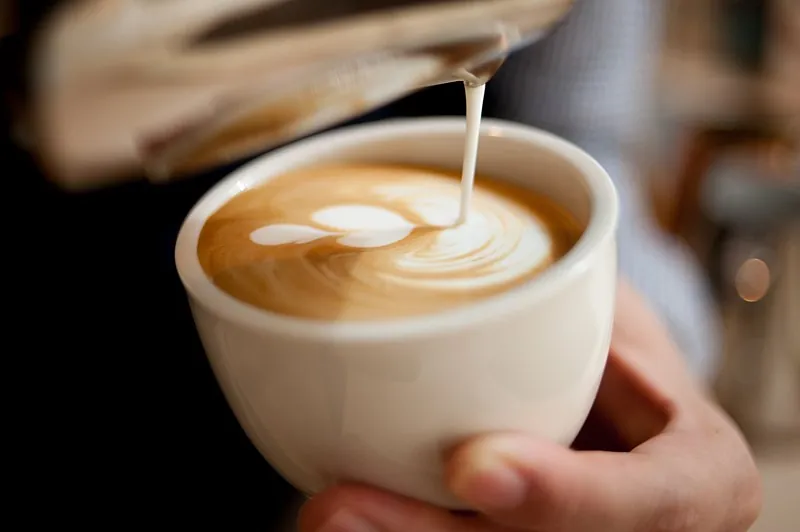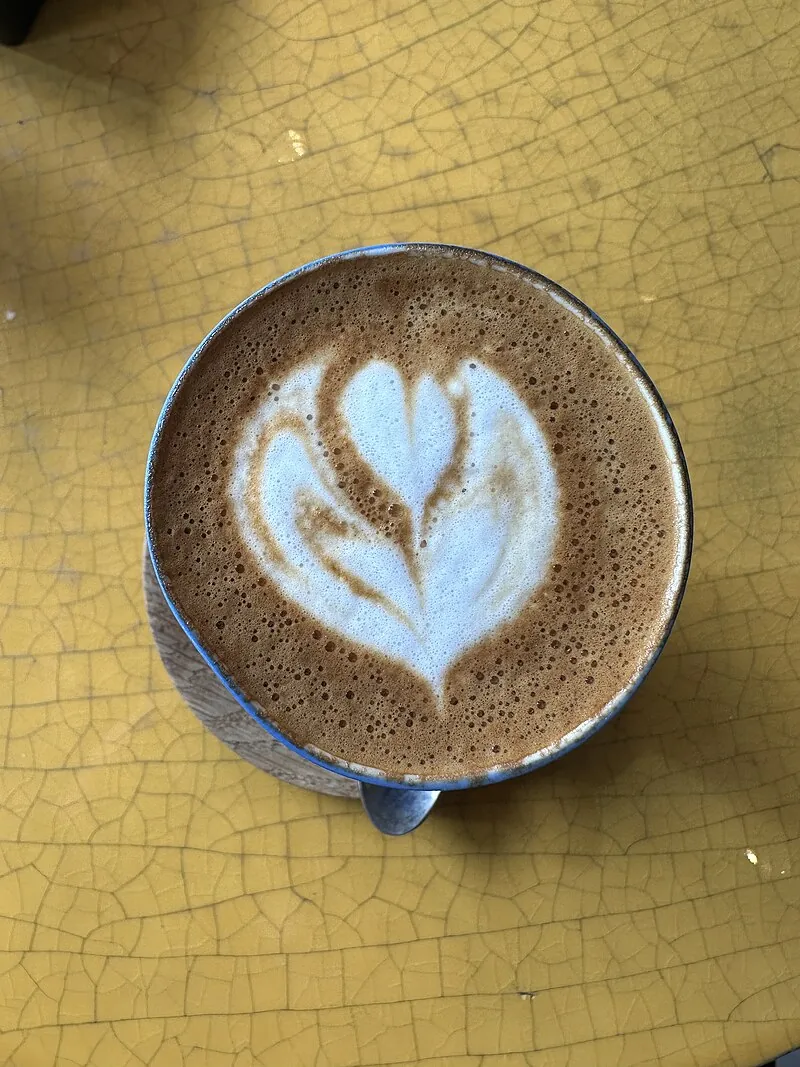
Walk into a specialty café and you may find all three names on the chalkboard: cortado, piccolo latte, Gibraltar. They look nearly identical in the glass, arrive in similar small vessels, and all sit somewhere between a macchiato and a flat white. Yet each has a distinct origin, a distinct espresso base, and a genuinely different flavour profile. Understanding the difference will change how you order and, more importantly, what you receive when you do.
The Cortado: Spain's Everyday Classic
The word cortado comes directly from the Spanish verb cortar, meaning to cut. In this context, a small amount of warm milk "cuts" the intensity and acidity of an espresso. The traditional Spanish cortado is a double espresso with an equal volume of warm, lightly textured milk, served in a small glass or ceramic cup. Total volume: 60–90ml. The milk-to-espresso ratio sits at approximately 1:1.
The cortado is an everyday drink across Spain. In Madrid, it appears on café counters at any hour. In the Basque Country, a regional variant, the cortado con leche condensada, replaces the fresh milk with a measure of sweetened condensed milk, producing a richer, sweeter result that has its own devoted following. Neither version uses the thick, velvety microfoam associated with a flat white or latte; the milk is warm and lightly aerated but not built into a foam structure.
Because the milk volume is low and does not dilute the espresso heavily, the cortado is the most espresso-forward of the three drinks discussed here. The coffee character remains dominant, and any flaws in the espresso extraction, grind, or machine calibration are clearly detectable. Specialty cafés generally pull a standard double espresso (around 36ml) as the base.
The Piccolo Latte: An Australian Invention
The piccolo latte is an Australian creation, not an Italian one despite the Italian-sounding name. It emerged from the dense café culture of Sydney and Melbourne in the early 2000s and is largely unknown outside Australia and the specialty coffee world. The construction differs from a cortado in one critical way: the espresso base is a ristretto rather than a standard espresso.
A ristretto is pulled with the same amount of coffee but significantly less water (roughly 15–20ml of output versus 30–36ml for a standard shot), producing a more concentrated, sweeter, and less bitter extract. The ristretto base is placed in a 90ml glass and topped with steamed microfoam milk, bringing the total volume to roughly 90ml. Because the ristretto is inherently sweeter and lower in bitterness than a standard espresso, the piccolo latte is the mildest and most approachable of the three drinks, even at a comparable total size.
The piccolo is often the drink that baristas use to taste a new espresso recipe mid-service, because the small volume and milk balance reveal the coffee's character without the dilution of a latte. In Australian cafés, you will commonly see it listed simply as "piccolo" on the menu.
The Gibraltar: Blue Bottle's San Francisco Creation
The Gibraltar is neither Spanish nor Australian. It was invented at Blue Bottle Coffee in San Francisco in the mid-2000s. The name comes entirely from the vessel: a Libbey Gibraltar glass, a short, squat, heat-resistant tumbler with a capacity of approximately 4.5 ounces (130ml). Blue Bottle began serving a double espresso with a small pour of steamed milk in this glass and eventually named the drink after it.
In terms of volume and ratio, the Gibraltar sits between a cortado and a flat white. The milk volume is slightly more than a cortado's 1:1 ratio, and the total drink is 110–130ml depending on the café. The base is a standard double espresso, not a ristretto. The milk is steamed to a silkier microfoam than a cortado's warm milk but less voluminous than a flat white's foam-forward construction.
The Gibraltar became a San Francisco specialty coffee signifier in the 2000s and early 2010s, the kind of drink that regulars ordered without explanation and that marked you as someone who knew how a café operated. It spread to other cities as Blue Bottle expanded and as its baristas moved to open their own shops. Today it appears on menus in New York, London, and Sydney, though outside California it is often listed simply as a small flat white or cortado by a different name.
How Each Drink Tastes Differently
The three drinks are close enough in concept that the differences come down to extraction style, milk volume, and milk texture rather than category.
- Cortado: The sharpest and most espresso-forward. The 1:1 ratio means the coffee dominates throughout. The milk softens the harshness of acidity without sweetening the cup. Best drunk with a well-balanced, medium-roast espresso blend where the coffee has something to say.
- Piccolo latte: The sweetest of the three, owing to the ristretto base. Lower bitterness and higher perceived sweetness make it more approachable for those transitioning from lattes to smaller drinks. The 90ml total volume also means it finishes quickly.
- Gibraltar: The most milk-integrated of the three. The slightly higher milk volume and silkier microfoam texture produce a drink that is closer to a miniature flat white than to either of the other two. The espresso character is present but shared with the milk in a more balanced ratio.
The Equipment: Glassware and Milk Temperature
All three drinks are served in small glasses or ceramic cups rather than latte cups. The choice of vessel is not arbitrary: the glass allows the drinker to see the colour of the drink and the barista to assess the milk-to-espresso ratio visually. Common vessels include the Libbey Gibraltar glass (for a Gibraltar, obviously), a small Duralex glass (widely used in Spanish bars), or a dedicated 90ml ceramic cup.
Milk temperature for a cortado is warm rather than hot. The target is approximately 55–60°C rather than the 65–70°C used for a full latte. At this lower temperature the milk is noticeably less sweet (milk sweetness peaks around 60–65°C) and the texture is lighter. The cortado is not meant to be drunk slowly; it is a quick drink, typically consumed at the bar in under three minutes in the Spanish tradition.
For a piccolo, the microfoam should be incorporated rather than floating: the barista pours into the ristretto in the glass, creating a uniform, light-bodied liquid with a few millimetres of foam at the top. A Gibraltar is poured with slightly more care for the microfoam structure, though nothing approaching the latte art precision expected on a full flat white or latte.
How to Order Without Confusion
In most specialty cafés globally, asking for a cortado will produce a double espresso with approximately equal warm milk in a small glass. This is the safest terminology across Spain, the UK, the US, and Australia. If you want a piccolo, use that word in Australian cafés; elsewhere, you may need to specify "a ristretto with a small milk in a 90ml glass." A Gibraltar is only reliably understood at Blue Bottle and the small number of San Francisco-influenced specialty cafés that have explicitly adopted the name.
If you are at a café that has all three on the menu, the simplest rule is: cortado if you want the espresso to dominate, piccolo if you want sweetness and approachability, Gibraltar if you want something between a cortado and a flat white without committing to either.
Why This Category of Drink Matters
The small milk coffees occupy a specific niche in café culture: they are drinks for people who like espresso but want some mitigation of its intensity, without the dilution or volume of a latte. For baristas, they are also a genuine test of espresso quality. A 60ml cortado with 30ml of milk leaves almost nowhere to hide an over-extracted or under-dosed shot. The brevity of the drink is a form of honesty that both rewards good espresso and exposes bad technique.
As specialty coffee culture has moved toward lighter roasts and higher-clarity single origins, the cortado has become more interesting rather than less: a 20g Ethiopian Yirgacheffe pulled as a double espresso and cut with 30ml of warm whole milk produces a cup in which the bergamot and jasmine notes of the coffee are softened but still present. It is one of the few formats that preserves origin character while making it approachable.
Related: What Is a Flat White? The Full Guide | Ristretto vs Espresso: Key Differences Explained