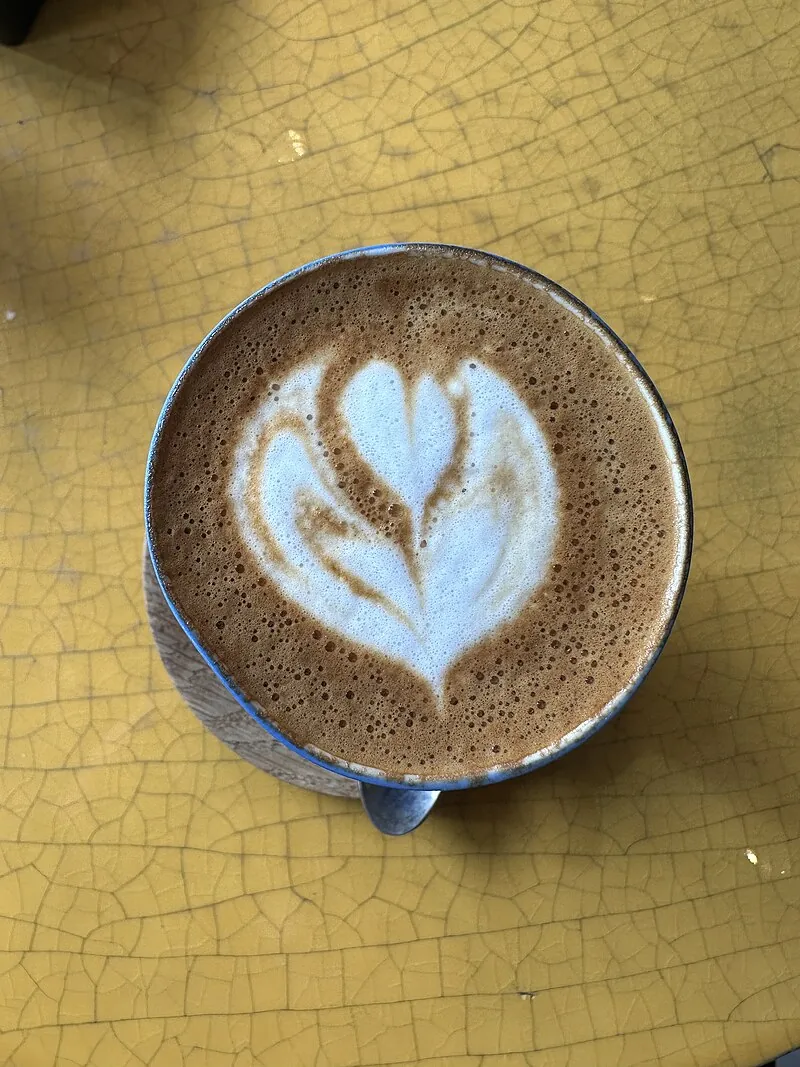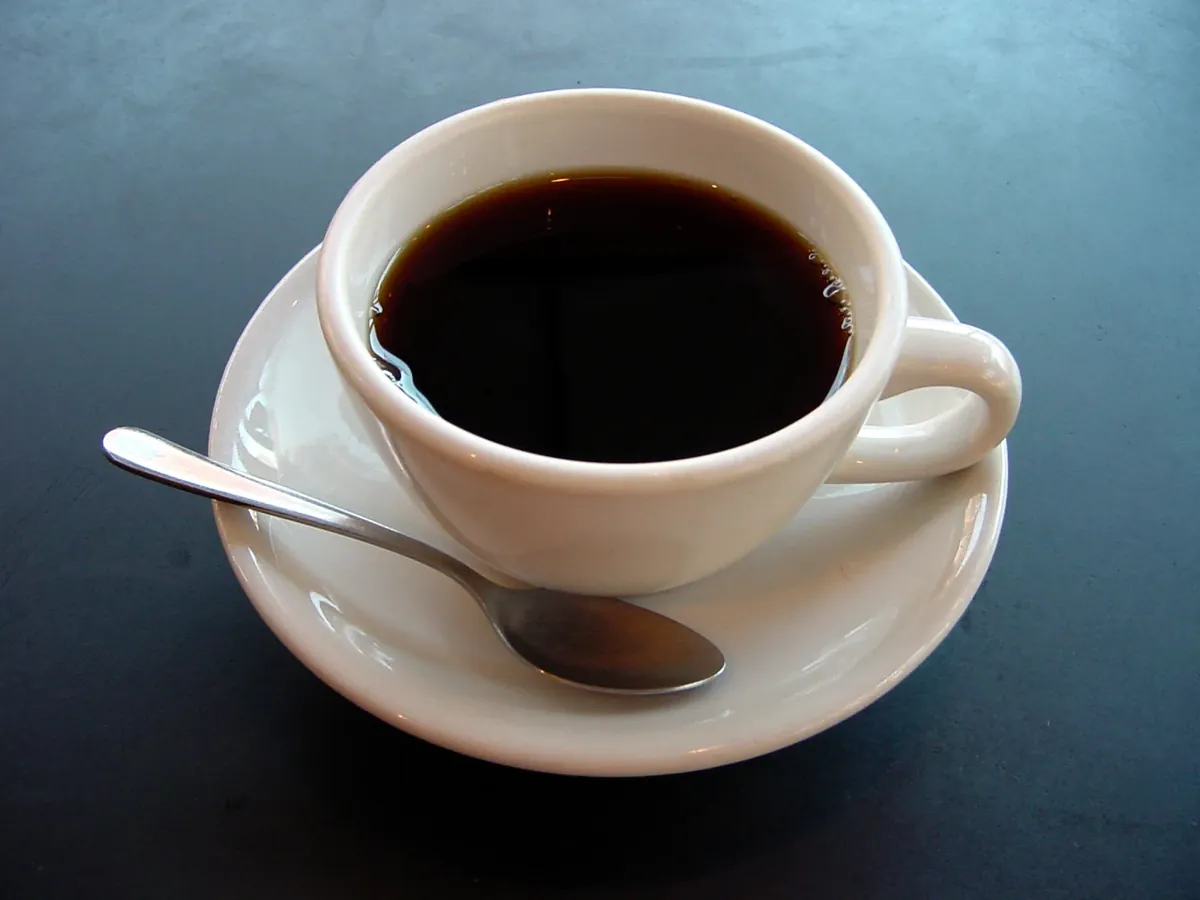
Walking into a modern specialty coffee shop can sometimes feel like stepping into a foreign country where everyone speaks a language you only partially understand. The menu board above the barista is often stripped down to bare essentials: espresso, macchiato, cortado, cappuccino, flat white, and latte. For many coffee drinkers, the line between these drinks is incredibly blurry. They all consist of the exact same two ingredients: espresso and steamed milk. The difference, however, is entirely about ratio, texture, and origin.
Today, we are diving deep into two of the most misunderstood and frequently confused drinks on the specialty menu: the Macchiato and the Cortado. If you love the robust, complex flavor of a well-extracted espresso but find straight shots a bit too intense, these two beverages are the perfect middle ground. Understanding their distinct characteristics will elevate your café experience and ensure you get exactly what you want in your cup.
The Traditional Espresso Macchiato
The word macchiato is Italian for "marked" or "stained." Historically, this drink was created for Italians who wanted to enjoy an espresso later in the day without the heavy addition of milk found in a morning cappuccino. They simply wanted the barista to "mark" the espresso to soften the sharp acidity.
- The Ratio: A traditional macchiato consists of a single or double shot of espresso topped with a very small dollop (usually one to two teaspoons) of textured milk foam. The ratio of coffee to milk is heavily skewed toward the coffee, often 2:1 or even 3:1.
- The Texture: The milk component in a macchiato is almost entirely foam, resting on the surface rather than being integrated into the liquid coffee.
- The Experience: When you drink a macchiato, the first sensation is the airy, sweet microfoam, immediately followed by the hot, intense punch of the espresso. It is bold, aggressive, and highly caffeinated relative to its volume.
It is important to note that a traditional macchiato has absolutely nothing in common with the large, syrupy "Caramel Macchiato" popularized by massive coffee chains, which is essentially an oversized vanilla latte with caramel drizzle on top.
The Cortado: Spain's Gift to Coffee Culture
While the macchiato originates in Italy, the cortado was born in the Basque Country of Spain. The verb cortar means "to cut." In this case, the sharp acidity and intense bitterness of the espresso are "cut" by adding warm milk. It has become a staple of the global third-wave coffee movement due to its perfect balance.
| Drink | Origin | Espresso to Milk Ratio | Serving Size |
|---|---|---|---|
| Macchiato | Italy | Mostly espresso, splash of foam | 2 - 3 ounces |
| Cortado | Spain | 1:1 (Equal parts coffee and milk) | 4 - 4.5 ounces |
| Flat White | Australia/NZ | 1:3 (Espresso to microfoam) | 5 - 6 ounces |
A standard cortado utilizes a double shot of espresso (roughly 2 ounces) combined with exactly 2 ounces of lightly textured milk. Unlike the macchiato, the milk in a cortado is not highly aerated into foam; it is steamed just enough to bring it to temperature and create a silky texture. This milk is then fully integrated into the espresso.
Which Should You Order?
The choice between these two drinks ultimately comes down to how much you want to taste the raw characteristics of the coffee beans. If a roaster has produced an exceptional, bright, fruity Ethiopian single-origin espresso, a macchiato will allow those delicate tasting notes to shine through, merely rounding off the harsh edges with a touch of foam.
Conversely, if you want a comforting, rich beverage where the sugars in the milk caramelize and interact with the chocolatey, nutty notes of a Brazilian or Colombian espresso blend, the cortado is unparalleled. It offers the luxurious mouthfeel of a latte but without the massive volume of milk drowning out the coffee. The cortado is often considered the barista's drink of choice because it tests their ability to pull a perfect shot and steam milk flawlessly, offering nowhere to hide mistakes.
Next time you find yourself at a specialty cafe, step away from the large lattes and order a cortado or a macchiato. You might just discover a newfound appreciation for the complex art of espresso.