Colombia's coffee growing regions — collectively known as the Eje Cafetero (Coffee Axis or Coffee Triangle) — are among the world's most beautiful agricultural landscapes. Steep Andean slopes carpeted in coffee plants, colourful colonial towns with flower-laden balconies, and the warmest hospitality in South America combine to make this a destination of real distinction. In 2011, the UNESCO declared the Colombian Coffee Cultural Landscape a World Heritage Site — a recognition not just of coffee production but of an entire culture built around the bean.
The Regions and Their Flavour Profiles
Huila
In the south, Huila has become Colombia's most celebrated specialty origin. High altitude (1,500–2,100m), a mosaic of microclimates between the Andes ranges, and competitive farming practices have made Huila coffees consistent winners in the Cup of Excellence competition. Expect: bright acidity, tropical fruit, red berry, and floral notes. The town of Pitalito is the regional hub.
Nariño
The southernmost coffee region — sharing a border with Ecuador — produces some of Colombia's highest-altitude coffees (1,700–2,300m). Nariño coffees tend to have intense sweetness, stone fruit notes, and a very clean, bright profile. The cold nights at high altitude slow cherry development, concentrating sugars. Look for Buesaco and La Unión as specific municipalities.
The Eje Cafetero (Caldas, Risaralda, Quindío)
The heart of the Colombian coffee landscape — the three departments that gave the Coffee Axis its name. The landscape here is extraordinary: the steep volcanic hillsides of the Central Andes covered in coffee, plantain, and bamboo, studded with brightly painted towns and haciendas. The UNESCO World Heritage designation specifically recognises this landscape.
The regional hub is Manizales (Caldas), a university city on a narrow ridge with dramatic views. Salento (Quindío) is the most visited town in the coffee region — a restored colonial village with colourful buildings and balconies, at the entrance to the Cocora Valley where the world's tallest palm trees (palma de cera) grow to 60 metres. Filandia and Jardín are quieter alternatives with equal charm.
Santander and Norte de Santander
In the northeast, Santander produces coffees with a distinctive chocolate, walnut, and brown sugar profile — lower acidity, heavier body than southern Colombian coffees. The colonial city of Barichara, near the coffee zones, is one of Colombia's most beautiful historic towns.
Coffee Farm Visits
One of the great pleasures of the Eje Cafetero is visiting working coffee farms (fincas). Most offer guided tours covering the full production process:
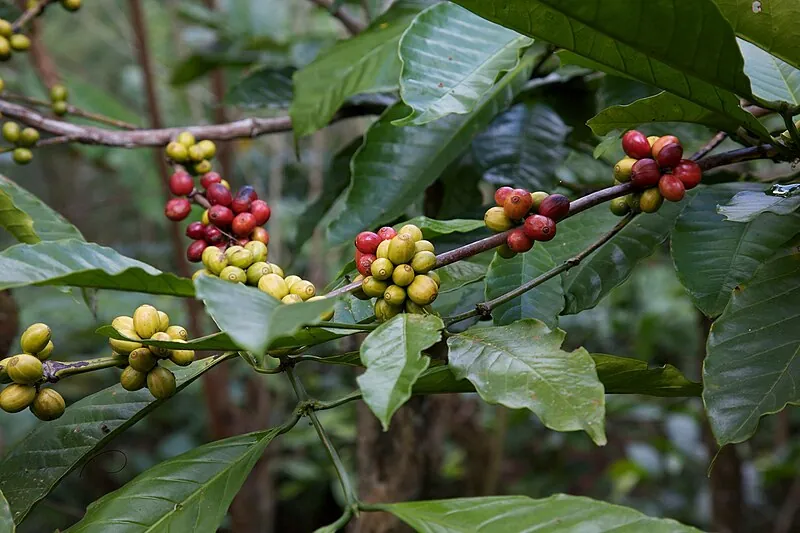
- Walking the plantation to see cherries at different ripeness stages
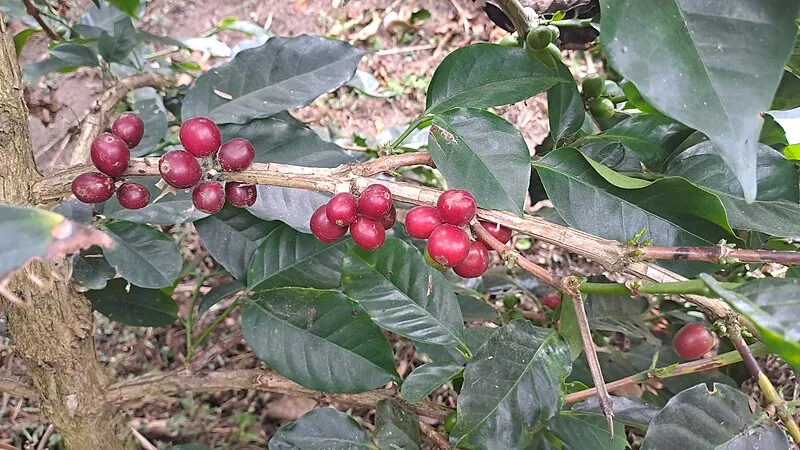
- Hand-picking ripe red cherries alongside workers
- The wet mill — depulping, fermentation, washing
- Drying beds or mechanical drying
- Cupping session — tasting the farm's coffee blind
Notable farm experiences: Hacienda Venecia (near Manizales) is one of the best-organised farm tours, with a beautiful 19th-century hacienda and full-day visitor experience including coffee tasting. Finca Campoalegre near Salento is smaller and more intimate. El Ocaso near Salento offers overnight stays.
The Cocora Valley
Above Salento, the Valle de Cocora is one of Colombia's most surreal landscapes: the wax palms rising impossibly tall above the mist-shrouded Andean valley, walking trails through cloud forest, hummingbirds at every turn. A 7km circular hiking loop (3–4 hours) is the standard route — muddy but accessible.
Practical Information
- Getting there: Fly to Pereira or Manizales for the Eje Cafetero. Both have airports with connections from Bogotá (1 hour).
- Best time: December–March and June–August (dry seasons). Harvest seasons (October–December and April–June) offer the most active farm experience.
- Getting around: Jeep taxis (chivas and traditional 4WDs) are the local transport — a quintessential Eje Cafetero experience
- Budget: Colombia is excellent value — good accommodation $30–80/night; coffee farm tours $15–40
Related: Ethiopia: The Birthplace of Coffee | Top 10 Coffee Producing Countries