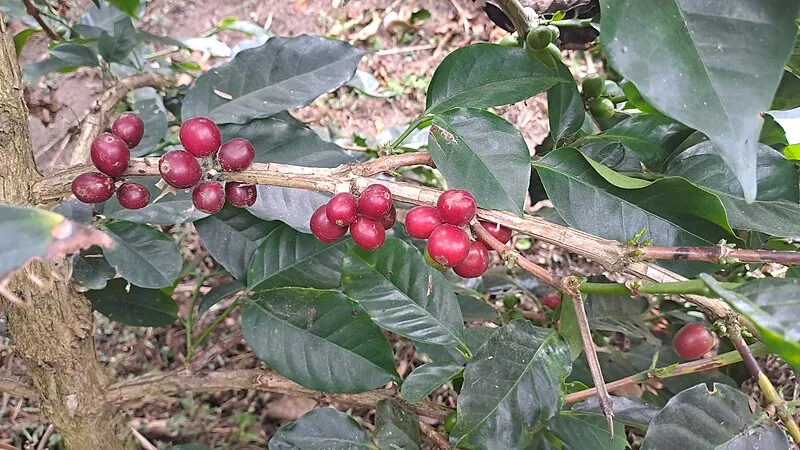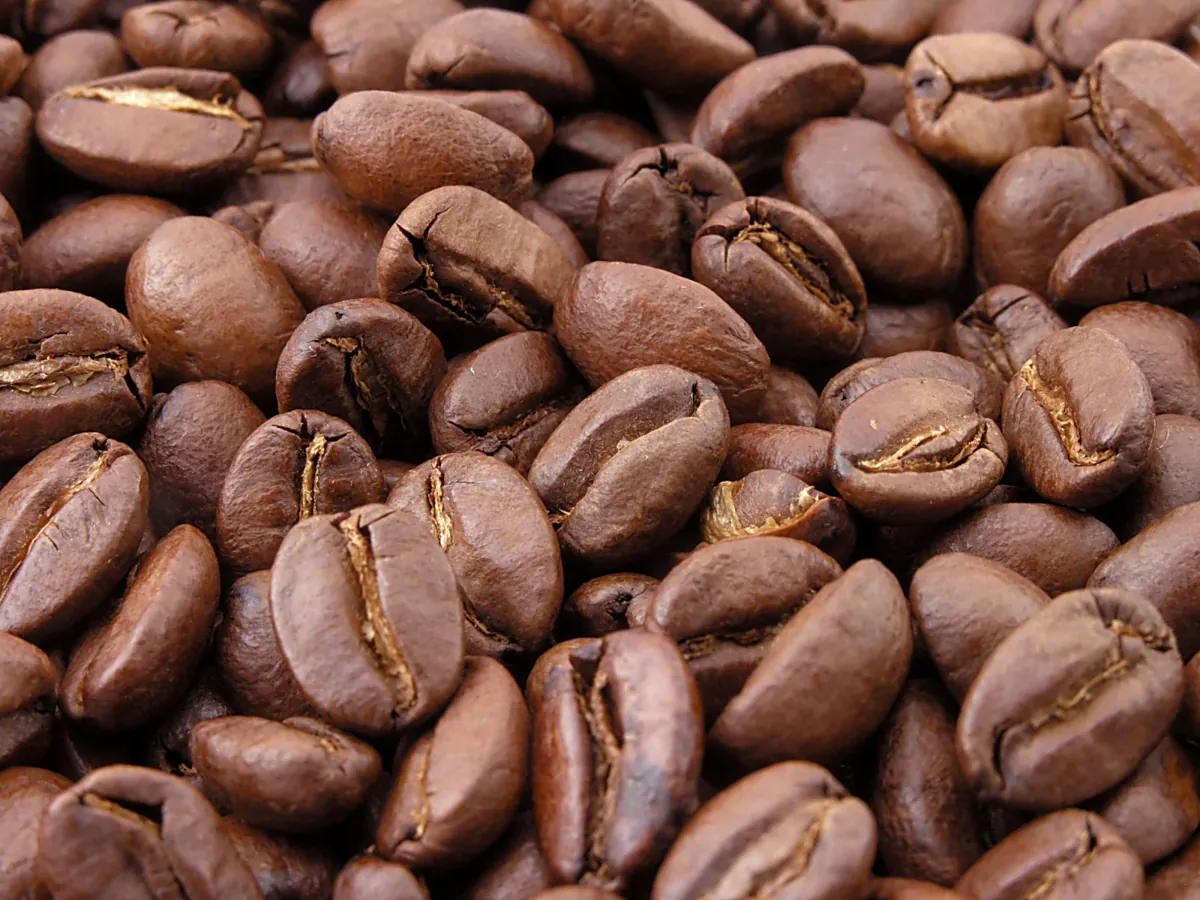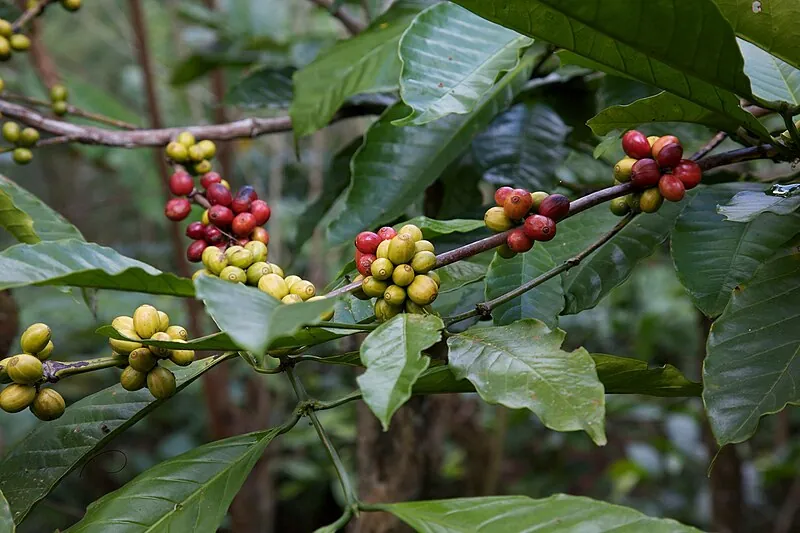
Colombia is the world's third largest coffee producer by volume (after Brazil and Vietnam) and by far the most recognised origin by name recognition among Western consumers. But "Colombian coffee" as a single category is a significant simplification. Colombia is a country of extraordinary topographic complexity, with three separate ranges of the Andes running through its interior, coastal mountain systems in the north, and growing regions that span from 1,200 to over 2,000 meters above sea level across more than twenty departments. Each major growing region produces coffees with distinct cup characteristics shaped by altitude, temperature range, rainfall pattern, soil composition, and the specific varietals grown. The 2011 Protected Designation of Origin (PDO) recognition granted by the Colombian Superintendencia de Industria y Comercio to "Café de Colombia" under European Union GI frameworks established Colombia's coffee as an origin with protected identity, comparable to Champagne wine or Parmigiano Reggiano cheese. Understanding what lies behind that designation requires knowing the regions individually.
The Eje Cafetero: The Traditional Core
The "Eje Cafetero" (Coffee Axis) refers to the traditional coffee heartland of Colombia, centred on the departments of Caldas, Risaralda, and Quindío, with adjacent portions of Valle del Cauca and Antioquia. This is the region associated with the iconic image of Colombian coffee: small family fincas on steep mountain slopes, picked by hand, processed using the traditional washed method, and delivered to the local Federación Nacional de Cafeteros (FNC) cooperative purchasing point. The Eje Cafetero's coffees are characterised by balanced cup profiles with mild acidity, medium body, and clean, consistent sweetness. They are excellent coffees for blending and for large-volume specialty production, but not typically the coffees attracting the highest prices at auction or generating the most excitement among third-wave roasters.
The FNC, established in 1927, is the institution that built Colombian coffee's global reputation. It manages the Juan Valdez brand (the fictional campesino with his mule Conchita, created by advertising agency DDB in 1959 for the FNC's US promotional campaigns), operates the internal quality control system, and manages export standards. The FNC's "100% Café de Colombia" seal appeared on approximately $2.8 billion worth of exported coffee in 2022 according to the FNC's own reporting. The organisation represents approximately 540,000 coffee-growing families, most operating small farms of fewer than 2 hectares.
Huila: Colombia's Most Celebrated Specialty Region
Huila, a department in southwestern Colombia with its capital in Neiva, has become the most frequently cited Colombian origin in specialty coffee circles over the past 15 years. Huila's growing zones cluster around the Magdalena River valley and the surrounding mountains, at altitudes typically ranging from 1,500 to 1,900 meters. The department has two harvest seasons per year due to its equatorial position and complex topography, with main crop harvest typically in October through December and a secondary "mitaca" harvest in April through June. This double harvest makes Huila one of the most productive per-hectare growing regions in Colombia.
Huila coffees are known for pronounced acidity (often described as stone-fruit or red-berry character), elevated sweetness, complex aromatics, and a bright, clean cup that performs exceptionally well under light roasting, the preferred approach of third-wave specialty roasters. The Cup of Excellence Colombia programme, which runs competitive auctions for the country's highest-scoring lots, has consistently seen Huila lots at or near the top of winning scores. In the 2022 Cup of Excellence Colombia, four of the top ten winning lots were from Huila. Prices at these auctions frequently exceed $10 per pound green and have reached over $50 per pound for exceptional micro-lots.
Key municipalities within Huila for specialty production include Pitalito (the self-styled "specialty coffee capital of Colombia"), Acevedo, San Agustín, Timana, and Isnos. The area around San Agustín, also a UNESCO World Heritage Site for its pre-Columbian stone statuary, attracts coffee tourism as a supplement to archaeological tourism. Several farms in the San Agustín area have built cupping and processing facilities accessible to visiting coffee professionals and enthusiasts.
Nariño: High Altitude, Big Acidity
Nariño is Colombia's southernmost significant coffee department, bordering Ecuador. Its growing zone is among the highest altitude in Colombian coffee, with many farms operating between 1,800 and 2,200 meters above sea level. At these elevations, the temperature differential between day and night is extreme, sometimes exceeding 20°C, which slows the development of coffee cherries and produces beans with higher density, more complex sugar development, and very high acidity. Nariño coffees are known for being among the brightest and most acidic Colombian coffees in the market, with flavour descriptors including citrus, tropical fruit, floral notes, and a pronounced tartness that coffee professionals compare to East African growing regions.
The terrain of Nariño is extraordinarily steep. Many farms are accessible only on foot or by mule, and the harvesting of cherries on 60-degree slopes is physically demanding work. This difficulty has historically kept Nariño coffee volumes lower than other Colombian departments and has also limited the development of processing infrastructure. Most Nariño coffee is processed using traditional washed methods, with the coffee cherry depulped, fermented in water tanks for 24 to 48 hours, washed, and then dried on raised African beds or on the farmhouse roof or patio.
Nariño's capital, Pasto, sits at 2,527 meters elevation, making it one of the highest-altitude capitals in Colombia. The city has developed a small but growing specialty café scene built on the region's own coffees, with local roasters including Café Quindío (which has locations in Pasto) and smaller independent roasters. International specialty buyers from Scandinavian and North American roasters have been sourcing Nariño lots since approximately 2010, and the region's reputation in the specialty market has grown substantially since then.
Sierra Nevada de Santa Marta: The Coastal Anomaly
The Sierra Nevada de Santa Marta is a geographically unique growing region: an isolated mountain massif on Colombia's Caribbean coast, separate from the Andes, rising from sea level to 5,775 meters (the Pico Cristóbal Colón, the highest point in Colombia) within just 42 kilometres of the shoreline. Coffee growing in the Sierra Nevada occurs at altitudes between 900 and 1,800 meters, predominantly on the southern and southwestern slopes, in a region that is also home to several indigenous communities including the Arhuaco, Kogui, and Wiwa peoples.
Sierra Nevada coffees are distinct in character from Andean Colombian coffees. The proximity to the Caribbean coast means lower humidity control during drying, different temperature profiles, and a heavier, fuller body than the high-altitude Andean cup. Flavour profiles tend toward chocolate, caramel, and dried fruit rather than the bright citrus acidity of Nariño or Huila. The region has become associated with organic and biodynamic production, particularly through the work of indigenous producers who have maintained traditional farming methods. Several European specialty roasters have developed direct trade relationships with Arhuaco producers, and the ethical narrative of indigenous-controlled, organic mountain coffee has resonated with premium market segments in Germany, the Netherlands, and Scandinavia.
Procafecol (the FNC's commercial arm) and independent exporters including Caravela Coffee and Pergamino have been active in the Sierra Nevada sourcing market. The region's geographical isolation from the main Colombian coffee infrastructure creates logistical challenges that limit total volume but also protect the small-farm character of the production.
Antioquia: Scale and Quality Combined
Antioquia is Colombia's most populous department and, by coffee production volume, one of its most significant. The department encompasses a large range of microclimates and growing conditions, with coffee zones spread across the western and eastern mountain ranges of the Andes at altitudes from 1,200 to 1,900 meters. Antioquia's capital, Medellín, was historically the commercial centre of the Colombian coffee trade, and the city maintains a significant role in coffee export logistics and finance.
Antioquian coffees tend to be well-rounded, with balanced acidity and sweetness, medium body, and a clean, approachable cup character. They are less polarising than the high-acidity Nariño or Huila lots but are extremely reliable performers in the mid-tier specialty segment. Several major Colombian specialty exporters, including Café Imports' direct trade partners and Caravela Coffee's network, have significant sourcing programmes in Antioquia. The Andes sub-region of Antioquia (around Santa Bárbara and Jardín municipalities) has produced some notable Cup of Excellence-competitive lots with more distinct character than standard Antioquian production.
Medellín itself has become a significant coffee tourism destination since approximately 2018, driven by the broader transformation of the city's international image following decades of violence. The Laureles neighbourhood and El Poblado district have developed dense specialty café concentrations, with Colombian roasters including Pergamino (considered one of the country's finest), Café Quindío, and Azahar among those maintaining flagship café and roastery operations in or near the city. The Castañer Building in Medellín houses several specialty coffee businesses and has become an informal anchor of the city's coffee industry social scene.
Microlot Farming and the Traceability Revolution
The most significant development in Colombian specialty coffee over the past decade is not varietal or processing innovation (though both have occurred) but the traceability revolution that has enabled microlot purchasing. A microlot, in Colombian coffee context, is typically the harvested, processed, and sorted production of a single farm, or a single farm's production from a specific plot or varietal, sold as a distinct lot rather than being blended into community-level or regional lots.
The FNC's traditional cooperative model pools coffee from many producers into blended regional lots, which creates consistency and protects smaller producers from market price volatility but obscures farm-level quality differences. The specialty market's demand for traceability, farm names, producer profiles, and specific altitude and varietal information has created an alternative sales channel for Colombian producers willing to invest in documentation and quality differentiation. Exporters including Caravela Coffee, Cofinet, and Pergamino have built business models around connecting individual Colombian producers to specialty buyers globally, typically paying premiums significantly above the C-market price (the global commodity benchmark) in exchange for the traceability and quality standards required.
The varietal landscape of Colombian microlots has also evolved. Beyond the traditional Typica and Caturra, Colombian producers are now growing Gesha (particularly in Huila and Nariño), Pink Bourbon (a natural mutation of the Bourbon varietal found primarily in Huila, highly prized for its fruity sweetness), Tabi (a hybrid developed by Cenicafé, Colombia's national coffee research centre), and various disease-resistant hybrids including Colombia and Castillo. The Castillo varietal, bred at Cenicafé and released in 2005, is highly resistant to coffee leaf rust (Hemileia vastatrix) and has been widely planted as part of Colombia's disease management strategy, though its cup quality is considered inferior by specialty buyers who prefer the flavour complexity of Caturra and heirloom Typica.
Colombia's coffee future is being shaped by the tension between the FNC's volume-oriented cooperative model, which provides stability and income security to hundreds of thousands of smallholder farmers, and the specialty market's demand for individuality, traceability, and premium quality that tends to reward farmers who can invest in post-harvest processing infrastructure and quality control. Both models have legitimate roles. The richness of Colombian coffee as an origin lies in the fact that its geography is large enough and diverse enough to support both simultaneously.
Related: Arabica Coffee Varieties: Typica, Bourbon, Gesha, SL28, and More | Coffee Growing Altitude: How Elevation Shapes Flavor