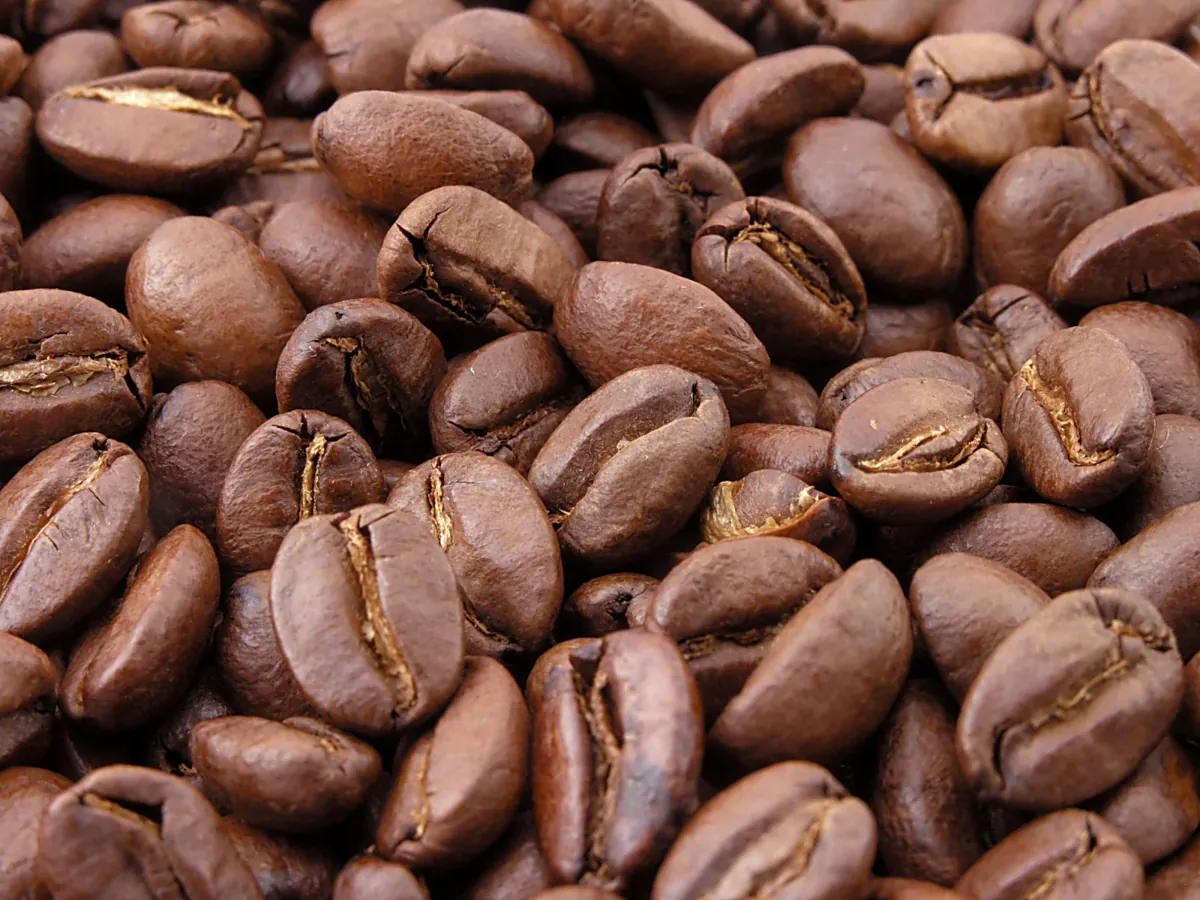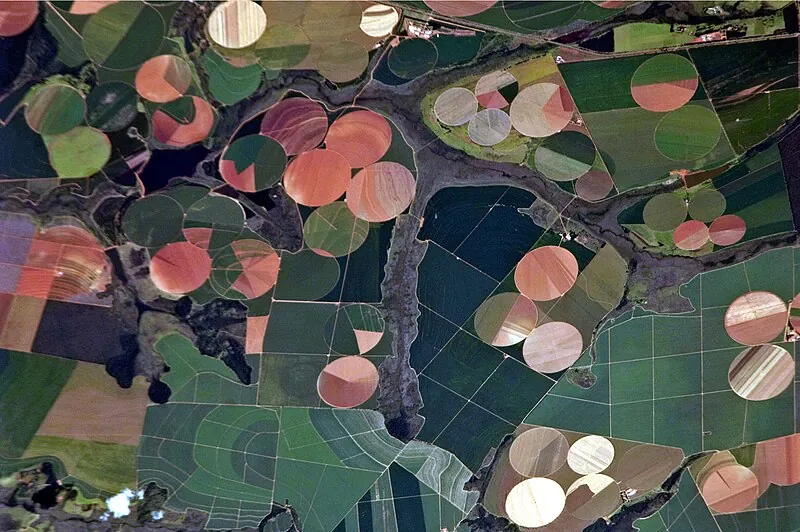
Brazil produces approximately one third of all the coffee in the world — more than the next two largest producers (Vietnam and Colombia) combined. Within Brazil, the state of Minas Gerais produces roughly half of that total, making it, in simple arithmetic, the source of approximately one in six cups of coffee consumed anywhere on Earth. That number is almost too large to process. And yet for most of coffee history, Minas Gerais was associated with reliable, high-volume commodity production — the blend component that kept global coffee prices stable and industrial roasters supplied — rather than with the kind of quality and distinction that generates speciality attention. That has been changing dramatically, and the Minas Gerais specialty coffee story is one of the most significant in the global coffee world today.
Understanding Minas Gerais: Four Distinct Coffee Terroirs
Minas Gerais is Brazil's second largest state — larger than France — and contains four officially recognized and geographically distinct coffee production regions, each with markedly different terroir and resulting cup character.
Sul de Minas (South of Minas)
The historical heartland of Minas Gerais coffee — the mountainous terrain south of Belo Horizonte, bordering São Paulo state. Altitude: 700–1,200m. Climate: well-distributed rainfall, mild temperatures, morning fog. Varietals: primarily Bourbon, Mundo Novo, Catuaí. Processing: predominantly natural and pulped natural (honey).
The cup profile of Sul de Minas is the reference point for what most people mean by "Brazilian coffee": low acidity, full body, chocolate and caramel sweetness, mild nuttiness, smooth finish. It is reliable, well-balanced, and makes an excellent base for espresso blends — which is why it dominates in the blending rooms of Italian roasters and American commercial brands. The lack of bright acidity and the heavy, sweet body is sometimes described as a weakness (it rarely scores above 87 in specialty cuppings); more accurately, it is a stylistic expression suited to its dominant uses.
Cerrado Mineiro
Brazil's first coffee region with a Geographical Indication (certification granted in 2005) — a significant milestone in Brazilian coffee's quality journey. The Cerrado is a flat, elevated plateau in western Minas Gerais (800–1,100m) with highly distinct seasons: a very dry winter (which concentrates sugars in cherries during the maturation phase) and a reliable rainy summer for flowering and fruit development. The dramatic seasonal contrast produces coffees of unusual consistency and clean definition.
Cup profile: balanced, medium body, mild acidity, caramel sweetness, chocolate notes, clean finish. The Cerrado Mineiro's strength is consistency — the dry winter essentially controls ripening in ways that produce predictable, reliable quality year after year, which has made it extremely attractive to specialty buyers seeking traceability and dependability.
Mantiqueira de Minas
The highest and most exciting region — the Serra da Mantiqueira mountain range (900–1,350m) along the border with Rio de Janeiro and São Paulo states. Here, the altitude, the cooler temperatures, the greater diurnal temperature variation, and the influence of the Atlantic Forest biome produce coffee of the greatest complexity in the state. Slow cherry ripening, similar to the conditions that produce Kenya's exceptional cups, creates more concentrated sugars and acids.
Cup profile: brighter acidity (unusual for Brazil), red and stone fruit notes, complex sweetness, long finish, elegant body. Mantiqueira coffees regularly score 87–91 in specialty cuppings — the top of Brazil's quality pyramid. Farms like Sítio da Torre, Fazenda Klem, and the cooperatives around Carmo de Minas have become destination producers for specialty roasters worldwide.
The town of Carmo de Minas in particular has become something of a specialty pilgrimage destination — a small municipality in the Mantiqueira foothills that produces an extraordinary concentration of top-scoring lots and hosts annual harvest events that attract international buyers.
Matas de Minas (Eastern Minas)
The easternmost region — a transition zone between the dry interior and the coastal Atlantic Forest, with higher humidity, more varied terrain, and greater biodiversity. The coffees here are more diverse in character — some resembling the chocolatey Sul de Minas profile, others showing more fruit and acidity from higher-altitude micro-lots. The region is less developed for specialty tourism but produces some interesting small-lot coffees that reward the attention of adventurous buyers.
Brazilian Processing: The Natural and Pulped Natural Revolution
Minas Gerais is central to understanding why Brazilian coffee tastes the way it does. The state's dominant processing methods — natural (dry) and pulped natural (honey) — directly produce the low-acid, sweet, heavy-body profile associated with Brazilian coffee globally:
- Natural processing: Coffee cherries are dried whole in the sun on raised beds or paved terraces. The mucilage and fruit pulp dehydrate around the seed over 3–6 weeks, imparting fruity, wine-like sweetness and full body. Brazil's reliable dry harvest season (June–September in most regions) makes this practical at scale — something impossible in the perpetually humid conditions of many African or Central American origins.
- Pulped natural (honey): The cherry skin is removed but the mucilage is left intact during drying. Produces a clean but sweetness-forward cup — a middle path between natural and washed that retains Brazilian sweetness while eliminating some of natural's wilder fruit fermentation.
- Washed processing: Increasingly used in Mantiqueira and by specialty-focused producers seeking clarity and acidity. Produces a cup atypical for Brazil — cleaner, brighter, more acidic — that is deliberately reaching toward the East African style that scores highly in international specialty evaluations.
Brazil's Specialty Coffee Transformation
The narrative of Brazilian coffee has been changing since the early 2000s, when the Associação Brasileira de Cafés Especiais (BSCA) began systematically promoting quality over volume. The Cup of Excellence Brazil, launched in 1999, was the first in the world and remains the template for similar competitions across all major origins. The results — Brazilian farms regularly producing lots scoring above 90 points, competing with the best of Ethiopia and Kenya — surprised an international community that had assumed Brazilian coffee was inherently limited in quality potential.
The domestic specialty movement has been equally significant: Brazilian urban coffee culture, particularly in São Paulo, has embraced third-wave specialty coffee with extraordinary enthusiasm. The number of specialty cafés in São Paulo rivals New York or Melbourne. Brazilian baristas have won World Barista Championship medals using Brazilian coffees — a development that would have seemed implausible two decades ago.
Visiting the Minas Gerais Coffee Region
The Circuito das Águas in Sul de Minas and the Mantiqueira region around Poços de Caldas and Carmo de Minas offer agritourism infrastructure for coffee visitors: farm stays, harvest participation, cupping sessions, and the extraordinary pleasure of drinking freshly roasted coffee from the same trees you can see from the breakfast table. The harvest runs from June to September; visiting during this period offers the full production experience from cherry picking to dry mill processing.
Related: Cafezinho: Brazil's National Coffee Ritual | Panama Geisha: The $600-Per-Pound Coffee