Walk into a Brazilian business meeting and before any paperwork is exchanged, before prices are discussed, before introductions are complete, a small cup of coffee will arrive. Visit a Brazilian home and the first act of hospitality — more automatic than asking if you want anything — is putting the coffee on. Arrive at the mechanic, the dentist, the notary, the construction site, and someone will ask: "Quer um cafezinho?" — Would you like a little coffee? The cafezinho (literally: "little coffee") is not merely a beverage in Brazil. It is a social protocol, a gesture of welcome, a marker of hospitality, and a cultural institution so embedded in Brazilian daily life that its absence would constitute a mild social offence in most contexts. Brazil is the world's largest coffee producer. It is also the world's second largest coffee consumer. And the cafezinho is the reason why.
What Exactly Is a Cafezinho?
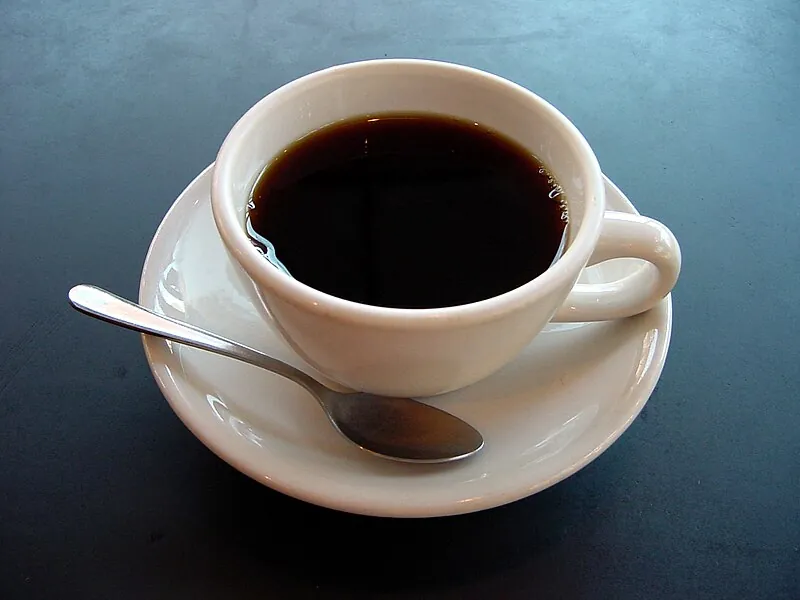
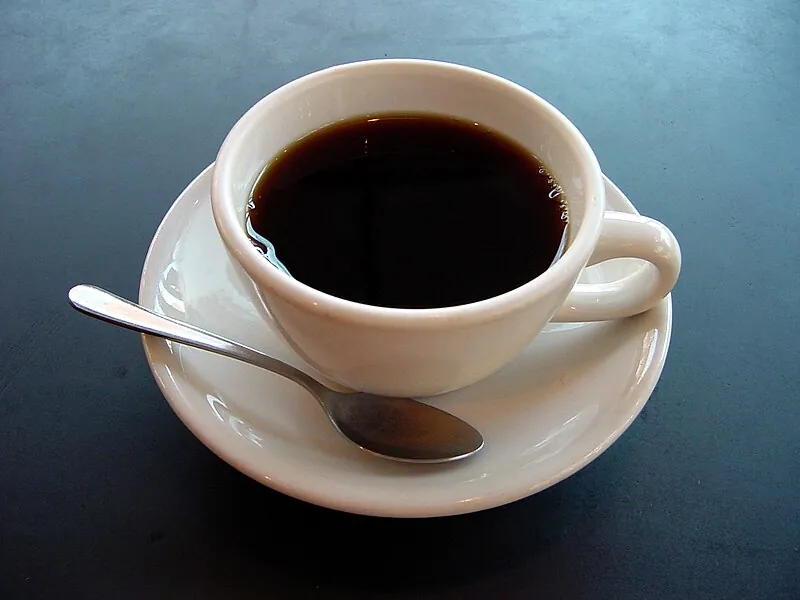
The cafezinho is deceptively simple in description: a small (50–80ml) cup of strong, filtered black coffee, almost always served sweet, at near-boiling temperature. But the details matter considerably.
The Traditional Method: Coador de Pano
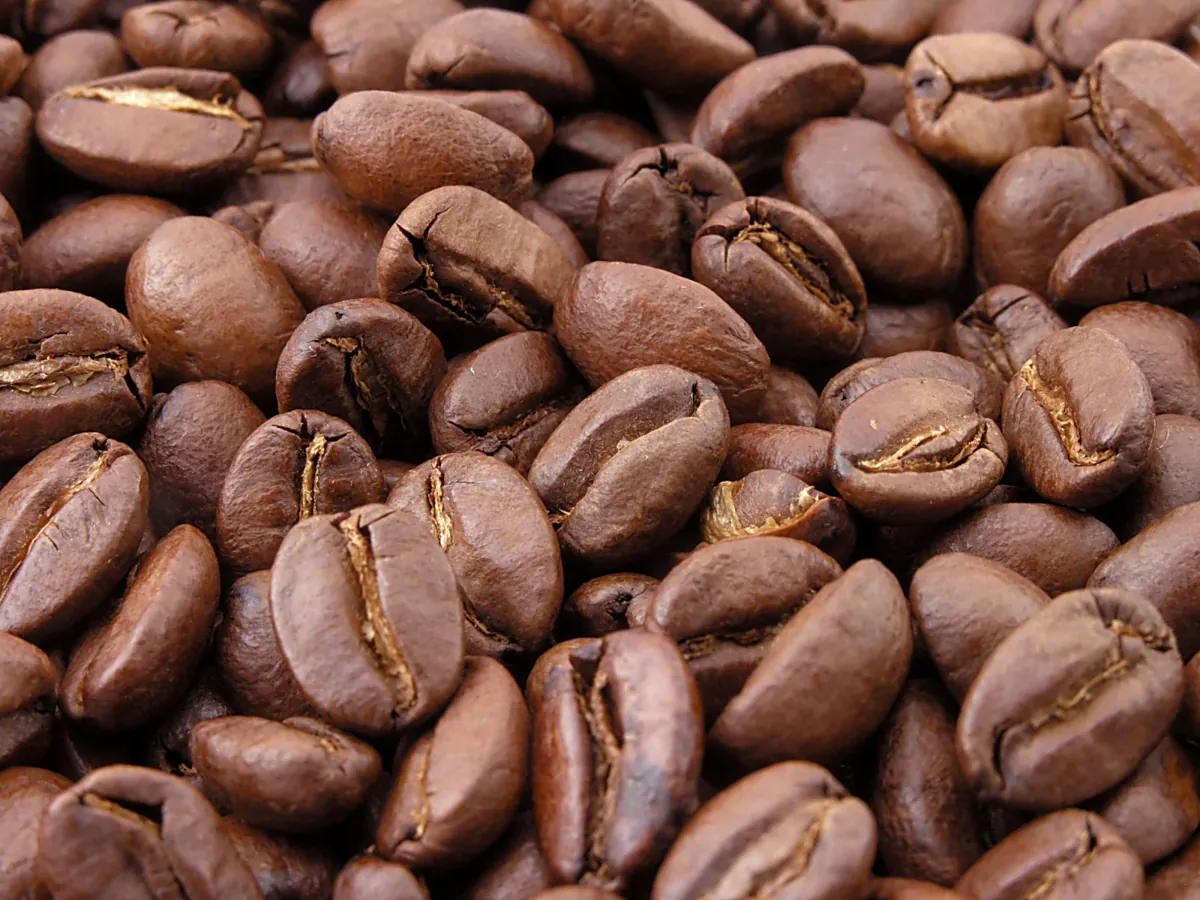
The traditional Brazilian brewing method — still used in millions of homes and many cafés and lanchonetes — is the coador de pano (cloth filter): a flannel or cotton filter mounted in a metal or wooden ring, held over a jug or directly over the cup. Ground coffee (very finely ground, darker roasted) is placed in the cloth, and hot water is poured through. The cloth retains the grounds while allowing a full-bodied, slightly oily coffee to pass through without the paper-filter's ability to strip body — producing a more viscous, richer result than paper filter coffee.
The critical step that separates traditional cafezinho from other strong coffee: the sugar goes in with the grounds before the water is poured. The sugar is stirred into the dry coffee in the coador before brewing, not added afterward. This produces a subtly different result — the sugar participates in the extraction, caramelising slightly at the surface of the hot grounds, integrating with the coffee at a molecular level rather than simply sweetening an already-brewed cup. The result has a specific, slightly thick sweetness with an integrated flavour that dissolving sugar into brewed coffee does not replicate.
The Industrial Stainless Bule
In offices, banks, hospitals, and commercial spaces throughout Brazil, the cafezinho is kept hot in a bule — a stainless steel or glass thermal carafe — and poured on demand into small disposable plastic cups. The bule is filled in the morning, kept warm, and offered throughout the day. This system — informal, democratic, always available — is so universal that the act of going to get a cafezinho from the bule in the office kitchen has become a standard social punctuation mark in Brazilian workday culture: a moment of movement, informal conversation, and micro-break from the desk.
The History: From Portuguese Colony to Coffee Nation
Coffee arrived in Brazil in 1727, when Francisco de Melo Palheta — a Portuguese military officer — smuggled coffee seeds from French Guiana concealed in a bouquet of flowers given to him by the Governor's wife. From this romantic contraband, Brazil's coffee industry grew to dominate the world: by the late 19th century, Brazil was producing over 70% of the world's coffee supply, and coffee funded the industrialisation of São Paulo, the construction of railways, and much of Brazil's economic modernisation.
The domestic consumption culture evolved alongside — and in some ways because of — the industry. The Brazilian coffee sector, aware that the enormous domestic population represented a significant market, actively promoted coffee consumption nationally throughout the 20th century. School children were given coffee with milk (café com leite) at breakfast — not milk with coffee, but the reverse, with coffee as the primary named ingredient. Military recruits drank it. Workers on coffee fazendas drank it constantly. The cafezinho became the lived expression of a nation's relationship with its defining agricultural product.
The Brazilian Coffee Market: A Paradox
One of the most interesting paradoxes of Brazilian coffee culture: Brazil produces some of the world's finest specialty coffee — the Mantiqueira lots, the Cup of Excellence winners, the sought-after natural-process micro-lots that command premium prices internationally. But the coffee most Brazilians drink at home and in the cafezinho tradition is not specialty coffee. It is dark-roasted, often defect-tolerant commercial coffee — the domestic market has historically valued strength, sweetness, and low price over the bright acidity and terroir-driven complexity that international specialty buyers seek.
This is changing: the growth of specialty coffee culture in São Paulo and other urban centers, the Brazilian café scene's engagement with third-wave coffee values, and a growing national pride in origin-specific Brazilian coffee have created a bifurcated market — the traditional cafezinho culture alongside a sophisticated specialty culture. The best Brazilian specialty cafés in São Paulo serve both: the cafezinho as cultural continuity, and the carefully extracted single-origin pour-over as the new expression of the same crop.
The Social Language of Cafezinho
Understanding the cafezinho requires understanding its social function:
- Acceptance is expected: Refusing a cafezinho when offered is not exactly rude, but it creates a slight awkwardness — the host has offered something symbolic as well as physical, and declining can imply rejection of the hospitality itself. "Não, obrigado" is acceptable but should be accompanied by a brief explanation (health reasons, already had one). Simply ignoring the offer is not done.
- It is not about the coffee: In many contexts, the quality of the cafezinho is irrelevant. What matters is the gesture — the pause in the day, the acknowledgment of the other person, the shared moment. A terrible cafezinho drunk together is more socially significant than an excellent coffee drunk alone.
- The cafezinho as currency: In popular Brazilian culture, "dar um cafezinho" (to offer a little coffee) is a euphemism for a small bribe — a modest payment to expedite a bureaucratic process, smooth a negotiation, or thank a favor. The expression acknowledges that the cafezinho functions in the social economy as a token of reciprocal goodwill.
- Variations by region: In the Northeast, coffee is often drunk even stronger and sweeter; in Rio Grande do Sul (the south), the gaucho culture overlays a mate-drinking tradition (chimarrão) that competes with coffee; in São Paulo, the specialty café culture is most developed.
The Modern Cafezinho: Specialty Meets Tradition
A new generation of Brazilian baristas and café owners has been asking: what would a cafezinho made with the quality standards of specialty coffee taste like? The answer has been appearing in São Paulo's third-wave cafés since the 2010s:
- Light or medium roasted Brazilian single-origin coffee (Mantiqueira natural, Cerrado pulped natural) brewed through a cloth filter in the traditional coador
- Very small volume, very strong concentration — but without the dark roast bitterness that made sweetness necessary
- Served without sugar, or with a small amount of demerara or raw cane sugar as an option
- The result: the cultural form of the cafezinho preserved — small, strong, democratic, sociable — with flavour complexity the traditional version rarely achieves
The best cafezinho experiences in Brazil today happen in this middle ground: the hospitality and social function of the tradition combined with the raw material quality of a country that produces, when it chooses to, some of the world's finest coffee.
Related: Minas Gerais: The Engine of Brazilian Coffee | Turkish Coffee: A 500-Year Tradition