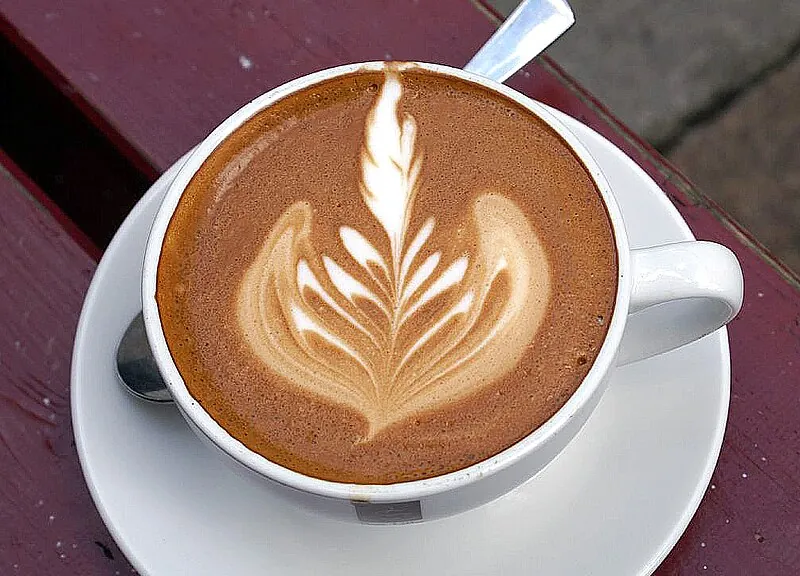
The flat white — or the latte, the cappuccino, the cortado — looks straightforward: espresso and steamed milk. But the difference between a mediocre café latte and a genuinely excellent one is the difference between milk that has been adequately heated and milk that has been correctly texturised — a distinction that comes down to physics and chemistry happening inside a steel milk jug over approximately 20 seconds of steaming. Professional baristas train for months to consistently produce properly texturised milk. Understanding the science makes the skill legible — and gives home espresso enthusiasts a framework for improving their results.
What Milk Is Made Of (and Why It Matters)
The three components of milk relevant to steaming:
- Proteins (~3.2%): Primarily caseins and whey proteins. When heated and subjected to the mechanical action of steam, the protein molecules unfold (denature) and are whipped into a network around air bubbles — this is what creates stable foam. Without protein, the foam collapses immediately.
- Fat (~3.5% in whole milk): Fat molecules coat the inner surface of the protein-stabilised air bubbles, stabilising them and contributing to the creamy, smooth texture of well-steamed milk. Higher fat = more stable, silkier foam. This is why whole milk produces better results than skim milk for coffee.
- Lactose (~4.8%): Milk sugar, which contributes sweetness. As milk is heated, lactose becomes more soluble and contributes to the perception of increased sweetness — properly steamed whole milk tastes noticeably sweeter than the same cold milk, which is why well-made lattes need no added sugar.
The Steaming Process: What Should Happen
Correctly texturising milk involves two simultaneous and sequential stages:
Stage 1: Aeration (Stretching)
Cold milk is placed in the jug; the steam wand tip is positioned just below the surface and slightly off-centre. As steam is introduced, air is drawn into the milk through the vortex created by the wand angle — the milk's volume increases (it is "stretched"). This aeration phase must happen while the milk is still cold (below ~38°C) because:
- Cold milk's proteins are in their native state and more effective at wrapping around and stabilising new air bubbles
- Above ~38°C the proteins begin to denature in a way that makes them less effective at incorporating new air
- Cold milk also gives you more time — the total steaming window is short, and you need the aeration phase completed before you run out of temperature
Stage 2: Texturising (Heating)
Once sufficient air has been incorporated (the milk has expanded by roughly 20–30% for a flat white; more for a cappuccino), the wand is lowered slightly to stop drawing in new air and concentrate on heating and spinning the milk in a whirlpool. This rolling motion:
- Integrates the foam into the milk, breaking down large bubbles into the fine micro-foam that characterises good latte texture
- Heats the milk to the target temperature (60–65°C for most applications — hot enough to denature proteins for sweetness and stability, below the temperature where scalding begins)
The finished milk should have a texture described as "liquid velvet" or "wet paint" — silky, glossy, with bubbles too fine to see individually. When you tap the jug on the counter and swirl, it should move fluidly without visible large bubbles breaking the surface.
Why Whole Milk Beats Everything Else
Whole milk (3.5% fat, ~3.2% protein) produces the best espresso-milk drinks because:
- Sufficient protein for stable foam formation
- Enough fat to stabilise and enrich the foam
- Natural lactose sweetness that intensifies on heating
- Balanced fat-to-protein ratio that produces the ideal textured consistency
Skim milk produces more foam (less fat to break down the bubbles) but it is airy and unstable — more like meringue than velvet. Full-fat cream produces little foam and a heavy, oily result. The 3.5% fat content of whole milk is, functionally, the optimal fat level for espresso-milk drinks.
Milk Alternatives: The Real Differences
As dairy-free milk alternatives have grown in popularity, their behaviour under steaming has been extensively studied:
- Oat milk: Currently the best-performing alternative for espresso drinks — the beta-glucan and starch structure of oat milk creates a foam that behaves similarly to dairy, with reasonable stability and a mild, neutral flavour that doesn't fight the espresso. "Barista edition" oat milks add additional proteins and fats to improve steaming further.
- Soy milk: High protein content means good foam formation, but soy protein is sensitive to the acidity of espresso and can cause curdling (particularly with acidic, light-roasted coffees). Largely displaced by oat milk in specialty cafés.
- Almond milk: Low protein and fat content — produces very unstable foam that separates quickly. Drinkable, but not a technical substitute for dairy in steamed drinks.
- Coconut milk: High fat content (from a different fatty acid profile than dairy), low protein — produces a rich but quickly separating foam with a pronounced coconut flavour that significantly alters the espresso character.
Temperature: Why "As Hot as possible" Is Wrong
Many customers request coffee "extra hot" or "boiling" — but above 68–70°C, milk proteins are damaged in ways that produce:
- A sulphurous, "cooked" flavour from broken-down proteins
- Foam that collapses more quickly
- Loss of the natural sweetness (lactose converts less effectively)
- A general flattening of flavour
The specialty coffee sweet spot is 60–65°C — genuinely hot (too hot to sip immediately), with full sweetness and stable texture. The request for "extra hot" coffee is usually driven by cafés that serve under-temperature drinks; the solution is correctly heated coffee, not over-heating.
Related: The Science of Espresso Extraction | Latte Art: A Beginner's Guide