To the casual observer, brewing a cup of coffee seems like a simple, everyday ritual: pour hot water over ground beans, separate the liquid from the spent grounds, and drink. However, underneath this domestic routine lies a complex chemical extraction process governed by the laws of thermodynamics, organic chemistry, and fluid dynamics. In the specialty coffee industry, mastering this process has been elevated from a craft to a rigorous science. By understanding the relationships between Total Dissolved Solids (TDS), brew strength, and extraction yield, home brewers and professional baristas alike can demystify why a cup tastes sour, bitter, or perfectly balanced, allowing them to dial in the perfect cup with mathematical precision.
Solubility and the Roasted Bean
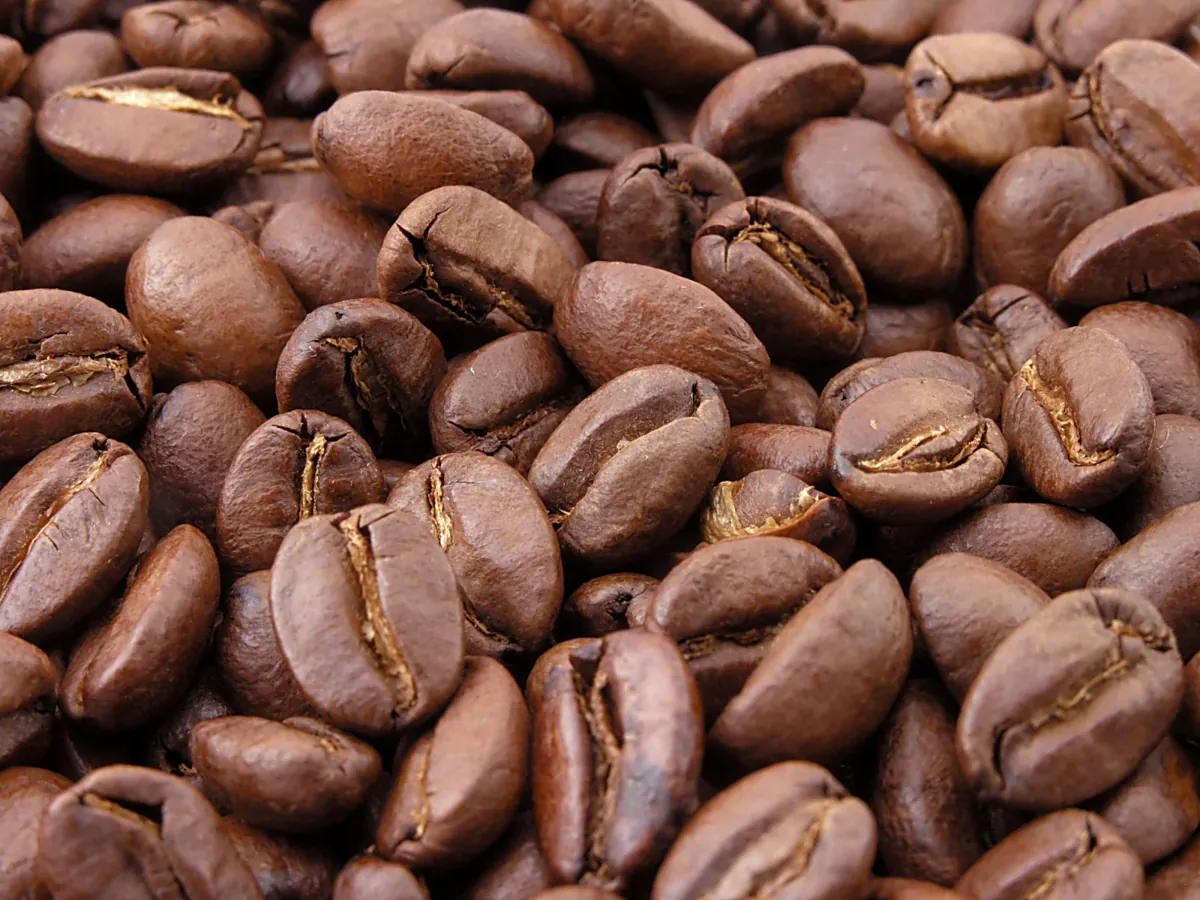
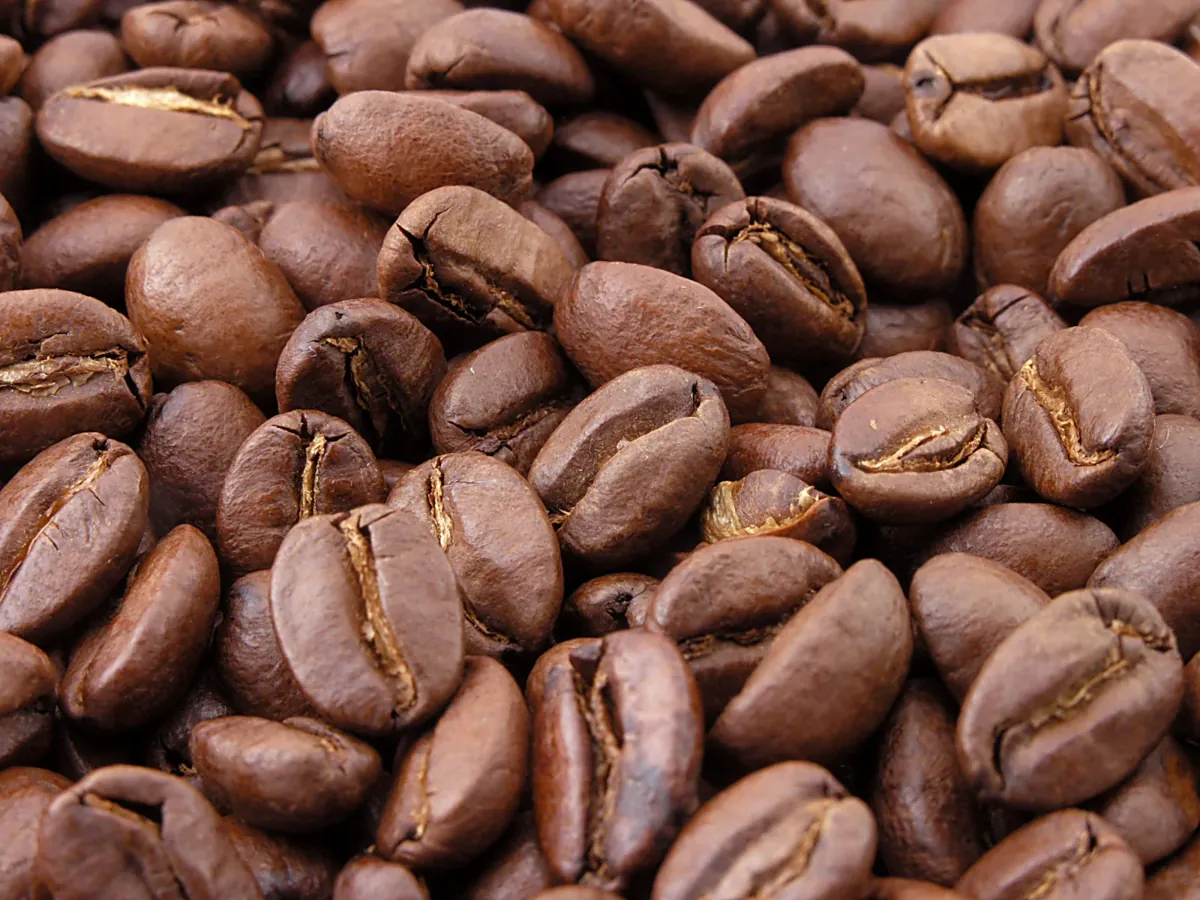
To understand extraction, we must first look at the physical composition of a coffee bean. A roasted coffee bean is a highly porous, woody cellulose structure holding a complex mixture of chemical compounds. Approximately 70% of the bean's mass consists of insoluble organic materials, primarily cellulose and structural carbohydrates, which form the physical cell walls. The remaining 30% of the bean's mass consists of water-soluble compounds, including organic acids, caffeine, simple sugars, lipids, mineral salts, and complex aromatic compounds produced during roasting.
Crucially, extracting all 30% of these soluble compounds does not produce a delicious beverage. The various soluble compounds dissolve at different rates when exposed to hot water. The highly soluble organic acids, mineral salts, and light fruit esters dissolve almost instantly. These are followed by the mid-weight sugars and complex aromatics that contribute sweetness and body. The heavy, complex carbohydrates and dry, bitter plant phenols dissolve much slower, requiring extended exposure to water. If you extract too little of the bean's mass, the coffee will taste sour, thin, and salty due to an excess of acids. If you extract too much, the coffee will taste bitter, astringent, and hollow due to the presence of heavy, unpleasant phenols. The goal of specialty brewing is to hit a sweet spot where we extract only the most desirable compounds, leaving the unpleasant ones behind.
The Big Two: TDS vs. Extraction Yield
To measure and analyze this chemical process, the coffee industry relies on two primary metrics that are often confused but describe completely different aspects of the brew.
Total Dissolved Solids (TDS): This metric represents the strength of the beverage, describing the concentration of dissolved coffee solids relative to the water in the cup. TDS is expressed as a percentage. For example, a filter coffee with a TDS of 1.30% consists of 1.30% dissolved coffee compounds and 98.70% pure water. For espresso, which is much more concentrated, the TDS typically ranges from 7.00% to 12.00%. TDS determines the tactile experience of the coffee, including its body, viscosity, and mouthfeel.
Extraction Yield (EY): This metric represents the efficiency of the brew, describing the exact percentage of the dry coffee grounds' starting mass that was dissolved and washed into the final cup. Extraction yield is also expressed as a percentage. The widely accepted sweet spot, established by the Specialty Coffee Association (SCA) after decades of sensory panel testing, is an extraction yield of 18.00% to 22.00%. If your yield is below 18.00%, the coffee is under-extracted. If it is above 22.00%, it is over-extracted.
The mathematical relationship between these two variables is absolute and can be calculated using a simple formula:
For example, if you brew a pour-over using 20.0 grams of dry coffee grounds, and obtain exactly 300.0 grams of liquid coffee in your cup with a measured TDS of 1.30%, your extraction yield is calculated as follows: (300.0 * 1.30) / 20.0 = 19.50%. This falls perfectly within the ideal 18.00% to 22.00% target range.
The Coffee Brewing Control Chart
When you plot TDS on the vertical axis and Extraction Yield on the horizontal axis, you create the Coffee Brewing Control Chart. This graphical representation allows you to map any brew and immediately determine the sensory profile and required adjustments.
| Brew Sector | TDS (Strength) | Extraction Yield (EY) | Sensory Profile | Primary Correction |
|---|---|---|---|---|
| Under-extracted / Strong | High (>1.45%) | Low (<18.00%) | Sour, salty, heavy, quick finish | Grind finer, increase water volume |
| Over-extracted / Weak | Low (<1.15%) | High (>22.00%) | Bitter, dry, hollow, papery, astringent | Grind coarser, decrease water volume |
| Under-extracted / Weak | Low (<1.15%) | Low (<18.00%) | Thin, watery, sour, metallic | Use more coffee grounds, grind finer |
| Over-extracted / Strong | High (>1.45%) | High (>22.00%) | Intensely bitter, dry, heavy, sharp | Use less coffee grounds, grind coarser |
| Ideal Cup (Golden Cup) | Balanced (1.15% - 1.45%) | Ideal (18.00% - 22.00%) | Sweet, clean, balanced acidity, complex | Maintain current parameters |
The Refractometer: How We Measure Solubles
We cannot measure TDS accurately with the naked eye or a simple hydrometer, because the differences between a weak 1.10% brew and a strong 1.40% brew are incredibly subtle. Instead, specialty coffee professionals rely on a digital refractometer. This device works by projecting a beam of light through a tiny drop of filtered coffee placed on a prism.
As light passes from the prism into the coffee, its speed and direction change, a physical phenomenon known as refraction. The angle of refraction changes in direct, linear proportion to the concentration of dissolved organic solids suspended in the water. The refractometer measures this angle and translates it into a refractive index, which is then converted by internal algorithms into an accurate TDS percentage. To ensure an accurate measurement, the coffee sample must be filtered through a syringe filter to remove any insoluble suspended particles or micro-bubbles, which would scatter the light and corrupt the reading.
The Five Physical Extraction Variables
To control your TDS and extraction yield, you must learn to manipulate the five physical variables that govern the extraction rate during brewing.
1. Grind Size: This is the most powerful variable. Grinding coffee beans increases their exposed surface area. A finer grind exposes more surface area, allowing water to dissolve soluble compounds rapidly. A coarser grind reduces surface area, slowing down the extraction rate. Additionally, in percolation methods like pour-over, a finer grind packs tighter, slowing the flow rate of water and increasing contact time, compounding the extraction effect.
2. Contact Time: The longer coffee grounds are in contact with water, the higher the extraction yield will be. In immersion methods like a French press, contact time is controlled manually by when you press the plunger. In percolation methods, contact time is controlled by grind size, paper filter thickness, and pouring technique.
3. Water Temperature: Water acts as a solvent, and its dissolving power increases with temperature. The ideal brewing temperature range is 90°C to 96°C (194°F to 205°F). Higher temperatures speed up the dissolution rate, especially for heavy, bitter compounds. Lower temperatures slow the extraction rate, which is why cold brew extracted at room temperature requires 12 to 24 hours to achieve adequate yields.
4. Agitation (Turbulence): Stirring, pouring water with force, or shaking the brewer introduces mechanical energy into the system. This energy disrupts the saturated boundary layer of water surrounding each coffee particle, encouraging fresh solvent to contact the grounds and speeding up the extraction rate.
5. Brew Ratio: The ratio of dry coffee grounds to water determines the maximum potential extraction. A common starting ratio is 60 grams of coffee per 1.0 liter of water, representing a ratio of 1:16.6. Using more water relative to coffee increases the extraction yield (each gram of coffee is exposed to more fresh solvent) but decreases the TDS (the final beverage is more diluted).
By understanding these variables as a set of chemical dials, you no longer have to guess why a batch of coffee is not tasting its best. If your pour-over is thin and sour, you know that your TDS and extraction yield are low. By grinding slightly finer, checking that your water temperature is above 90 degrees Celsius, or gently swirling the brewer during the draw-down, you can systematically guide the extraction back into the golden cup sweet spot, letting science deliver the perfect cup.
Related: The Chemistry of the Maillard Reaction in Coffee Roasting: Flavor Development in the Drum | Water Chemistry for Baristas: How Magnesium, Calcium, and Buffer Levels Determine Extraction