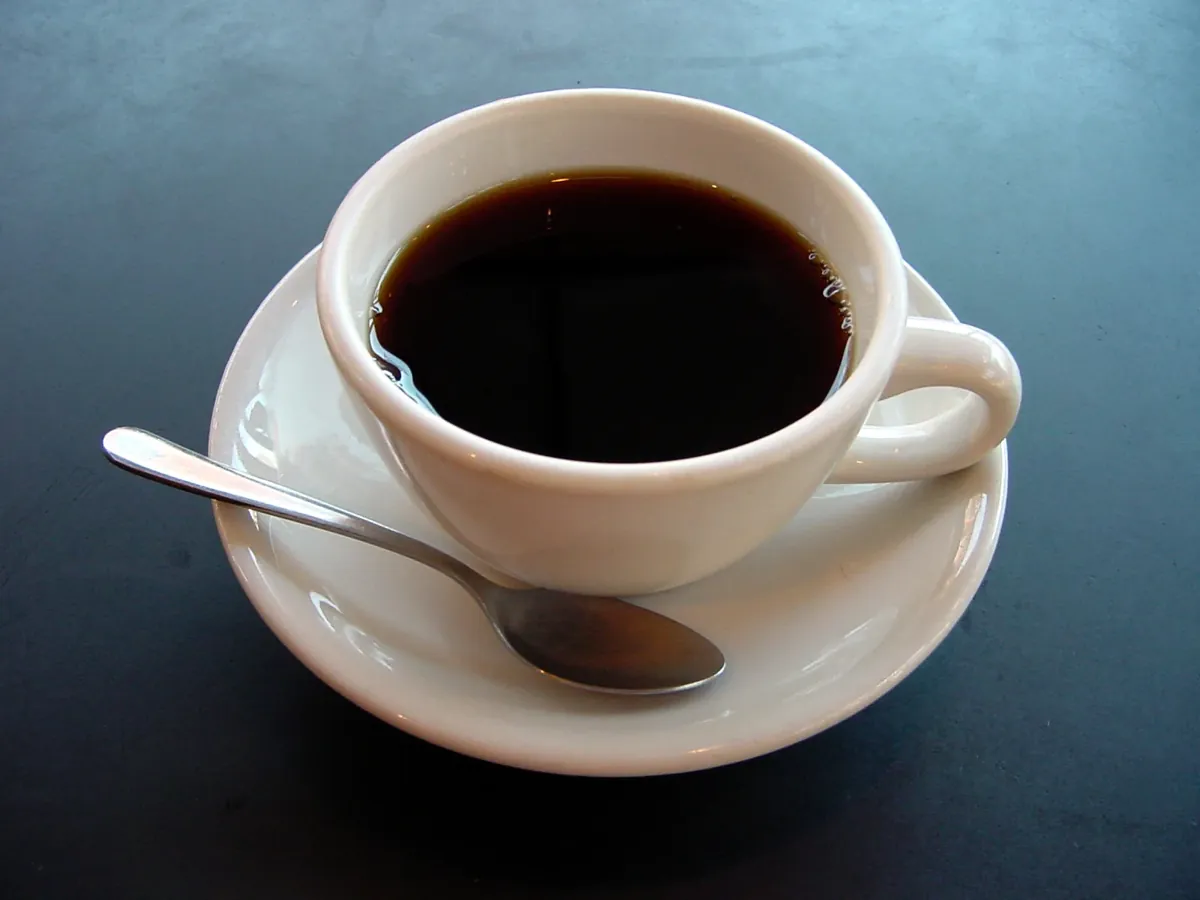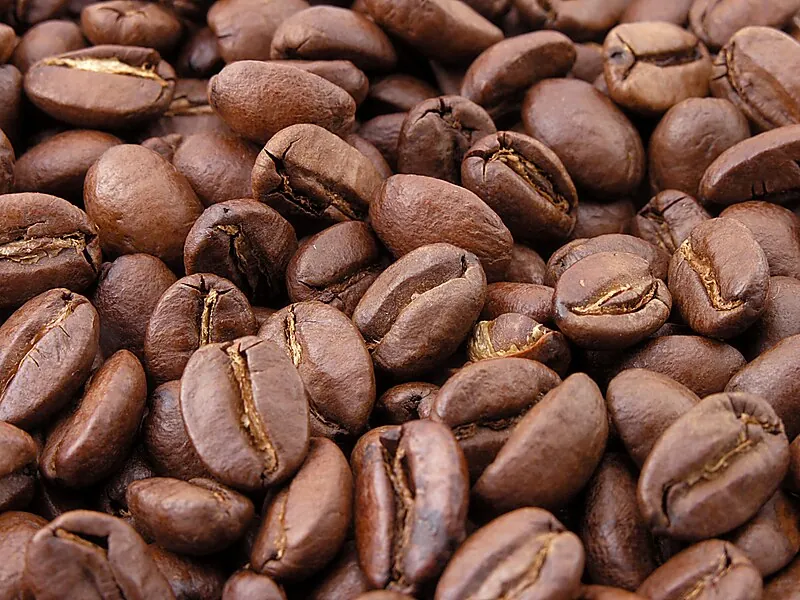
A cup of kopi luwak can cost $35–100. The coffee is produced by collecting, washing, and roasting coffee beans that have been consumed and excreted by the Asian palm civet (Paradoxurus hermaphroditus) — a small, cat-like mammal found across South and Southeast Asia. The animal selects the ripest coffee cherries, partially digests the fruit, and the beans pass through its digestive system, altered by enzymes in the process, before being collected from its faeces. The result is marketed as the world's finest coffee. The reality is considerably more complicated.
The Science: Does Digestion Actually Improve Coffee?
There is genuine science behind the flavour claim. The civet's digestive enzymes, particularly proteases, break down proteins within the coffee bean. Since proteins contribute to bitterness in brewed coffee, this protein reduction could theoretically result in a smoother, less bitter cup. Some studies have confirmed measurable chemical differences in kopi luwak beans compared to conventionally processed beans from the same origin.
However — and this is important — blind tasting studies have not consistently confirmed that kopi luwak tastes better. In multiple professional cuppings, kopi luwak scores ordinary to moderately good, not extraordinary. The specialty coffee community is largely dismissive of it as a product. The Q Grader consensus: it is interesting, not exceptional, and its price is almost entirely driven by its novelty story rather than its cup quality.
The Welfare Problem
This is the more serious issue. Wild-sourced kopi luwak — where civets roam freely, select their own cherries, and are collected from in the wild — is genuinely rare and constitutes a tiny fraction of the market. The vast majority of commercially sold kopi luwak is produced by caged civets:
- Civets are captured from the wild and kept in small wire cages
- They are force-fed large quantities of coffee cherries — far beyond natural consumption
- The caged conditions cause significant stress and stereotypic behaviours in these naturally solitary, semi-arboreal animals
- Multiple welfare investigations have documented poor conditions at kopi luwak farms, particularly in Bali, Sumatra, and Java
In 2013, following an undercover investigation, the BBC's Tony Wild — who was responsible for introducing kopi luwak to Western markets in the 1990s — publicly called for a boycott of the product, stating that the industry had become dominated by animal cruelty.
The Fraud Problem
Even if you are willing to pay for kopi luwak, there is a significant fraud problem. Studies have found that a large proportion of commercially sold "kopi luwak" contains little or no genuine civet-processed coffee. The price premium creates a strong incentive to adulterate or entirely substitute cheaper coffee with falsely labelled product. Without DNA testing or traceability documentation, there is no reliable way for a consumer to verify authenticity.
Alternatives: Other Animal-Processed Coffees
Kopi luwak spawned a category of animal-processed coffees, some of which have different (and not necessarily better) welfare and quality profiles:
- Black Ivory Coffee (Thailand): Coffee fed to and excreted by elephants. Marketed as ultra-premium ($85+ per cup). The elephant welfare claim is that these are rescued working elephants at a sanctuary — though the ethics of feeding elephants a diet high in coffee are questioned.
- Jacu Bird Coffee (Brazil): Brazilian Jacu birds eat coffee cherries; beans are collected from droppings. The birds seek out the ripest cherries naturally, providing genuine selection benefit. Far better welfare profile than caged kopi luwak.
- Bat Coffee (Malaysia): Coffee beans from cherries chewed by fruit bats — the beans fall to the ground and are collected. Interesting flavour claim; limited production.
The Bottom Line
Wild-sourced, genuinely traceable kopi luwak from a welfare-responsible producer is a legitimate (if expensive) coffee curiosity. The overwhelming majority of commercially available kopi luwak fails this test on one or more grounds: welfare, authenticity, or quality. For the price of a single cup of kopi luwak, you could buy an exceptional bag of specialty coffee from Ethiopia or Panama — and drink something more interesting for a month. The story of kopi luwak says more about human novelty-seeking and the power of origin narratives than it does about exceptional coffee.
Related: Top 10 Coffee Producing Countries | What Makes Specialty Coffee Different?