You have probably seen it: a small café with minimal décor, beans described as "natural processed Guji" with tasting notes of "blueberry, hibiscus, dark chocolate," sold for three times the price of your regular supermarket coffee. Is this pretension? Marketing? Or is something genuinely different happening? The honest answer is: both, and something real underneath. Here is what specialty coffee actually is, and why it might change how you experience your morning cup.
The Official Definition
The Specialty Coffee Association (SCA) — the global industry body — defines specialty coffee as coffee that scores 80 points or above on a 100-point cupping scale assessed by trained Q Graders (licensed professional tasters). Coffees scoring 80–84.9 are "specialty." Those scoring 85–89.9 are "excellent specialty." Anything above 90 is "outstanding" — rare, expensive, and genuinely extraordinary.
By contrast, commodity coffee — the vast majority of what is traded globally — is graded by defect count, screen size, and moisture content, not by flavour. It is priced on the New York C Market as an interchangeable bulk product. Specialty coffee is priced on its individual character.
The Supply Chain: Where the Difference Is Made
Commodity coffee supply chain: farmer → cooperative → exporter → importer → roaster → retailer. Many hands, no traceability, price pressure at every step.
Specialty coffee supply chain: farmer (or specific washing station) → direct trade importer or green buyer → specialty roaster → café. Fewer hands, direct relationships, premium prices that reach the farmer.
This is not just an ethical distinction — though it is that too. Traceability means accountability. When a roaster can say "this coffee is from Chelelektu washing station in Yirgacheffe, washed on raised beds in October, dried for 21 days," they can assess and improve quality at every step. Anonymous bulk coffee has no such mechanism.
Processing Methods: The Flavour Multiplier
One of specialty coffee's biggest contributions to flavour understanding is the attention to processing — how the coffee cherry is treated after picking:
- Washed (wet processed): The fruit is removed before drying. Produces a clean, bright cup where the bean's inherent character comes through clearly. Most Ethiopian and Central American specialty coffees.
- Natural (dry processed): The whole cherry is dried with fruit intact. The bean absorbs fruit sugars and yeasts, producing a winey, fruit-forward cup. Ethiopian Harrar, Brazilian naturals.
- Honey processed: The skin is removed but some or all of the mucilage (sticky fruit layer) remains during drying. Between washed and natural in character — sweetness with some clarity. Common in Costa Rica and El Salvador.
- Anaerobic/experimental: Fermentation in sealed tanks or with specific yeast cultures. Produces highly unusual, intense flavours. The cutting edge of specialty processing.
Roast Level: Lighter Is Not Always Better (But It Often Reveals More)
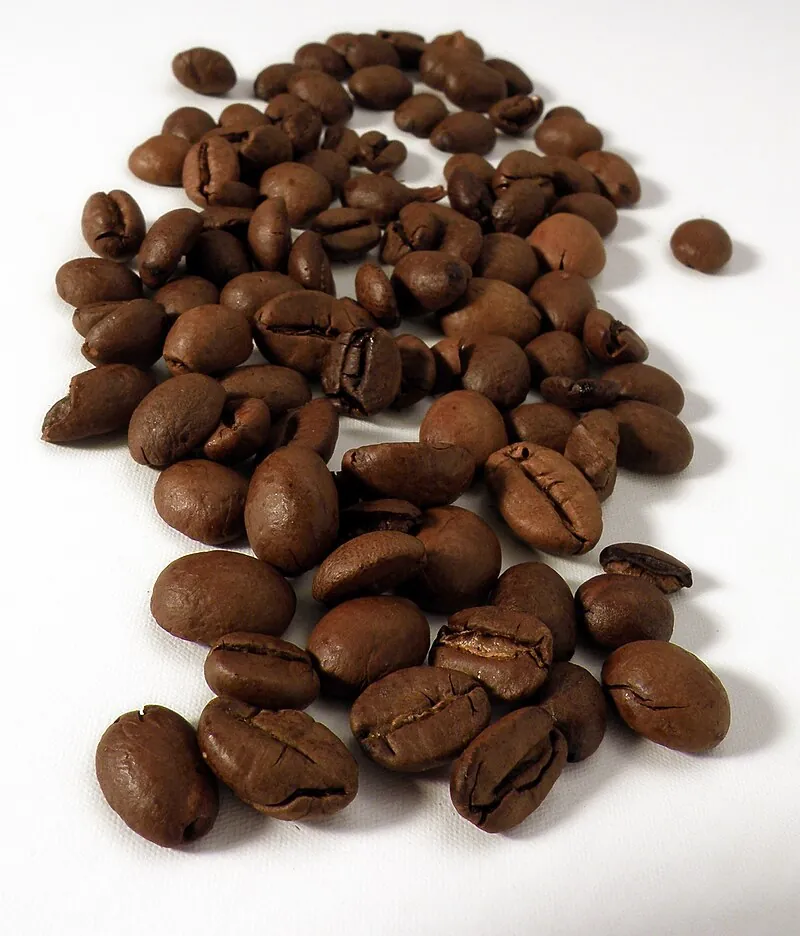
Specialty roasters generally roast lighter than commodity roasters. The reason: a light roast preserves the origin character — the terroir-driven flavours of the specific farm, variety, and processing. A dark roast burns through those nuances, replacing them with roast character (bitterness, smokiness) that is largely the same regardless of origin.
This does not mean dark roast is wrong — it has its fans and its valid applications, particularly for espresso. But if you want to taste what makes a Kenyan different from an Ethiopian, you need a roast light enough to let those differences speak.
Brewing Method Matters More Than You Think
Specialty coffee is also about extraction. Commodity coffee is often brewed in ways that mask defects — very hot, very fast, with lots of sugar and milk. Specialty coffee is typically brewed with:
- Controlled water temperature (90–96°C — not boiling)
- Precise ratio of coffee to water (typically 1:15 to 1:17 by weight)
- Freshly ground beans (within 15 minutes of brewing)
- Filtered water with appropriate mineral content
The SCA has published "water quality guidelines" for brewing — a detail that tells you something about the level of obsession involved.
Is It Worth It?
A bag of specialty coffee costs more — typically $18–$35 for 250g versus $5–12 for commodity. The premium buys you: better flavour, more ethical supply chains (farmers typically receive 2–4× the commodity price), and the genuine pleasure of tasting something specific and unrepeatable. For daily drinking, a single-origin specialty bag brewed at home is actually cost-competitive with daily café visits.
The entry point is simpler than it looks: buy a bag from a local specialty roaster, use a basic pour-over or French press, and taste without milk for the first cup. Something will happen that instant or supermarket coffee cannot quite replicate.
Related: The History of the Coffee House | How to Cup Coffee Like a Professional