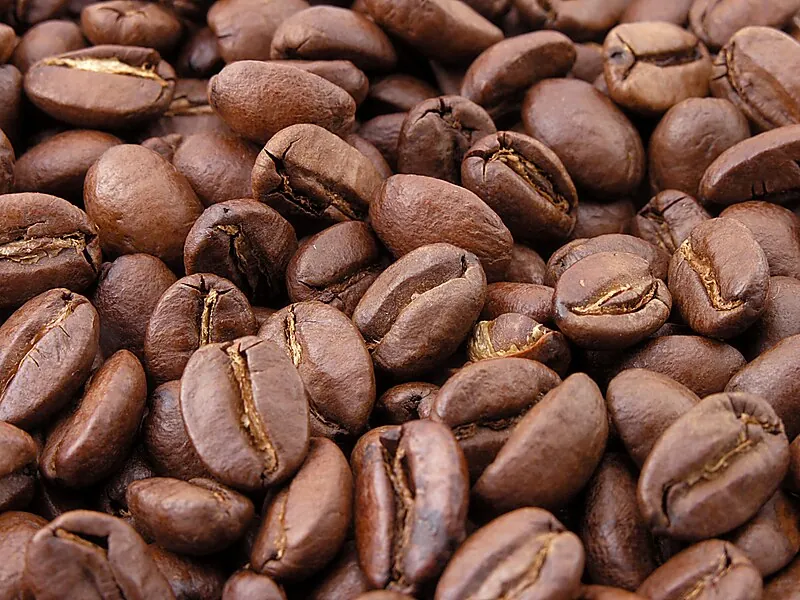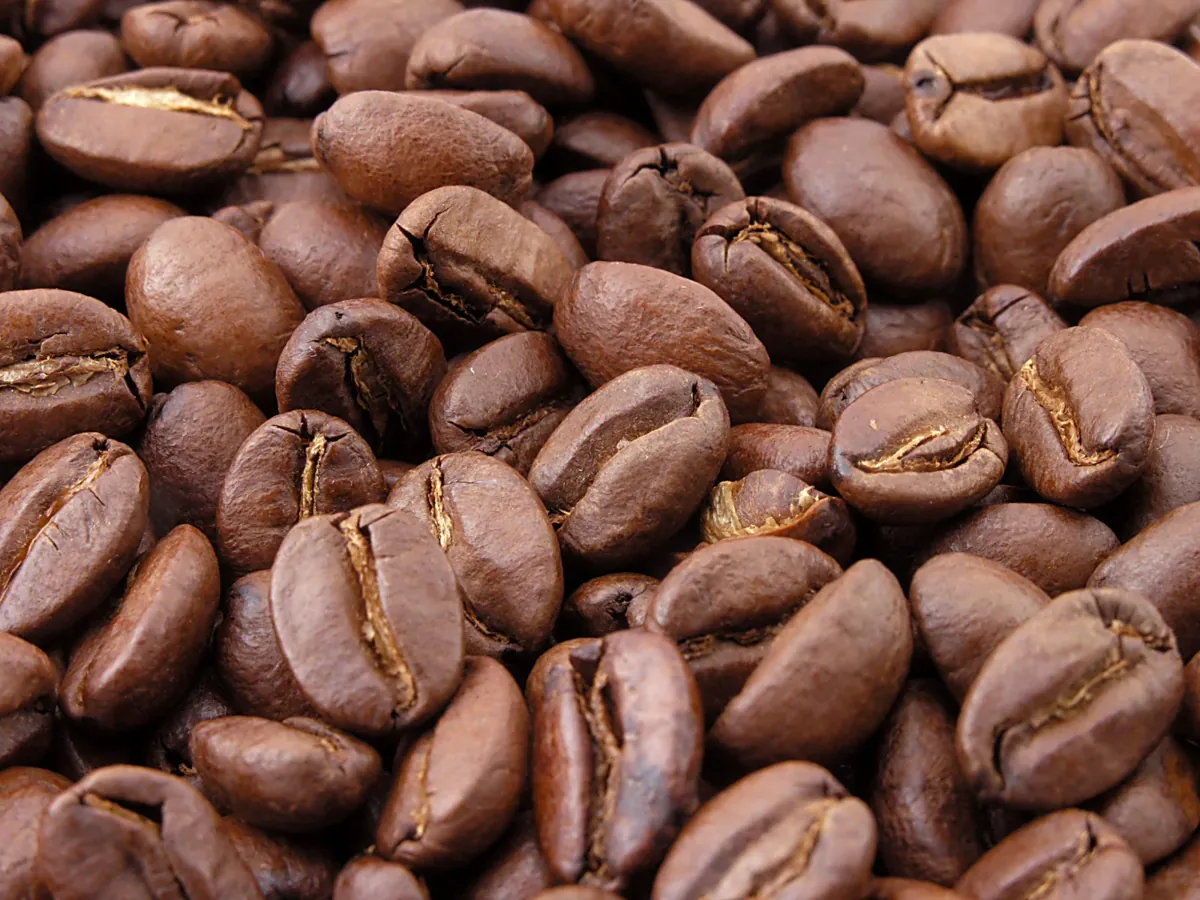
Somewhere in the global coffee market, a kilogram of coffee beans is being sold for between 100 and 600 US dollars. The beans are ordinary in their origin, arabica or robusta grown on the islands of Sumatra, Java, Bali, or the Philippines. Their distinction is not in their terroir, their variety, or their roast. It is in their method of processing: they have passed through the digestive system of an Asian palm civet (Paradoxurus hermaphroditus), a small nocturnal mammal native to South and Southeast Asia. The coffee produced from these beans is called kopi luwak. It is among the most expensive retail coffee products in the world, and it is also among the most ethically troubled, sitting at the intersection of legitimate food science curiosity and a supply chain that animal welfare organisations have repeatedly documented as cruel, fraudulent, or both.
The Origin Story: Wild Civets and Colonial Prohibition
The origin of kopi luwak is typically traced to the colonial Dutch East Indies, the territory that became Indonesia. Under Dutch colonial rule in the eighteenth and nineteenth centuries, the Cultuurstelsel (cultivation system) forced Indonesian farmers to grow and harvest coffee for colonial export while prohibiting them from consuming the coffee they produced. The story holds that farmers discovered that the Asian palm civet, which fed on ripe coffee cherries at night, produced partially digested beans in its feces that could be collected, cleaned, roasted, and brewed. Since collecting what the civet left behind did not technically involve harvesting the colonial crop, it provided a way to obtain coffee outside the restrictions.
Whether this account is historically precise or partly mythologised is difficult to confirm, but the practice of collecting and processing civet-processed coffee certainly existed in Sumatra and Java by the nineteenth century. The Dutch colonial term "kopi" is simply the Malay and Indonesian word for coffee; "luwak" is the local name for the civet.
The Claimed Flavour: What the Digestive Process Does to Coffee
The theoretical basis for kopi luwak's distinctive flavour lies in the digestive process. When a civet eats a coffee cherry, the outer fruit (the pulp) is digested, but the coffee seed, the bean, passes through the gastrointestinal tract intact and is excreted. During the approximately 24 to 36 hours the bean spends in the civet's digestive system, it is exposed to proteolytic enzymes, gastric acid, and microbial activity. These processes have measurable chemical effects on the bean.
A 2013 study published in the journal Food Research International by Marcone et al. analysed the composition of kopi luwak beans compared to unprocessed beans of identical origin and found that civet processing reduced protein content (specifically breaking down certain proteins associated with bitterness), lowered concentrations of certain acids, and altered the carbohydrate profile. The result, in theory, is a coffee with reduced bitterness, a smoother body, and a distinctive earthy, musty, or chocolatey character that some drinkers find appealing.
In practice, blind taste tests have not consistently supported kopi luwak's claimed superiority. A 2016 experiment conducted by food writer and coffee researcher Tony Wild, who was himself responsible for introducing kopi luwak to the Western market in the early 1990s when he worked for Taylors of Harrogate, found that trained tasters preferred standard high-quality arabica coffees over kopi luwak when tasting blind. Wild has subsequently become one of the most prominent critics of kopi luwak, calling publicly for a boycott on ethical grounds. The flavour claims, he argues, depend substantially on novelty and price expectation rather than objective cup quality, and the premium price serves primarily to justify the story, not the liquid in the cup.
The Animal Welfare Crisis in Kopi Luwak Production
This is the central and most serious problem with kopi luwak: the overwhelming majority of it is not produced from wild civets roaming freely through coffee farms and processing their meals naturally. It is produced from civets kept in small cages on factory-style farms, force-fed coffee cherries at volumes far beyond what they would consume in the wild, and held in conditions that animal welfare researchers have described as severely stressful for a naturally solitary, nocturnal, wide-ranging animal.
A 2012 investigation by the BBC and a 2013 undercover investigation by PETA documented civet farms in Sumatra, Bali, and the Philippines where animals were kept in cages as small as 0.5 square metres, unable to perform natural behaviours including climbing, marking territory, or engaging in normal social avoidance. Many animals showed stereotypic behaviors including repetitive pacing and self-mutilation, recognised indicators of severe psychological stress in captive animals. Civets were fed exclusively coffee cherries rather than their naturally omnivorous diet of fruits, insects, and small vertebrates, and multiple animals showed signs of malnutrition despite being visibly overweight from excessive cherry consumption.
The CITES (Convention on International Trade in Endangered Species) listing of the Asian palm civet does not prohibit its commercial farming in range countries, which limits regulatory intervention. Indonesia's government has enacted some welfare standards for civet farms, but enforcement is inconsistent and the certification infrastructure does not reliably distinguish wild-harvested from caged-production beans. A 2018 investigation by the animal welfare organisation Four Paws found that the majority of kopi luwak sold in tourist markets in Bali, including products explicitly labelled "wild," came from caged-production farms.
Can Genuine Wild Kopi Luwak Be Verified?
Authentic wild-collected kopi luwak, from free-ranging civets on traditional Indonesian coffee farms, is produced in very small quantities. Wild civets are not captive; they forage at night and deposit beans unpredictably across large areas. The collection is labour-intensive, the volumes are limited, and there is no systematic way to compel wild animals to consume only specific coffee varieties. Genuine wild-production kopi luwak from reputable producers exists but is rare, expensive even by kopi luwak standards, and difficult to verify in the retail supply chain.
The demand created by the global price premium has incentivised widespread fraud in addition to the welfare problems of caged farming. Studies of kopi luwak sold in international markets have found significant adulteration with regular coffee, sometimes mixed at ratios that make the "kopi luwak" designation misleading at best and fraudulent at worst. The absence of a reliable third-party certification system for genuine wild production means that a consumer buying kopi luwak at a gift shop, a tourist market, or an online retailer has essentially no way to verify the production conditions or the authenticity of the product.
Other Controversial Luxury Coffees
Kopi luwak is not alone in the category of animal-processed or extreme-novelty coffees. Several others occupy similar terrain.
Black Ivory Coffee, produced in northern Thailand, uses Asian elephants rather than civets as the processing agent. Green coffee beans are mixed into the food of rescue elephants at the Golden Triangle Asian Elephant Foundation, and the resulting beans are collected from the elephants' dung after approximately 15 to 70 hours of digestion. The elephants' longer digestive tract and herbivorous biology break down proteins and acids differently than civet digestion. Black Ivory claims scientific support for its flavour profile from a 2017 analysis conducted at a Thai university. It sells for approximately $1,500 per kilogram, making it the world's most expensive coffee by retail price. Importantly, the Foundation argues that its elephants are rescue animals already in sanctuary care, that they consume the coffee as part of a normal varied diet rather than being force-fed, and that profits fund elephant welfare. These welfare conditions, if maintained as described, represent a meaningful distinction from the mass caged-civet production model.
Jacu Bird Coffee, produced in Brazil primarily at the Camocim Estate in Espírito Santo, uses the jacu bird (Penelope obscura), a native Brazilian bird that selectively eats the ripest coffee cherries. The beans are collected from the birds' droppings in the same manner as kopi luwak. The jacu is a wild, free-ranging bird; the production is genuinely wild-harvested and in small quantities. Price is approximately $200 to $400 per kilogram. The Camocim Estate operates under biodynamic principles, and the bird-processed coffee is positioned as a sustainable side-product of farming that accommodates a natural wildlife behaviour rather than exploiting captive animals.
Bat coffee, produced in limited quantities in Mindanao in the Philippines, involves coffee cherries partially consumed by the Philippine forest bat (Rousettus amplexicaudatus). Collection is from wild bats in a cave environment. Production is very small scale and the coffee is not widely distributed.
Should You Buy It?
For kopi luwak specifically, the evidence is difficult to dismiss: the majority of commercially available kopi luwak is produced under conditions that animal welfare science consistently characterises as harmful to the animals involved. The flavour advantage over comparable high-quality arabica coffees is not reliably demonstrated in controlled tests. The price premium is based largely on novelty and marketing rather than verifiable cup quality. Tony Wild's conclusion, that the kopi luwak trade has become primarily a welfare problem dressed in luxury marketing, is supported by the weight of independent investigation over the past decade.
For specialty coffee drinkers seeking distinctive and genuinely exceptional cups, a better-spent equivalent sum would be a natural-process Ethiopian Yirgacheffe or Panamanian Geisha from a traceable specialty producer, coffees whose extraordinary flavour characteristics are genuine, whose production conditions are documented, and whose premium price benefits the farmers rather than civet cage operators. The story is less memorable at a dinner table. The coffee, by most evidence, is better.
Related: Fair Trade vs Direct Trade Coffee: What the Labels Actually Mean | Coffee Certifications Explained: Rainforest Alliance, Organic, Bird-Friendly