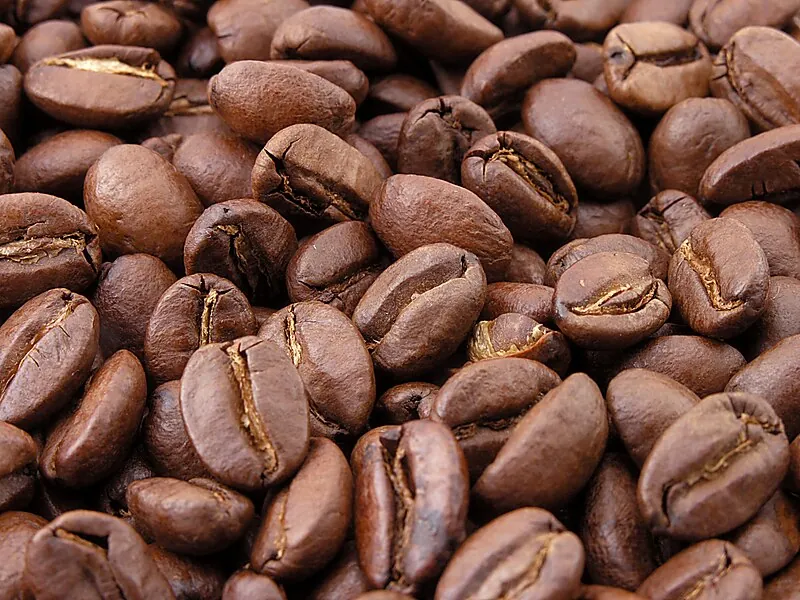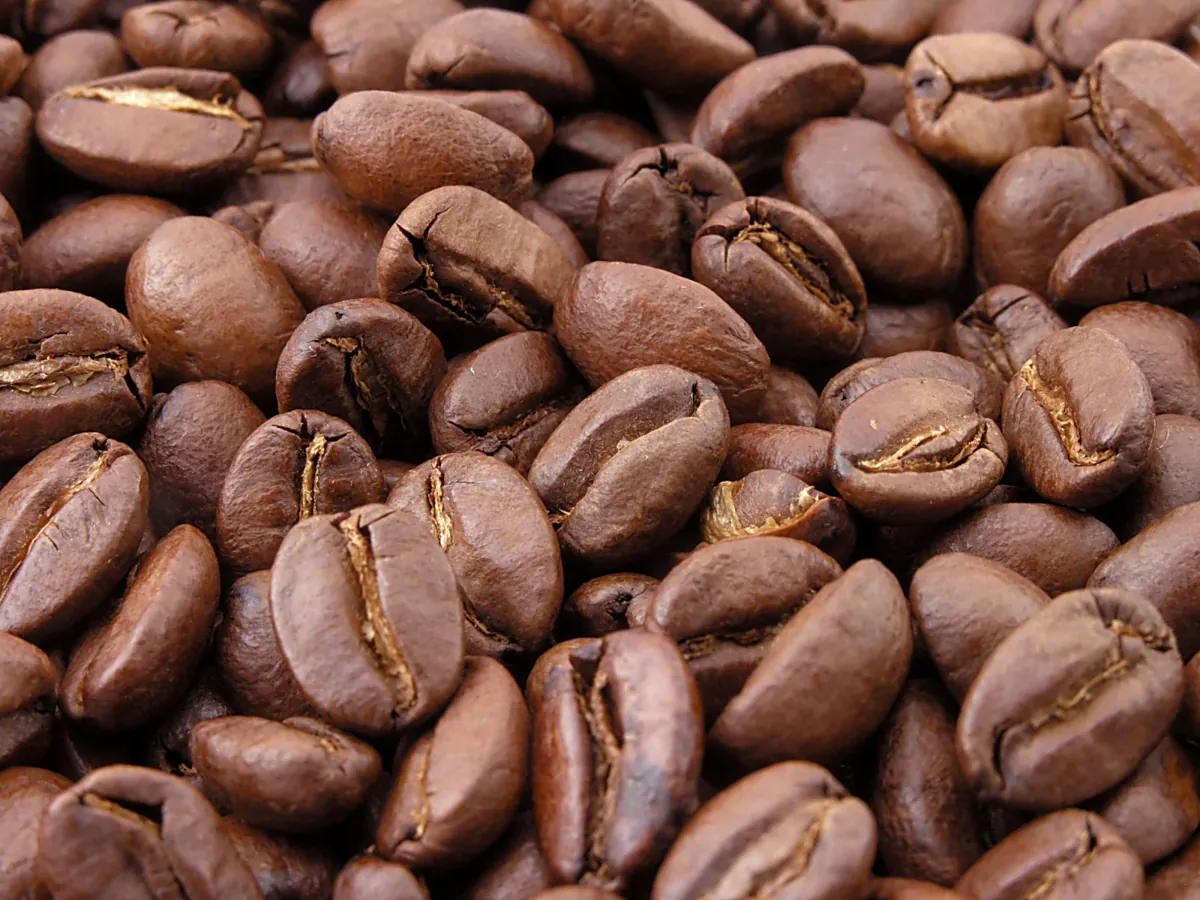
In the 1980s, Ivory Coast (Côte d'Ivoire) was producing approximately 300,000 tonnes of coffee per year — the third or fourth largest production in the world, behind Brazil, Colombia, and occasionally Indonesia. Today, production has fallen to roughly 100,000–120,000 tonnes. The country did not experience a war that destroyed its coffee sector (though it experienced significant political instability), nor a disease that wiped out its crop. It made a rational agricultural choice: cocoa was more profitable. The story of Ivorian coffee is one of the most instructive case studies in how global commodity markets shape agricultural landscapes — and why the future of coffee in West Africa may be more interesting than its recent past.
The Geography: Why Ivory Coast Grows Coffee at All
Ivory Coast sits on the Gulf of Guinea between Ghana and Liberia, straddling the Equator at latitudes of approximately 5–10°N. This places much of its territory within the zone where Coffea canephora (robusta) thrives — the lower-altitude, higher-temperature, high-humidity equatorial zone where arabica cannot compete but where robusta's greater heat tolerance and disease resistance allow productive cultivation.
Coffee is grown primarily in the western and central-western regions of the country — the departments of Man, Daloa, Gagnoa, San-Pédro, and the surrounding areas — where altitude ranges from 200–600m (too low for quality arabica) and annual rainfall is 1,200–1,800mm. The same climate and soil conditions that make this region ideal for cacao production make it suitable for robusta coffee — and the two crops have historically competed for the same land and the same farmer labour.
The Coffee: Almost All Robusta
Approximately 95% of Ivory Coast's coffee production is Coffea canephora (robusta), with a very small quantity of arabica grown experimentally in the higher-altitude areas around Man in the northwest. The robusta produced is used almost entirely for:
- Italian espresso blends: Robusta's higher caffeine content, lower price, and cream-producing properties (robusta produces denser crema in espresso than arabica) made Ivorian robusta a standard component in traditional Italian blends — contributing body and caffeine at lower cost than arabica
- Instant coffee manufacturing: Robusta's higher solids yield makes it economically preferred for instant coffee production; Ivorian robusta enters the global supply chains of brands like Nescafé and store-brand instant coffees
- Domestic consumption: West African coffee culture, while not as elaborate as East African traditions, has its own relationship with Nescafé-style instant coffee and strong local blends
The flavour profile of well-processed Ivorian robusta: full body, low acidity, earthy and woody notes, pronounced bitterness, high caffeine (robusta has approximately twice the caffeine of arabica). At its best — from clean, well-fermented wet-processed lots — Ivorian robusta has a chocolatey, slightly nutty quality that makes it a legitimate and functional component in blends. At its worst — poorly processed, mixed varieties, inadequate fermentation — it produces the harsh, rubbery flavour that has given robusta coffee its general reputation problem.
The Cocoa Competition: Why Coffee Lost
Ivory Coast is the world's largest cocoa producer — responsible for approximately 40–45% of global cocoa production. The country's success in cocoa is the direct explanation for its decline in coffee: when a farmer has land suitable for both crops and the international cocoa price consistently pays better returns than the international coffee price (as it has during most of the past 30 years), the rational choice is to plant cacao trees.
The economics of the 1980s–1990s were decisive: the cocoa price boom of the early 1980s, combined with the international coffee price crash of 1989 (when the International Coffee Agreement quotas collapsed, flooding the market with cheap beans), made the switch from coffee to cocoa rationally overwhelming. Millions of coffee trees were felled and replaced with cacao trees — a decision that would have taken at least 5 years of cacao tree maturation to begin generating returns, demonstrating the long-term commitment involved.
The structural consequence persists today: much of the former coffee-producing land is now under permanent cacao cultivation, and reversing the crop mix would require both sustained high coffee prices and the political will to support coffee farmers through the multi-year transition period.
The Specialty Coffee Opportunity: A Revival in Progress
Despite the overall decline in production volume, a small but significant specialty movement has emerged in Ivory Coast in the past decade, with two distinct directions:
Fine Robusta
The specialty coffee world has been gradually reconsidering its blanket dismissal of robusta. The Specialty Coffee Association's new Fine Robusta Standards (developed 2018–2020) created a scoring system for exceptional robusta that acknowledges quality variation within the species rather than treating all robusta as commodity. Several Ivorian producers — working with proper fermentation, careful drying, and wet processing — have been producing robusta lots that score 80+ on the Fine Robusta scale, qualifying as specialty-grade and commanding premium prices.
The argument for Fine Robusta from Ivory Coast: lower caffeine sensitivity can make it more accessible for afternoon drinking; the chocolatey earthiness at its best is a legitimate flavour profile; at lower price points it brings quality to markets where arabica specialty pricing is prohibitive.
Arabica Experiments in the West
The Man region in the northwest of Ivory Coast reaches altitudes of 800–1,200m — within the lower range of arabica-suitable conditions. Research institutions and development organisations have been working with farmers to introduce and evaluate arabica varietals, with some early promising results. The cup quality does not approach the top levels of Ethiopia or Kenya (the altitude and temperatures are not ideal), but clean, accessible arabica from Ivory Coast has been appearing at specialty importers since around 2018–2020 as an origin curiosity.
The Broader West African Coffee Context
Ivory Coast's story is representative of West African coffee more broadly. Guinea produces both arabica (in the Fouta Djalon highlands) and robusta; Cameroon produces robusta in the south and arabica in the Bamenda highlands that have been showing genuine specialty quality in recent years; Togo and Benin have small production. None of these origins has yet achieved the specialty recognition of East Africa, but the trajectory of the broader African specialty movement — driven by direct trade, quality infrastructure investment, and Cup of Excellence expansion — suggests that West Africa may be the next frontier for origin discovery in specialty coffee.
Related: Coffee in Africa Beyond Ethiopia: Rwanda, Uganda, Burundi | Tanzania Coffee: The Underestimated Neighbour