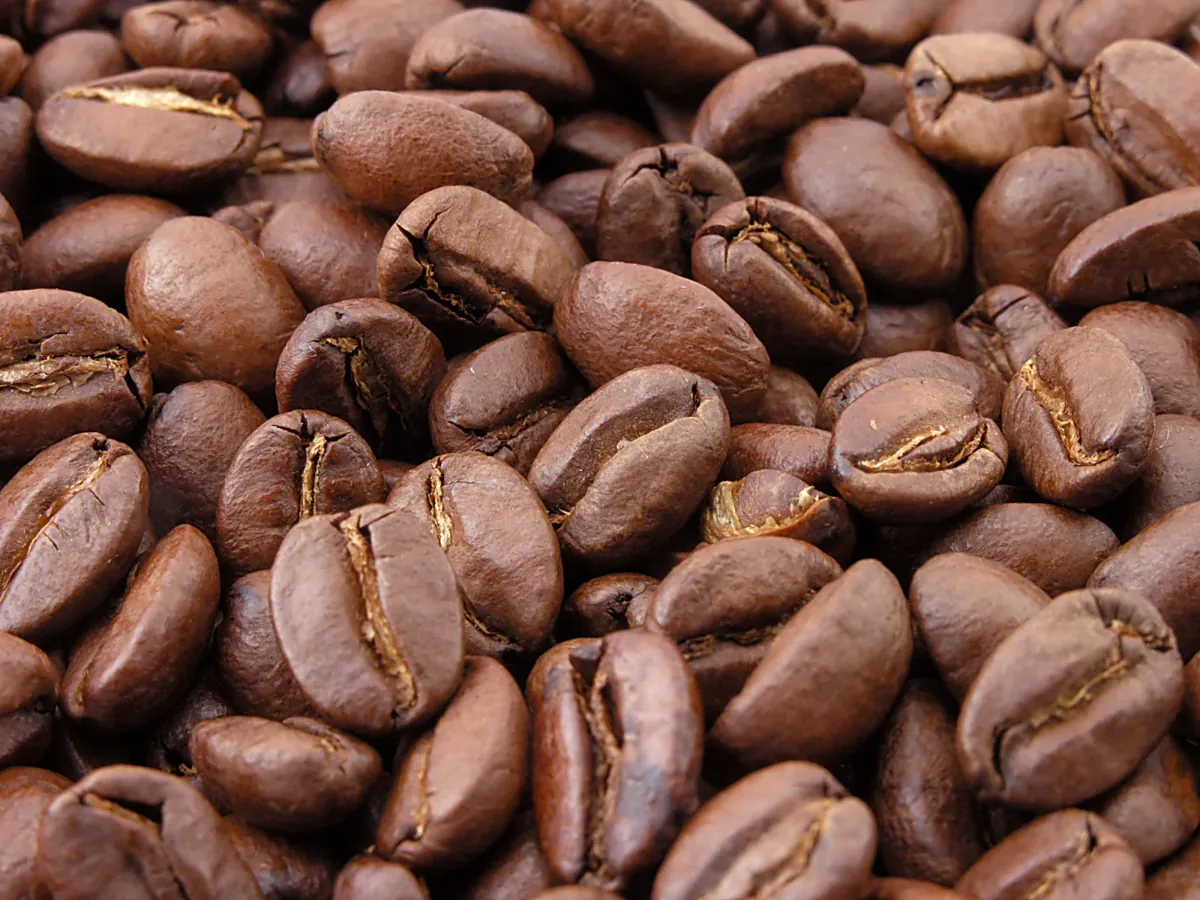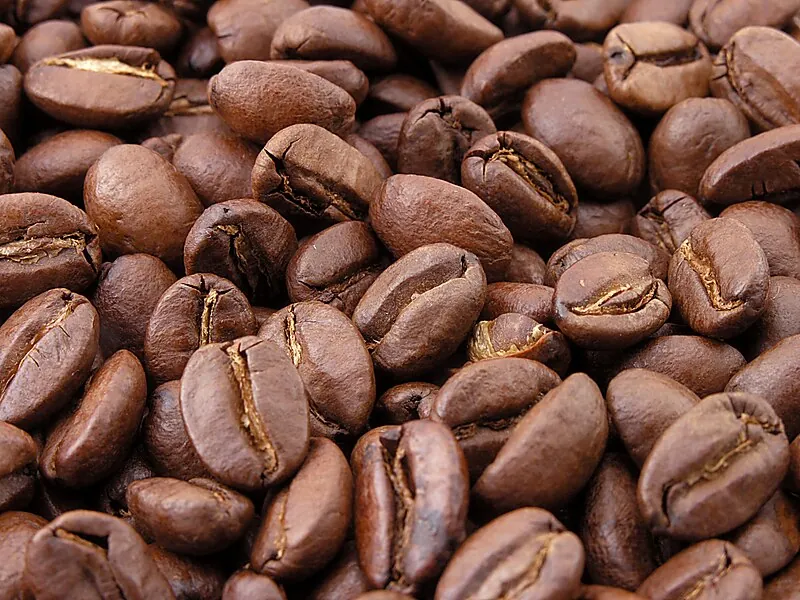
The distinction between arabica and robusta coffee is often presented in coffee writing as a simple quality gradient: arabica is better, robusta is inferior, and the presence of robusta in a blend is something that reputable roasters reluctantly admit to and budget producers hide. This framing has a functional basis but misses most of the actual science. Coffea arabica and Coffea canephora (the species from which robusta is the dominant commercial cultivar) are genetically distinct species with different chromosome counts, different metabolic profiles, different geographic origins, and different responses to growing conditions. Their flavour differences are not merely the result of one being "higher quality" than the other. They are the result of profoundly different biochemistry, expressed through different concentrations of caffeine, chlorogenic acids, lipids, sugars, and volatile aromatic compounds. Understanding this chemistry explains not just why the two taste different, but why a skilled Italian roaster would not make an espresso without robusta, and why the finest single-origin specialty coffees are almost exclusively arabica.
Taxonomy and Genetics: Two Different Species
Coffea arabica is an allotetraploid: it has four sets of chromosomes (2n = 4x = 44), the result of a polyploidisation event in which two other Coffea species, Coffea eugenioides and Coffea canephora, hybridised and underwent chromosome doubling approximately 10,000 to 20,000 years ago in the highlands of what is now Ethiopia and South Sudan. Coffea canephora, the species that includes robusta, is a diploid: it has two sets of chromosomes (2n = 2x = 22).
This genetic difference has practical consequences. Arabica's allotetraploid genome is less genetically diverse than canephora's, because it derives from a relatively recent polyploidisation event in a constrained population. Arabica plants are consequently more genetically uniform, more susceptible to disease, and more sensitive to environmental conditions than robusta. Arabica is primarily self-pollinating, which reinforces genetic stability within cultivars but limits adaptive diversity. Robusta is largely cross-pollinating, which generates more genetic variation within populations and contributes to its greater resilience.
The genetic distinction also partially explains why arabica requires higher elevations (typically 600 to 2,200 metres above sea level) and a narrow temperature range (15 to 24 degrees Celsius) to thrive, while robusta grows at lower elevations (sea level to 800 metres) and tolerates temperatures up to 30 degrees Celsius and higher rainfall levels. In the context of climate change projections that forecast temperature increases in traditional arabica-growing regions, this environmental sensitivity difference has significant commercial implications for the next fifty years.
Caffeine Content: The Most Studied Difference
Caffeine, 1,3,7-trimethylxanthine, is synthesised in coffee plants from xanthosine through a series of enzyme-catalysed methylation steps. The caffeine content of green (unroasted) coffee beans is genetically determined and species-specific. Coffea arabica contains approximately 0.9 to 1.7 percent caffeine by dry weight of green bean, with most commercial arabica varieties in the range of 1.2 to 1.5 percent. Coffea canephora (robusta) contains approximately 1.6 to 2.7 percent caffeine by dry weight, with most commercial robusta in the range of 2.0 to 2.5 percent. This means a robusta bean contains approximately 1.5 to 2.0 times more caffeine than an arabica bean of similar size.
Caffeine in the coffee plant functions as a natural insecticide and allelopathic compound: it deters insects from damaging seeds and inhibits the germination of competing plants in the soil beneath the coffee tree. The higher caffeine content of robusta is one of the reasons it is more resistant to coffee leaf rust (Hemileia vastatrix), coffee berry borer beetle (Hypothenemus hampei), and other major coffee pests than arabica. The insect-deterrent function of caffeine is directly proportional to concentration.
For the consumer, the practical caffeine difference between arabica and robusta espresso is significant. A single-origin arabica espresso using 7 grams of ground coffee might deliver approximately 60 to 70mg of caffeine. The same volume from a high-robusta commercial blend might deliver 80 to 90mg. Italian commercial espresso blends, which historically used 20 to 40 percent robusta, deliver higher caffeine per shot than single-origin arabica specialty espresso, contrary to a popular assumption that darker, stronger-tasting coffee contains more caffeine. Roast level has a minor effect on caffeine content per bean (dark-roasted beans lose negligible caffeine to volatilisation) but affects per-gram caffeine content because roasting causes beans to lose mass as water and carbon dioxide, slightly concentrating the caffeine. The dominant variable is the arabica/robusta ratio, not the roast.
Chlorogenic Acid Content
Chlorogenic acids (CGAs) are the primary phenolic compounds in coffee and contribute significantly to both flavour and biological activity. Robusta contains substantially more chlorogenic acids than arabica: typical ranges are 6 to 12 percent of dry green bean weight for robusta versus 4 to 9 percent for arabica. The primary CGA in both species is 5-caffeoylquinic acid (5-CQA), but robusta also contains higher levels of 3,5-dicaffeoylquinic acid, a di-caffeoylquinic acid not found in comparable concentrations in arabica.
Chlorogenic acids are astringent and contribute to the characteristic sharpness and slightly harsh bite of robusta espresso. During roasting, CGAs undergo complex degradation reactions that generate a range of aromatic compounds, some desirable and some not. The higher CGA content of robusta means its roasting chemistry differs from arabica's, requiring different temperature-time profiles for optimal results. It also means that over-roasted robusta tends to produce more acrid, rubbery, or tarry off-flavours than equivalently over-roasted arabica.
Lipid Content and Crema Formation
Coffee lipids, particularly coffee oil (a complex mixture of triglycerides, diterpene esters, and sterols including cafestol and kahweol), are responsible for body, mouthfeel, and the formation of crema in espresso. Arabica contains substantially more lipids than robusta: green arabica beans contain approximately 15 to 17 percent lipids by dry weight, while robusta contains approximately 10 to 11.5 percent. Arabica also contains higher levels of cafestol and kahweol, two diterpenes associated with cholesterol-raising effects when unfiltered coffee is consumed in large quantities (the relevant pathway is blocked by paper filters, which absorb these compounds).
Paradoxically, despite arabica's higher lipid content, robusta produces more crema in espresso. Crema formation depends on the emulsification of coffee oils in pressurised hot water combined with the dissolved carbon dioxide released during extraction. Robusta's higher concentration of certain solids and emulsifying compounds, along with its typically coarser cell structure, produces a denser, more persistent crema than arabica alone. This is the primary reason that Italian espresso roasters blend robusta into their formulas: not for its flavour contribution per se, but for the thick, reddish-brown crema that signals visual quality to the Italian consumer and indicates that the extraction has extracted the correct compounds. A straight arabica espresso typically produces a thinner, less persistent crema. Neapolitan espresso bars, where crema thickness is taken seriously as a quality indicator, rely on robusta for this functional characteristic.
Flavour Chemistry: Sucrose, Volatile Aromatics, and the Roasting Transformation
Green arabica beans contain approximately 6 to 9 percent sucrose by dry weight. Green robusta contains approximately 3 to 7 percent sucrose, often at the lower end of this range. Sucrose is critically important to coffee flavour because it is the primary substrate for the Maillard reaction and caramelisation processes that generate coffee's characteristic flavour complexity during roasting. The Maillard reaction, which occurs between reducing sugars and amino acids at elevated temperatures, produces hundreds of distinct volatile aromatic compounds including pyrazines, furans, and thiophenes that define the roasted coffee aroma profile.
Higher sucrose content in arabica translates, during roasting, to greater generation of pleasant aromatic compounds and more balanced sweetness in the cup. Lower sucrose in robusta, combined with its higher CGA content, means that robusta's roasting chemistry generates relatively fewer of the sweet, complex aromatics and relatively more of the harsher, woody, and rubbery compounds. This is expressed in the cup as reduced aromatic complexity, lower sweetness, greater bitterness, and the characteristic "rubber" or "earthy" note that critics of robusta coffee identify.
The volatile aromatic profile of brewed arabica contains roughly 850 identified compounds. Gas chromatography-mass spectrometry studies of robusta show a similar number of identifiable volatiles but different relative concentrations, with robusta characteristically showing higher levels of compounds associated with earthy, woody, and cereal-like notes and lower levels of compounds associated with floral, fruity, and sweet-acidic notes.
Growing Regions: Where the Two Species Are Produced
Arabica originated in the highlands of Ethiopia and South Sudan and is now grown predominantly in the "coffee belt" between the Tropics of Cancer and Capricorn, at altitudes above 600 metres. The major arabica-producing countries are Brazil (approximately 35 to 40 percent of world arabica production), Colombia (approximately 10 to 12 percent), Ethiopia (approximately 7 to 9 percent), Honduras, Guatemala, Peru, Mexico, and India. Brazil produces arabica across an unusually wide range of altitudes, including lower elevations where cup quality is adequate for commercial blending but not typically competitive at specialty level.
Robusta originated in the lowland forests of Central and West Africa, centering on the Congo Basin, and is now grown predominantly in Vietnam (the world's largest robusta producer, supplying approximately 40 percent of global robusta), Uganda (the largest African robusta producer), Indonesia (particularly in Sumatra, where robusta and some mixed-species cultivation occur), Ivory Coast, and India. The Philippines, Brazil, and Cambodia also produce significant robusta volumes.
Vietnam's dominance of the robusta market is a relatively recent phenomenon. Coffee arrived in Vietnam with French colonisers in 1857. The industry grew slowly through the colonial and post-independence periods, then expanded dramatically from the 1980s onward under the Doi Moi economic reforms. By the early 2000s, Vietnam had become the world's second-largest coffee producer overall and the world's largest robusta producer, primarily through expansion of large-scale robusta cultivation in the Central Highlands regions of Gia Lai, Dak Lak, and Dak Nong. The rapid expansion was accompanied by environmental concerns including deforestation and intensive water use, and the coffee's position as a commodity-grade robusta destined primarily for instant coffee production reflects its market positioning rather than its potential quality.
Canephora Quality: The Case for Reconsidering Robusta
A small but growing number of specialty coffee producers and researchers are challenging the blanket dismissal of robusta. The argument is that the quality problems historically associated with robusta reflect not the species' inherent character but the conditions under which commodity robusta has been grown, processed, and marketed: low-altitude cultivation for maximum yield, negligent post-harvest processing, early harvesting, and blending of defective beans without sorting. When robusta is grown at higher elevations (some robusta is cultivated up to 1,200 metres in Uganda and the Democratic Republic of Congo), harvested ripe, wet-processed to remove fruit pulp before fermentation, and cupped carefully, it can achieve flavour profiles that are distinctive and genuinely appealing, if very different from arabica.
The Specialty Coffee Association (SCA) has developed a cupping protocol for canephora that mirrors its arabica specialty grading framework, providing a systematic evaluation tool for high-quality robusta. Producers in Uganda, the Philippines, and Vietnam are beginning to produce small quantities of specialty-grade robusta. These coffees are unlikely to displace arabica in specialty cafés, but they may eventually shift the automatic quality hierarchy in ways that make the category more interesting and more honest.
Related: Coffee Processing Methods: Washed, Natural, and Honey Explained | Coffee Altitude and Flavour: Why High-Grown Coffee Tastes Different