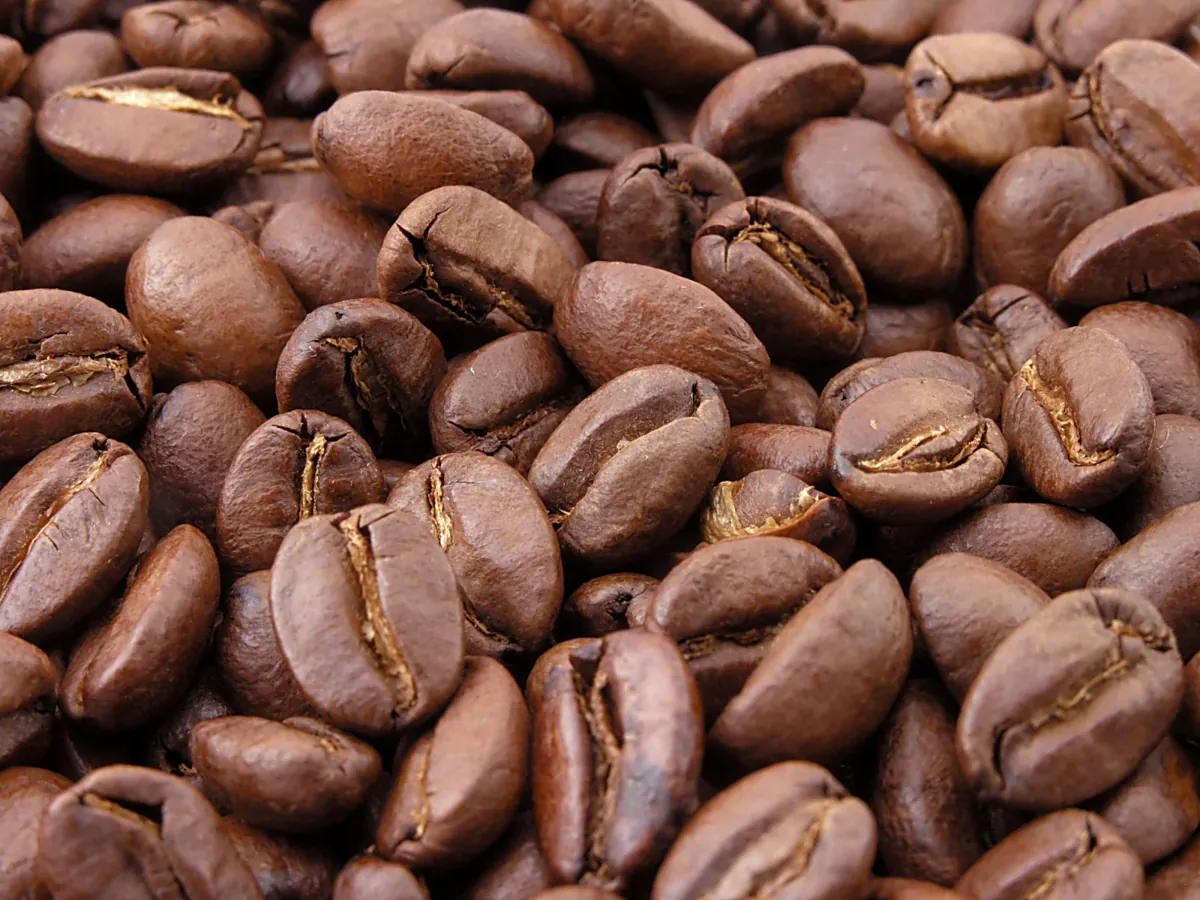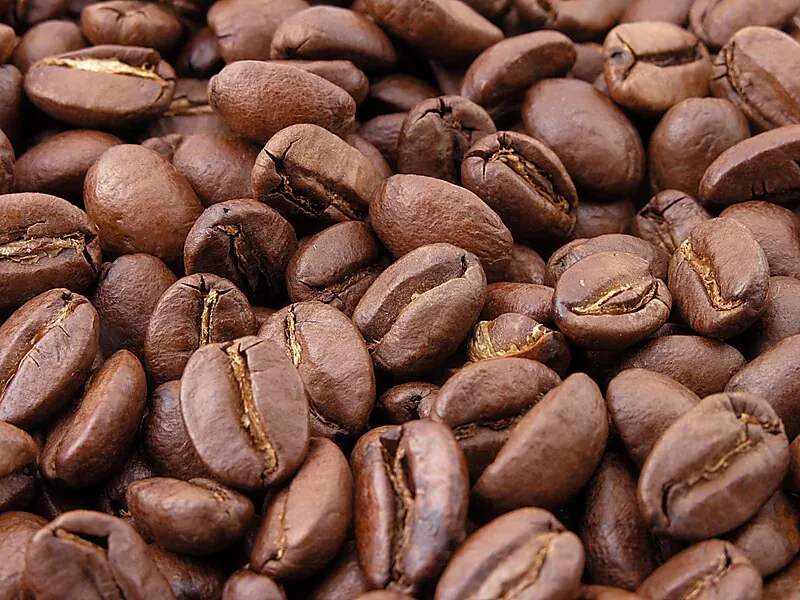
Every bag of roasted coffee you have ever bought was already stale before you opened it. Not badly stale, not undrinkably stale — but stale in the sense that the volatile aromatic compounds responsible for coffee's finest qualities had been depleting since the moment roasting finished, and a commercially packaged bag typically reaches the consumer weeks or months after roasting. Home roasting eliminates this delay entirely. Green (unroasted) coffee beans, stored correctly, keep for 12–18 months without significant deterioration. Roasted at home and brewed within days, they produce a cup of coffee with an aromatic freshness that no commercially purchased product can match. The learning curve is real; the reward is genuine.
Why Freshness Matters This Much
Coffee's flavour comes primarily from volatile aromatic compounds — hundreds of them, produced during the Maillard reaction and caramelisation processes of roasting. These compounds begin outgassing immediately after roasting: carbon dioxide first (which is why fresh coffee needs to "degas" before brewing — the CO₂ resists water extraction), then the aromatics. The rate of loss depends on temperature, oxygen exposure, and light, but the trajectory is always the same: the first 3–14 days after roasting are peak flavour; by 6–8 weeks the coffee is noticeably flatter; by 3 months it is a shadow.
Most coffee sold in supermarkets has no roast date (only "best by" dates that may be 12–18 months from roasting). Even specialty coffee sold online may be 2–4 weeks from roast date by the time of delivery. Home-roasted coffee brewed within 5 days of roasting is a genuinely different sensory experience.
Methods: From Dead Simple to Serious Equipment
Popcorn Popper (Entry Level)
The classic beginner's method: a hot-air popcorn popper (the kind with vents in the side of the roasting chamber, not the bottom) roasts 70–100g of green coffee in approximately 8–12 minutes. The roasting is fast, fairly hot, and produces light-to-medium roasts excellently. Limitations: small batch size, no precise temperature control, the chaff (the papery skin of the green bean) must be managed (roast outside or over a bowl). Cost: under €20 for the popper; green coffee from €8–15 per 500g.
Results are surprisingly good — significantly better than most commercial coffee, with learning curve measured in a few sessions. The setup is low-commitment and low-cost, making it the right starting point.
Stovetop Pan or Wok
The most traditional method — green coffee in a heavy pan over medium-high heat, stirred constantly. Produces uneven roasts without practice, but develops a tactile understanding of roasting that more automated methods obscure. Used by millions of home roasters in Ethiopia and across the Middle East, where it has been the standard method for centuries. Requires the most attention but the least equipment investment.
Dedicated Home Roasters
Several purpose-built home roasting machines exist at various price points:
- Fresh Roast SR800 (~€200): A well-regarded fluid-bed (hot air) roaster with variable heat and fan speed, roasting 230g per batch. The entry point to purpose-built equipment.
- Behmor 1600+ (~€350): A drum roaster that mimics commercial roasting, handling up to 450g per batch with programmable profiles. Better for medium-to-dark roasts; some smoke management built in.
- Kaldi Home Roaster (~€300–400): A stovetop drum roaster for use over a gas burner — more hands-on than the electric models, but with excellent control for those willing to engage with the process
- Bullet R1 Espresso (~€700–1,500): The serious prosumer option — a small drum roaster with data logging and software-controlled roast profiles. Genuinely bridges home and small-commercial roasting.
The Roasting Process: What's Actually Happening
Understanding the stages of roasting helps you know when to stop:
- Drying phase: Green coffee contains 10–12% moisture. The first minutes of roasting drive off this moisture — the beans turn from green to yellow, and a grassy/hay smell is produced.
- Maillard reaction: Proteins and sugars react — the beans turn tan, then brown, and develop a bread-like aroma. This stage produces many of the complex aromatic compounds.
- First crack: Around 196°C, the pressure inside the expanding beans exceeds the structure's tolerance and the beans crack audibly — a sound like popcorn popping. Light roast stops just after first crack; medium roast continues 30–90 seconds beyond.
- Development: Between first and second crack, caramelisation is dominant — sugars are browning, acidity is dropping, body is increasing. This is the critical window.
- Second crack: Around 224°C, the cellular structure of the bean begins to fracture — a more frequent, quieter cracking. Medium-dark roasts stop just at or before second crack; dark roasts continue into it.
- Stop roasting: Cool the beans immediately and rapidly. The chemical reactions continue from residual heat (carryover) — knowing how much carryover your roaster produces is part of the learning process.
Sourcing Green Coffee
Green coffee for home roasting is available from specialty importers and online retailers. Good sources typically offer:
- Detailed origin information: farm, cooperative, region, processing method, harvest year
- Cupping scores and flavour descriptions
- Sample packs for trying multiple origins before buying larger quantities
Prices range from €8–15 per 500g for excellent quality — significantly less than equivalent roasted specialty coffee, meaning home roasting pays for equipment within months for regular drinkers. Ethiopian, Kenyan, and Colombian origins reward home roasting most noticeably, as their distinctive character (florals, fruit, bright acidity) is most preserved in freshly roasted coffee.
Related: The Science of Coffee Extraction: What's Actually Happening | Kenya AA: Africa's Most Complex Cup