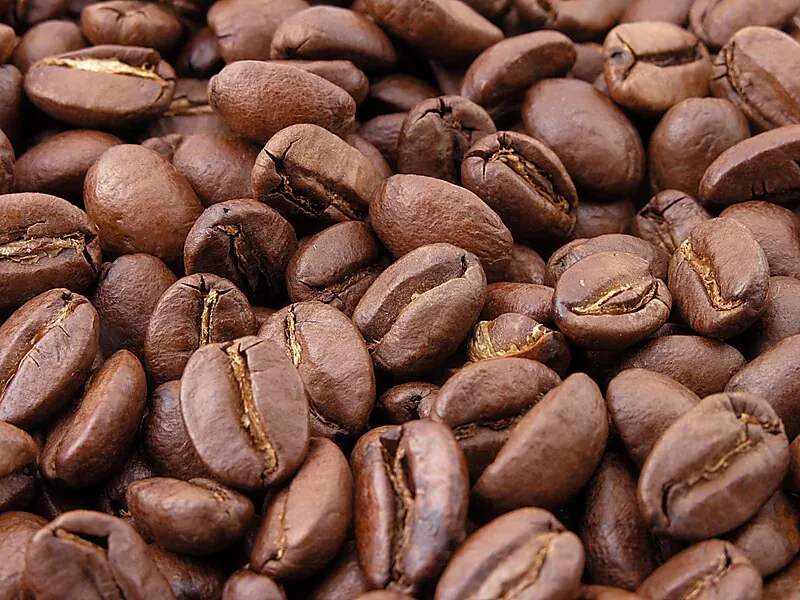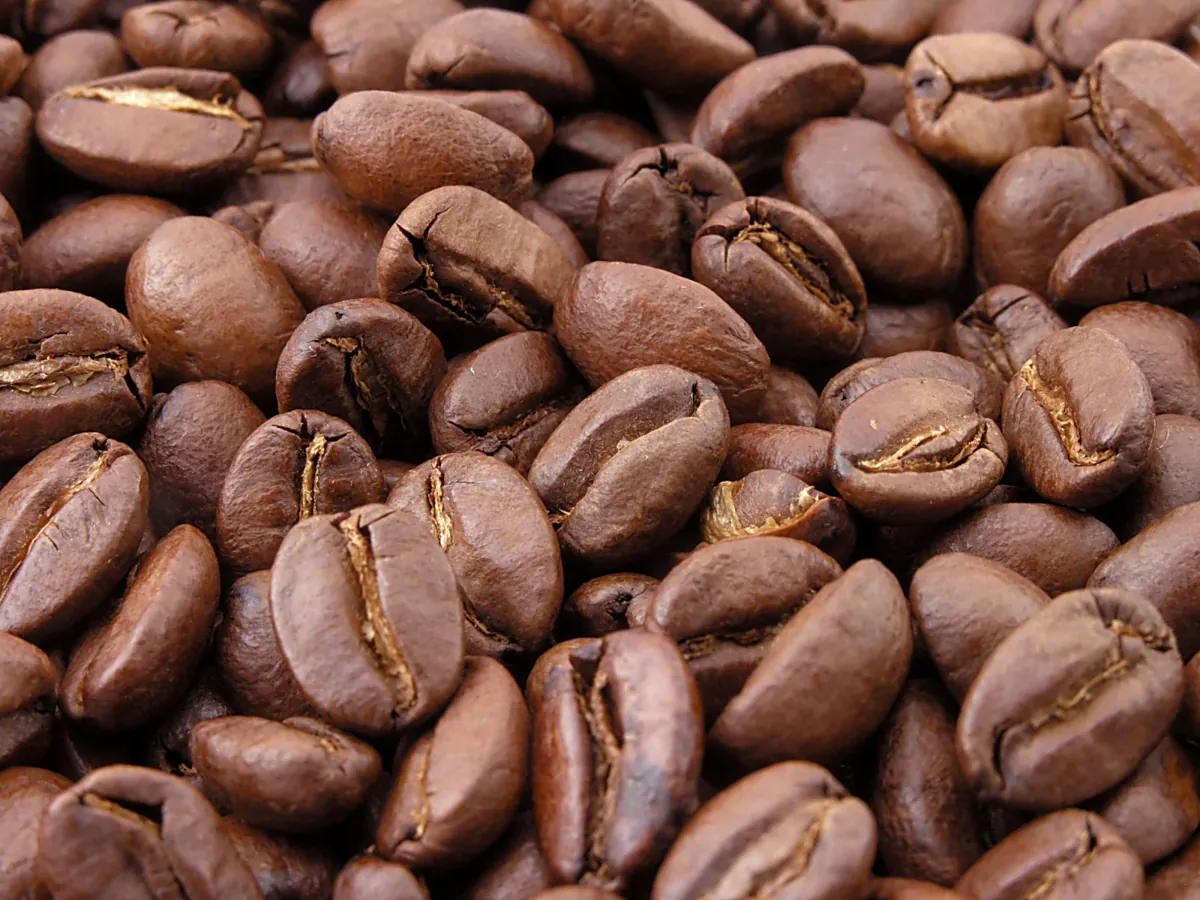

Green coffee is not particularly interesting to drink. It produces a thin, grassy, mildly vegetal liquid with none of the complexity, bitterness, or aromatic depth that makes roasted coffee compelling. Everything that transforms a green bean into the substance that drives the world's second most traded commodity by volume happens in the roaster, across a span of roughly 10 to 15 minutes, through a series of chemical reactions whose products number in the thousands of distinct compounds. The Maillard reaction is the primary driver of this transformation. Understanding what it is, what it produces, and how roast variables affect it explains more about why coffee tastes the way it does than any other single piece of chemistry.
What the Maillard Reaction Is (and What It Is Not)
The Maillard reaction is a family of non-enzymatic browning reactions between reducing sugars and amino acids, first described by French physician and chemist Louis-Camille Maillard in 1912. It is not a single reaction but a cascade: the initial condensation of a reducing sugar with a free amino acid produces a glycosylamine, which undergoes Amadori rearrangement to form an Amadori product. These Amadori products then decompose through multiple competing pathways depending on temperature, pH, water activity, and the specific reactants involved. The result is a complex mixture of hundreds of flavor compounds, brown pigments (melanoidins), and aromatic volatile molecules.
The Maillard reaction is distinct from caramelization, which is the thermal decomposition of sugars alone without amino acids and which requires higher temperatures (starting around 160°C for fructose and 180°C for sucrose). Both occur during coffee roasting, but the Maillard reaction begins earlier (around 150°C) and produces a substantially more complex range of flavor compounds. The two processes overlap in the later stages of roasting and are not cleanly separable in practice, which is why the flavor chemistry of roasted coffee is so difficult to fully characterize.
Green Coffee Composition: The Starting Materials
What the Maillard reaction has to work with in a green coffee bean is determined by the bean's composition, which varies significantly by variety, origin, altitude, processing method, and storage conditions. Understanding the starting materials helps explain why the same roast profile applied to beans of different origins produces dramatically different results.
Reducing sugars: green coffee contains relatively modest concentrations of free reducing sugars (glucose and fructose) compared to many other roasted foods, typically 0.1-1% by dry weight. However, sucrose is present in significantly higher concentrations (6-9% in Arabica, 3-4% in Robusta), and sucrose hydrolyzes to fructose and glucose during the early stages of roasting, providing a sustained supply of reducing sugars throughout the Maillard window. The higher sucrose content of Arabica relative to Robusta is part of the chemical explanation for why Arabica is generally considered more suitable for light and medium roasts, where the sugar-derived flavors remain prominent.
Amino acids: green coffee contains approximately 2% free amino acids by dry weight, with the specific composition varying by origin. The amino acid profile of Ethiopian Yirgacheffe differs measurably from that of Colombian Huila, and these differences in starting material contribute to the different flavor development pathways during roasting. Asparagine, present in significant quantities in coffee, reacts with reducing sugars to produce acrylamide (a compound with suspected carcinogenic properties at high doses), which is one reason why darker roasts have attracted some public health attention in recent years, though the acrylamide levels in typical coffee consumption are well within regulatory safety margins.
Chlorogenic acids: green coffee is extraordinarily rich in chlorogenic acids (CGAs), comprising 6-10% of the dry weight of green Arabica. These are ester compounds formed between quinic acid and hydroxycinnamic acids (caffeic, ferulic, and p-coumaric acids). CGAs are major contributors to coffee's astringency and bitterness, and their degradation during roasting produces a range of phenolic compounds that contribute to coffee's characteristic aroma. Specifically, CGA degradation produces vinylcatechols and vinyl guaiacol (the characteristic smoky note of darker roasts) and contributes to the release of caffeic acid, which itself undergoes further reactions during roasting.
The Roasting Timeline: What Happens at Each Stage
Coffee roasting can be divided into phases defined by the physical and chemical events occurring in the bean, with temperature ranges that vary somewhat depending on the roasting equipment and rate of heat application (the "rate of rise" or ROR in specialty coffee terminology).
Drying phase (approximately 25°C to 160°C, roughly 40-60% of total roast time): moisture evaporates from the green bean, which contains 10-12% water by weight. The bean changes color from green to yellow and begins to smell like hay, grain, and toast as early Maillard products begin forming from amino acid-sugar reactions at the lower end of the temperature range. No significant chemical transformation of flavor-active compounds occurs yet, but this phase establishes the thermal conditions for subsequent reactions.
Maillard phase (approximately 150°C to 180°C): this is the primary flavor-development window. The Maillard reaction accelerates dramatically as temperature rises, producing hundreds of volatile aroma compounds. Key classes include pyrazines (earthy, nutty, roasted notes), furans (caramel, sweet, fruity), aldehydes (green, fatty, almond-like at lower roast levels), ketones, and pyrroles. The specific pyrazines formed depend on the amino acid reactants: methyl pyrazine forms from alanine and threonine; 2,3-dimethylpyrazine from threonine and valine. The bean color progresses from yellow to light brown. Roasters who taste samples at various points through this phase observe progressive transformation from raw, vegetal notes to increasingly complex caramel, nut, and fruit aromatics.
First crack (approximately 196-204°C): the coffee bean's internal structure builds up steam and CO2 pressure until the cells rupture audibly, producing a sound similar to popcorn popping. First crack marks the boundary between what specialty coffee considers "underdeveloped" (pre-crack) and "light" to "medium" roast levels. Many specialty roasters produce their lightest roasts within 30-60 seconds of first crack beginning, capturing maximum acidity and origin-specific character before Maillard products are further modified by heat.
Development phase (first crack to approximately 220°C): after first crack, roasters control the pace of development carefully. Extending time in this range produces caramel sweetness and body. The rate of rise typically slows deliberately at this point in skilled roasting practice, allowing Maillard reactions to complete without pushing toward pyrolysis.
Second crack (approximately 224-230°C): the oils within the bean begin to be forced to the surface (producing the shiny appearance of darker roasts), and structural components undergo pyrolysis. Furans and furfurals increase sharply, producing the dark, smoky, bittersweet character of French and Italian roasts. Many of the origin-specific aromatic compounds developed earlier are volatilized and lost at these temperatures, which is why very dark roasts taste similar regardless of origin: the origin character has been roasted out.
Why Roast Level Determines Flavor More Than Almost Any Other Variable
The practical implication of this chemistry for coffee consumers is that roast level is the most powerful flavor variable in coffee, more influential than brewing method, water temperature, or grind size on the fundamental flavor character of the cup.
A light roast (developed to just after first crack) retains the highest concentration of origin-specific aromatic compounds, maximum acidity, and the fruit and floral notes that distinguish Ethiopian natural-processed coffees from Colombian washed coffees from Kenyan SL-28 varieties. It also retains higher concentrations of chlorogenic acids (contributing more astringency) and lower concentrations of the melanoidins that create body and bitterness.
A medium roast (extending development 1-2 minutes past first crack) produces greater body through melanoidin development, reduced acidity as chlorogenic acids degrade, and a shift toward caramel, chocolate, and nut notes. Most of the world's commercially successful specialty coffee is roasted in this range because it balances origin character with approachable sweetness and body.
A dark roast (approaching or exceeding second crack) sacrifices most origin-specific character for the dominant pyrolysis products: bittersweet chocolate, smoke, spice, and the robust, oily body associated with Italian espresso tradition. The higher bitterness of dark roasts comes primarily from degradation products of chlorogenic acids and from quinolones produced during heavy roasting, not from caffeine (which is relatively heat-stable across the roast spectrum and does not significantly contribute to bitterness differences between roast levels).
The Specialty Coffee Movement's Relationship with Roast Chemistry
The specialty coffee movement of the past 25 years has been, in many respects, a sustained argument about roast level. Third-wave specialty roasters have systematically pushed roast profiles lighter than the industry norm, motivated by the argument that heavy roasting obscures origin character and that the complex fruit, floral, and terroir-specific notes of high-quality green coffee are best expressed through minimal thermal modification. This argument has genuine chemical support: the compounds associated with the specific character of a Yirgacheffe or a Geisha are volatile at roasting temperatures and are progressively lost as heat application extends.
The counter-argument, made by defenders of medium and dark roasts, has also gained scientific support: a 2023 study published in Nature Food by researchers at UC Davis found that medium-dark roast coffee showed a more balanced distribution of flavor compounds across the aromatic complexity spectrum, with lighter roasts showing higher concentrations of certain aromatic classes but also higher astringency and what some consumers describe as sourness (actually acidity, which is a positive quality term in specialty coffee but a negative sensory experience for many consumers). Consumer preference trials consistently show that the majority of coffee drinkers, when tasting blind, prefer medium to medium-dark roast profiles over light roast, suggesting that the specialty coffee movement's light-roast advocacy reflects the preferences of a specific consumer segment rather than a universal truth about coffee flavor quality.
Related: Cold Brew vs. Iced Coffee vs. Japanese Iced Coffee: The Full Comparison | Ethiopia's Specialty Coffee Scene: The Origin That Changed Everything