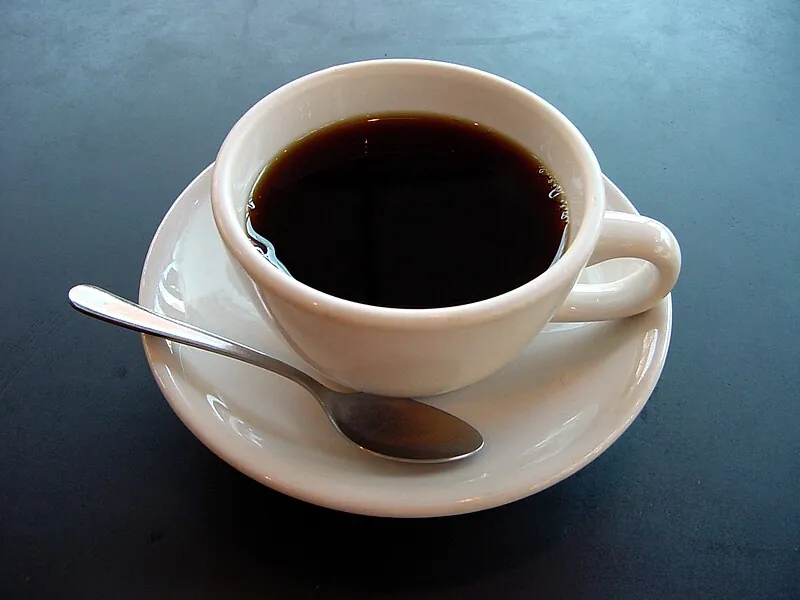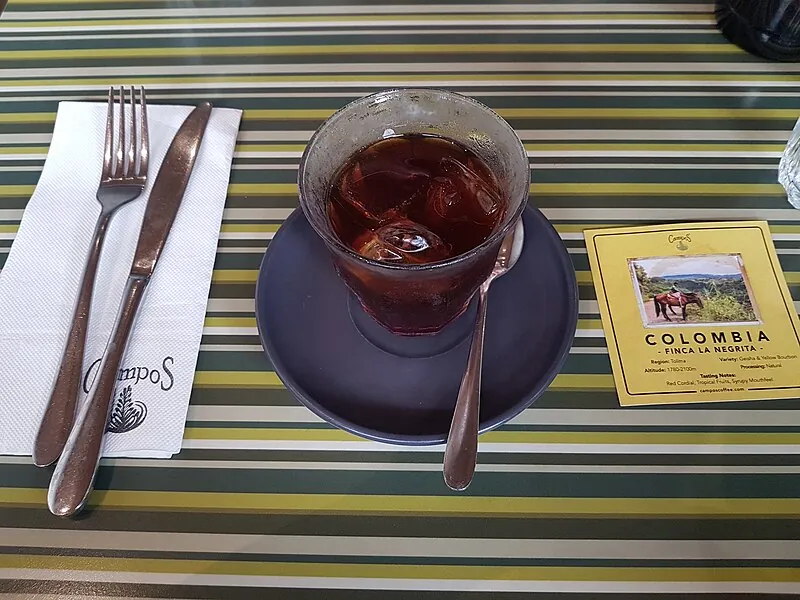
Cold brew coffee is one of the most significant success stories in the modern coffee industry — a method that was essentially a Japanese artisan tradition (kyoto drip, or mizudashi koohii) before the 2010s, became a US specialty café staple around 2012–2015, and is now a global commercial category worth over $400 million annually that Starbucks, Dunkin', and every major coffee brand produces at industrial scale. The reason for its popularity is simple and genuine: cold brew tastes different from hot coffee cooled over ice — it is smoother, less acidic, slightly sweeter in perception, with more body and less of the sharp bitterness that makes some people dislike black coffee — and these qualities are real, not marketing. The extraction chemistry of cold water produces a fundamentally different compound profile from hot water extraction. And the practical appeal is also real: make a batch on Sunday, refrigerate it, and have excellent coffee ready in 30 seconds every morning for the next two weeks, at a cost of approximately $0.30–$0.50 per serving versus $4–$6 at a café. The investment in understanding how to make it at home is one of the highest-return coffee skills you can acquire.
The Science: Why Cold Brew Tastes Different
The temperature of extraction water is the single most significant variable in coffee chemistry. Hot water (90–96°C for espresso/filter) extracts compounds from ground coffee rapidly and somewhat indiscriminately — it extracts desirable flavour compounds (aromatic esters, organic acids, Maillard products from roasting) and undesirable ones (harsh chlorogenic acid degradation products, some bitter alkaloids) simultaneously. The art of hot coffee brewing is controlling this extraction to maximise the desirable and minimise the undesirable.
Cold water (4–20°C) extracts much more slowly (12–24 hours vs. 25 seconds to 4 minutes for hot methods) and more selectively. The key differences in the resulting brew:
- Lower acidity: Many of the acidic compounds in coffee — particularly the volatile organic acids that give light-roasted coffee its bright, sharp character — are either not extracted by cold water or are extracted in lower concentrations. Cold brew typically has a pH of 6.0–6.3 versus 4.9–5.1 for hot-brewed coffee. This makes it significantly gentler on tooth enamel and on those with acid reflux or stomach sensitivity to coffee.
- Lower bitterness: The harsh bitter compounds — certain chlorogenic acid lactones and phenylindanes — are extracted more readily by hot water. Cold brew contains lower concentrations of these compounds, producing the characteristic smoothness that makes it more accessible to coffee drinkers who find hot black coffee too bitter.
- Different aromatics: Cold extraction preserves some volatile aromatic compounds that dissipate during hot brewing; it fails to extract others that require heat to become soluble. The result is a different — not better or worse, different — aromatic profile: less bright top notes, more bass-heavy chocolate and caramel notes for darker roasts, a clean stone-fruit and floral character for lighter roasts brewed cold.
- Higher caffeine: Cold brew concentrate (before dilution) contains more caffeine per ml than hot coffee, because the extended steep time extracts more caffeine from the grounds and the concentration ratio is typically higher (1:4 or 1:5 grounds to water versus 1:15 to 1:17 for filter coffee).
The Basic Method: Everything You Need to Know
Ratio
The most important variable in cold brew is the grounds-to-water ratio, because it determines whether you're making concentrate (to be diluted before serving) or ready-to-drink cold brew:
- Concentrate ratio (1:4 to 1:5 by weight): 100g coffee to 400–500ml water. Makes a concentrate that should be diluted 1:1 or 1:2 with water, milk, or ice. More economical, stores in less space, more versatile. This is what most commercial cold brews are.
- Ready-to-drink ratio (1:8 to 1:10 by weight): 100g coffee to 800ml–1L water. Makes a cold brew that can be drunk directly over ice. Gentler flavour, less flexible.
Recommendation: The concentrate approach (1:4.5) gives you more control. Mix 1 part concentrate with 1–2 parts water to taste; add ice; add milk if desired.
Grind Size
Coarse grind — coarser than French press. This is essential, not optional. Fine or medium-fine ground coffee in a cold brew steep produces over-extraction (despite the cold temperature, the increased surface area of fine grounds extracts too much over 12–24 hours), resulting in astringent, harsh cold brew. A coarse grind limits surface area and controls extraction rate. On most grinders: the coarsest 20–25% of the grind range.
Time and Temperature
Two approaches work:
- Refrigerator steep (4°C): 18–24 hours. The preferred method — refrigerator temperature significantly slows bacterial growth and produces a cleaner, more flavour-stable result. The slower extraction at cold temperature produces a more mellow, round flavour.
- Room temperature steep (18–22°C): 10–14 hours. Faster extraction, slightly more body and complexity, but marginally higher risk of off-flavours developing if the room is warm or the water is impure. Filter immediately when steep is complete and refrigerate the finished cold brew promptly.
Equipment
No specialised equipment is required:
- A large jar or container (1L mason jar, a pitcher, a clean food-grade bucket)
- A fine-mesh strainer lined with a paper coffee filter, a clean cloth, or a nut milk bag — for filtering the grounds from the finished brew
- A scale for measuring the grounds (cup measurements are imprecise for this)
Dedicated cold brew makers (Toddy, Hario Mizudashi, OXO Cold Brew) add convenience (built-in filters, better seals) but produce results indistinguishable from a mason jar and a paper filter.
The Full Process: Step by Step
- Measure and grind: For a 1L batch of concentrate — 200g coffee, coarse grind (or buy pre-ground at coarse setting, though fresh-ground is always better)
- Combine: Place coffee grounds in your container. Add 800ml filtered water (filtered water removes chlorine that can produce off-flavours in long extraction). Stir briefly to ensure all grounds are wet. Cover.
- Steep: Refrigerator for 20 hours, or room temperature for 12 hours.
- Filter: Pour through your filter setup into a clean container. The filtering takes 5–15 minutes. Don't rush it and don't squeeze the grounds — squeezing extracts bitter compounds. Discard spent grounds (they're excellent compost).
- Dilute and serve: Mix 1 part cold brew concentrate with 1–1.5 parts water (or milk, oat milk) over ice. Adjust to taste. Add sweetener if desired, though good cold brew needs less sweetener than hot coffee.
- Store: Refrigerate the concentrate in a sealed container. It keeps well for up to 14 days, though flavour is optimal within the first week.
The Best Coffee for Cold Brew
Cold brew is forgiving about coffee quality in one direction and unforgiving in another:
- Dark and medium-dark roasts excel: The chocolate, caramel, and low-acidity notes of medium-dark to dark roasted coffee are amplified by cold extraction. Colombian, Brazilian, and Guatemalan beans at medium-dark roast make excellent cold brew with naturally sweet, chocolatey flavour. Sumatra dark roast produces an intensely earthy, syrupy cold brew that has a specific devoted following.
- Light roasts can be interesting but challenging: Light-roasted specialty coffee in cold brew can be extraordinary (the fruit and floral notes that hot extraction can make sharp become mellow and compelling when cold-extracted) but can also produce grassy or sour results if the ratio isn't right. If experimenting with light roast cold brew, reduce the steep time slightly and use the ready-to-drink ratio (1:8).
- Freshness matters less than for espresso: Cold brew is more forgiving of coffee that is past its peak roast freshness. Coffee that has been roasted 4–8 weeks ago (too old for optimal espresso) can still make excellent cold brew. This makes cold brew an excellent use for coffee you find at the back of the cupboard — within reason (6+ months old will taste stale regardless).
Variations: Pushing the Method Further
- Nitrogen cold brew (Nitro): Infusing cold brew with nitrogen gas (using a whipped cream canister with nitrogen cartridges, or a draft system) produces the creamy, Guinness-like texture of commercial nitro cold brew. The nitrogen creates tiny bubbles that give the coffee a velvety mouthfeel and visual cascade. Achievable at home with nitrogen chargers and a pressurised bottle.
- Cold brew tonic: 1 part cold brew concentrate over ice, topped with 2 parts tonic water — the bitterness of the quinine in the tonic mirrors and amplifies the coffee bitterness in a way that produces a genuinely interesting non-alcoholic drink. A slice of orange completes it.
- Milk cold brew: Steep the grounds in whole milk instead of water — the fat in the milk extracts more fat-soluble flavour compounds and produces a richer, creamier, less acidic result. Filter carefully (coffee and cold milk is harder to filter than water) and use within 3 days.
Related: The Best Home Espresso Machines | Coffee and Ice Cream: The Greatest Cold Combination