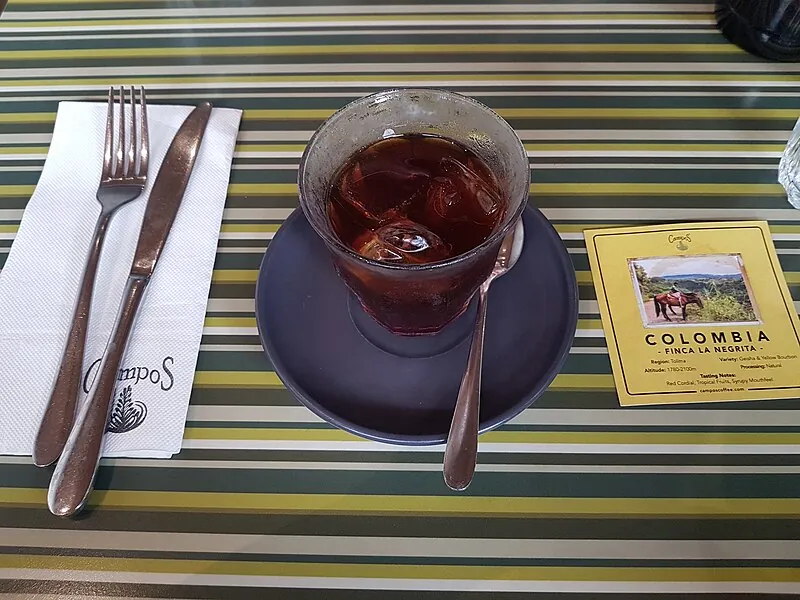
Cold brew has become the fastest-growing coffee category globally, with retail cold brew sales exceeding $400 million annually in the US alone by 2024. The commercial appeal is clear: it is smooth, low-acid, naturally sweet-tasting, and works well as both a black coffee and a base for milk drinks. The home production reality is equally clear: cold brew is the simplest coffee brewing method that exists, requiring no special equipment, no heat, no timing during the brew, and no skill beyond grinding coffee and adding cold water. The entire process requires about 5 minutes of active time spread over 12 to 24 hours of passive steeping.
Cold Brew vs Iced Coffee: The Actual Difference
Iced coffee is brewed hot (by any method) and then cooled by pouring over ice. The hot brewing extracts the full complement of coffee compounds including acids and some bitterness; cooling stops extraction but doesn't remove these compounds. The result tastes like a cold version of the hot brew.
Cold brew is brewed in cold water from the start. Cold water extracts more slowly and extracts a different profile of compounds: less quinic acid (the compound responsible for coffee's sharp, mouth-drying acidity as it cools), less chlorogenic acid degradation, and more of the natural sugars and melanoidins that contribute to perceived sweetness. The result is a smoother, less acidic, naturally sweeter drink than iced coffee made from the same beans. It also contains more caffeine per ounce than hot-brewed coffee (longer contact time extracts more caffeine), which explains why it can feel stronger despite tasting milder.
Equipment Needed
No specialist equipment is required for basic cold brew:
- A large glass jar, pitcher, or any non-reactive container with a lid (a 1-litre mason jar works perfectly for a single batch)
- A fine mesh strainer and cheesecloth, or a coffee filter (paper filter in a dripper works), or a nut milk bag
- A coffee grinder (coarse grind; pre-ground is acceptable but less ideal)
- Cold water
Purpose-built cold brew makers (OXO Good Grips Cold Brew Coffee Maker, £35 to £45; Toddy Cold Brew System, £30 to £40) offer integrated filtration and are useful if you make cold brew regularly, but are not necessary.
The Basic Cold Brew Recipe
Full-Strength Cold Brew (Ready to Drink)
Ratio: 1 part coffee to 8 parts water by weight (or approximately 60g coffee per 500ml water)
- Grind coffee coarsely (similar to French press grind; coarser than espresso, slightly coarser than drip filter). Coarse grind is important: fine grinding dramatically increases extraction speed and can produce over-extracted, bitter cold brew, and is also much harder to filter.
- Combine ground coffee and cold water in your container. Stir briefly to ensure all grounds are wet.
- Cover and refrigerate for 12 to 24 hours. 12 hours produces a lighter, brighter cup; 18 to 24 hours produces a stronger, deeper extraction. Room-temperature cold brew (placing the container on the counter rather than in the fridge) brews in 8 to 12 hours but carries a higher risk of bacterial growth, particularly in warm kitchens; refrigerator brewing is safer for longer steep times.
- Strain through a fine mesh strainer lined with cheesecloth into a clean container. This step takes 5 to 15 minutes depending on the volume and the fineness of the filter. Do not press or squeeze the grounds bag; this introduces astringency.
- Transfer to a clean jar and refrigerate. Full-strength cold brew lasts up to 2 weeks refrigerated.
Cold Brew Concentrate
Ratio: 1 part coffee to 4 parts water by weight (or approximately 120g coffee per 500ml water)
Same process as above; dilute 1:1 with water or milk before serving. Concentrate is more economical for storage (half the container volume for the same coffee yield), lasts longer (up to 3 weeks refrigerated), and allows flexible dilution for different drink strengths. The Starbucks bottled cold brew and Chameleon Cold-Brew sold in grocery stores are concentrate formats.
Which Coffee to Use
Cold brew works with any coffee, but certain profiles perform better:
- Medium to dark roasts: The chocolate, caramel, and nut notes in medium-dark roasts translate well into cold brew's low-acid profile, producing a sweet, rich result. Ethiopian naturals (fruity, berry-forward) are a popular choice for their sweetness in cold brew.
- Single-origin vs blend: Both work. A specialty single-origin produces a more nuanced cold brew with distinct flavour notes; a quality house blend produces a reliable, consistent result.
- Freshly ground vs pre-ground: Pre-ground coffee works in cold brew because the long extraction time compensates for the reduced surface area control of a non-optimised grind. However, freshly ground coarse coffee produces a cleaner, more complex result and strains more easily.
Serving Ideas
- Black over ice: The classic format; pour over a large ice cube or ice sphere (which melts more slowly than crushed ice) to avoid excessive dilution
- Cold brew latte: 1:1 cold brew concentrate with oat milk, almond milk, or whole milk over ice; no additional sweetener needed for most drinkers
- Cold brew tonic: 1:2 cold brew concentrate with tonic water (Fever-Tree works well); the bitterness of tonic complements the coffee; add a slice of orange or lemon
- Cold brew espresso martini: 60ml cold brew concentrate, 30ml vodka, 30ml coffee liqueur (Kahlúa or Mr Black), shaken vigorously with ice; the foam forms from the dissolved CO2 in the cold brew shaking
Troubleshooting
- Tastes sour or sharp: Under-extracted; extend the steep time or use a slightly finer grind next batch
- Tastes bitter or astringent: Over-extracted or ground too fine; reduce steep time or use a coarser grind
- Watery or weak: Ratio too low (too much water per gram of coffee); reduce the water ratio or use concentrate format
- Grounds in the cup: Filter is insufficient; double-filter through a coffee filter paper after the initial straining
Related: Iced Coffee at Home: The Best Methods for Each Style | Coffee Without a Machine: 8 Methods That Work