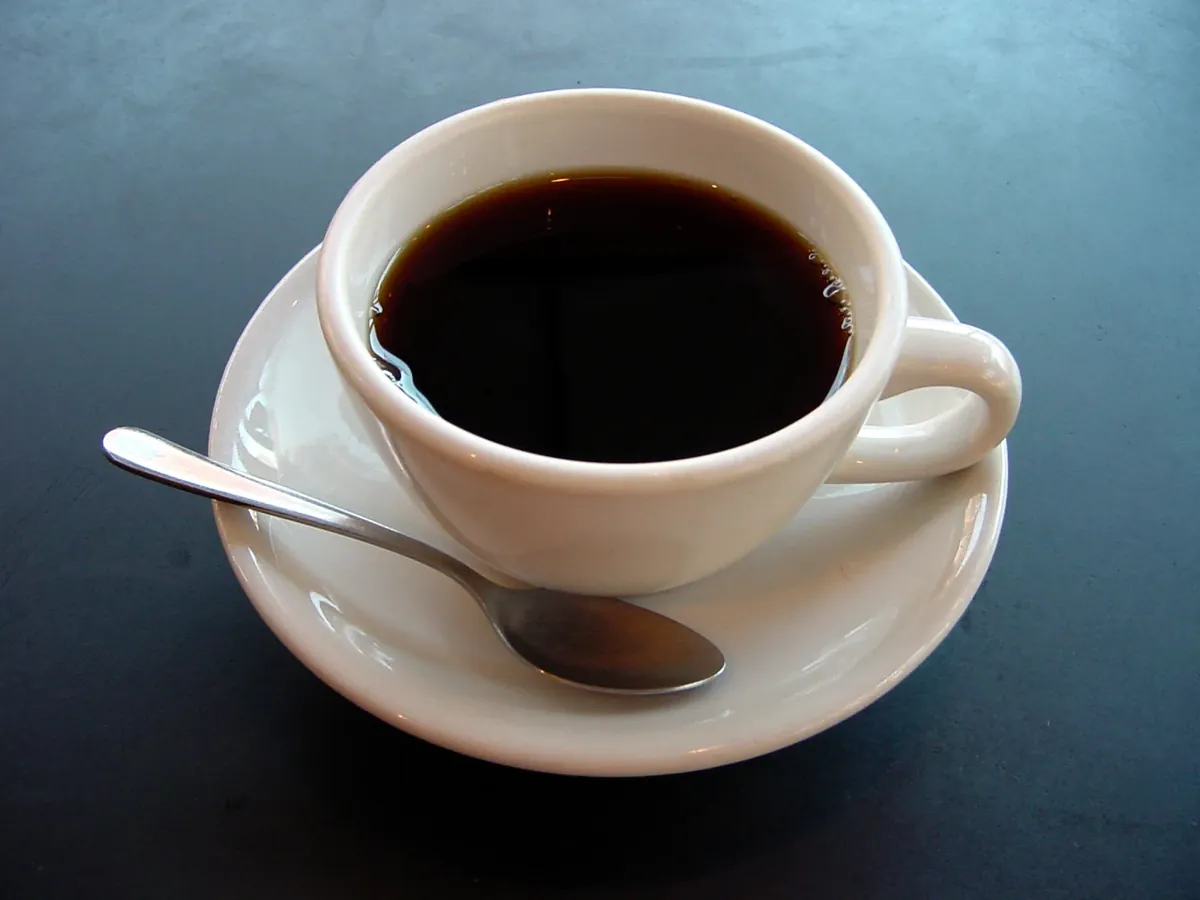

Water makes up approximately 98% of a brewed cup of coffee. The coffee grounds contribute the remaining 2%, but everything that surrounds and carries those extracted compounds is water. Despite this, the vast majority of home brewers use whatever comes out of the tap without a second thought. In cities with hard water (London, Chicago, Phoenix) or very soft water (Glasgow, Portland) the result is coffee that is noticeably worse than what the same beans produce in a well-calibrated café. Understanding why, and what to do about it, is one of the highest-impact improvements any home brewer can make.
The SCA Water Quality Standard
The Specialty Coffee Association (SCA) publishes a water quality standard that serves as the industry benchmark. The targets are specific and evidence-based:
- Total dissolved solids (TDS): 150mg/L target, acceptable range 75–250mg/L
- Hardness (calcium carbonate equivalent): 50–175mg/L as CaCO3, target 75mg/L
- pH: 6.5–7.5, target 7.0
- Chlorine: zero (not detectable)
- Odour: clean and odour-free
- Sodium: target 10mg/L, maximum 30mg/L
These are not arbitrary numbers. They reflect the mineral concentrations at which water extracts coffee most effectively, producing the highest concentration of desirable flavour compounds without amplifying bitterness or creating a flat, lifeless cup.
What TDS Actually Measures
TDS (total dissolved solids) is a measure of all dissolved minerals and compounds in water, expressed in milligrams per litre (mg/L) or parts per million (ppm, which is numerically equivalent for water). The key minerals are magnesium, calcium, bicarbonate, and sodium. Chlorine and chloramine, added by municipal water authorities as disinfectants, are also present in tap water and affect flavour directly.
The role of each mineral is different. Magnesium is particularly important for coffee extraction: it has a strong affinity for the aromatic compounds in roasted coffee, particularly the long-chain organic acids and volatile esters that carry flavour complexity. Calcium is essential for hardness and contributes to extraction but in high concentrations creates scale deposits and can suppress some flavour compounds. Bicarbonate acts as a buffer: it neutralises acidity in the cup, which can flatten what should be a bright, fruit-forward coffee.
The Magnesium Finding
The most important scientific work on coffee water chemistry was published in 2020 in the journal Matter by Christopher Hendon and colleagues at the University of Oregon. Hendon, a computational chemist who had previously co-authored the book Water for Coffee with Maxwell Colonna-Dashwood, demonstrated through molecular modelling and taste trials that magnesium ions are the primary driver of aromatic extraction in coffee. Water high in magnesium produced cups rated significantly higher for complexity and sweetness than water high in calcium at the same TDS level.
This finding has practical implications: not all hard water is equal. London water, which is hard due primarily to calcium and bicarbonate from limestone geology, produces different results from water in areas where magnesium is the dominant hardness mineral. The direction of intervention also differs: adding magnesium to soft water is more effective than simply reducing calcium hardness.
The Problem With London Tap Water
London tap water typically measures 300–320mg/L TDS, well above the SCA maximum of 250mg/L. It is hard due to calcium carbonate from chalk and limestone geology in the Thames and Lea catchment areas. The effects on coffee are measurable and consistent: high calcium and very high bicarbonate suppress acidity and flatten the cup. What should taste bright and fruit-forward from a well-roasted Ethiopian single origin tastes chalky, muted, and slightly sour in a way that is not pleasant. The bicarbonate particularly affects perceived acidity: it buffers the organic acids in the coffee, reducing the brightness that makes specialty coffee interesting.
Additionally, London water scale is a genuine equipment problem. The calcium carbonate precipitates inside espresso machine boilers and group heads when heated, building up a mineral crust that reduces heat efficiency, causes pressure drops, and shortens machine life. A home espresso machine in London that is not regularly descaled will typically show performance degradation within six months of use.
The Problem With Very Soft Water
Scottish tap water (Edinburgh, Glasgow) typically measures 20–50mg/L TDS, far below the SCA minimum of 75mg/L. Welsh water and water from parts of Ireland, Scandinavia, and the US Pacific Northwest is similarly soft. The result is under-extraction: with insufficient minerals to facilitate the chemical interactions between water and coffee solids, the water cannot dissolve the full range of flavour compounds. The resulting cup tastes thin, sour (high acidity with low body), and one-dimensional.
Baristas who move from hard-water cities to soft-water cities often notice an immediate improvement in the brightness of their espresso but a loss of body and sweetness. The optimal response is to add minerals rather than filter them out.
Solutions That Actually Work
Brita Filter (UK and EU Hard Water)
A Brita Maxtra+ filter reduces chlorine and chloramine (which cause off-flavours) and partially reduces calcium hardness through ion exchange. It does not add magnesium and does not hit the SCA target precisely, but for typical London or Paris tap water it produces a measurable improvement at low cost. A Brita jug costs roughly £25 and replacement cartridges run £5–6 each, with a stated capacity of 150 litres per cartridge. The result is approximately 150–200mg/L TDS, within the SCA acceptable range for most UK tap water sources.
BWT Mg2+ Pitcher Filter
The BWT (Best Water Technology) Mg2+ filter takes a different approach: it reduces calcium hardness through ion exchange but simultaneously releases magnesium ions into the water. The result is water with reduced overall hardness but elevated magnesium, closer to the ideal mineral profile for coffee extraction. BWT replacement cartridges cost approximately £35 for a pack of three and are used by many specialty cafés in the UK and Europe. Several World Barista Championship competitors have used BWT-treated water in competition.
Third Wave Water Mineral Packets
Third Wave Water (a US company) produces pre-measured mineral packets designed to be added to one gallon (3.8 litres) of distilled or reverse-osmosis water. The Classic Espresso Profile packet contains magnesium sulfate, calcium citrate, and sodium bicarbonate in ratios calibrated to hit the SCA target. A pack of 12 sachets costs approximately $15 USD online. Each sachet treats one gallon of distilled water. This approach gives the most precise control over water chemistry and produces consistent results regardless of local tap water quality. It requires access to distilled or RO water (available at most supermarkets in the US in gallon jugs) and involves more preparation than simply filtering tap water, but the results are noticeably superior.
Reverse Osmosis With Remineralisation
Some serious home espresso setups use an under-counter reverse osmosis system with a remineralisation stage. RO membranes remove essentially all dissolved solids (resulting in near-distilled water), and the remineralisation cartridge adds back a controlled mineral profile. Systems from companies like BWT, Osmio, and AquaTru cost £150–400 installed. This is the approach used by most competition baristas and specialty cafés that have invested seriously in water quality.
What Not to Use: Distilled and Deionised Water
Distilled water (TDS of approximately 0–5mg/L) and deionised water contain essentially no dissolved minerals. Using either for coffee produces a flat, under-extracted cup, because there are insufficient minerals to facilitate proper extraction chemistry. Beyond taste, both types can damage espresso machines: the extremely low mineral content causes some metals to leach from boiler components, and the absence of any buffering capacity means pH can shift dramatically inside the boiler. Most espresso machine manufacturers specifically warn against using distilled or deionised water without remineralisation.
Testing Your Own Water
A basic TDS meter costs £10–20 and measures dissolved solids in seconds. Place the probe in a glass of tap water and note the reading. Under 75mg/L: your water is too soft and needs remineralisation. 75–200mg/L: your water is within range, though you may still benefit from a filter to remove chlorine. Over 250mg/L: your water is too hard and will produce flat coffee and boiler scale. For a more detailed analysis, companies including Tasting Waters (UK) offer postal water testing kits that report full mineral profiles for around £20.
Related: The Science of Espresso Extraction | Best Home Espresso Machines 2025