Of all the health associations studied in nutritional epidemiology, coffee's relationship with liver health is the one researchers describe with the most confidence. It has been replicated across dozens of independent cohort studies, across different populations and continents, across different coffee preparations, and across multiple distinct liver diseases. A 2017 meta-analysis published in BMJ Open pooled nine studies involving more than 430,000 participants and found that drinking two cups of coffee per day was associated with a 44% reduction in the risk of developing cirrhosis compared to non-drinkers. Numbers of that magnitude, in that many people, observed that consistently, are rare in nutritional science.
What the Evidence Covers
The liver-protective association is not limited to a single disease. Research has documented statistically significant inverse associations, meaning higher coffee consumption is linked to lower disease risk, across several distinct liver conditions.
Liver cirrhosis has the strongest and most replicated evidence. The 2017 BMJ Open meta-analysis, covering studies from Europe, the United States, Japan, and South Korea, consistently found risk reductions in the range of 40 to 50% for regular drinkers compared to non-drinkers.
Non-alcoholic fatty liver disease (NAFLD) is now the most common liver condition in the developed world, affecting an estimated 25% of the global adult population. Multiple observational studies have found that coffee drinkers have lower rates of liver fat accumulation and slower progression from simple steatosis (fat deposition) to non-alcoholic steatohepatitis (inflammatory damage). A 2021 review in Nutrients summarised the mechanistic evidence and concluded that chlorogenic acids in coffee reduce hepatic fat accumulation through multiple pathways.
Alcoholic liver disease is also covered by the evidence base, with studies finding that coffee appears to slow fibrotic progression even in people who drink alcohol regularly, though it does not eliminate the damage caused by alcohol.
Hepatocellular carcinoma (primary liver cancer) has been the subject of a separate body of research. A 2013 review published in Hepatology analysed data from multiple cohort studies and found that consuming two cups of coffee per day was associated with approximately a 40% reduction in risk of hepatocellular carcinoma compared to no coffee consumption. This finding has been replicated in subsequent analyses, including a 2017 review by the International Agency for Research on Cancer.
Proposed Mechanisms
Epidemiological associations, however strong, do not by themselves establish causation. Researchers have therefore invested considerable effort in identifying plausible biological mechanisms that could explain why coffee would protect the liver. Several are now reasonably well-supported.
Kahweol and cafestol are diterpenes found in unfiltered coffee (primarily in espresso, French press, and moka pot coffee). In animal studies, both compounds have demonstrated anti-fibrotic effects: they reduce the activation of hepatic stellate cells, which are the primary drivers of liver fibrosis (the scar tissue that accumulates in cirrhosis). A 2011 study published in Gut confirmed these effects in rodent models of liver injury. Human mechanistic data is more limited, but the animal evidence is consistent.
Chlorogenic acids are the dominant antioxidant compounds in coffee and are present in both filtered and unfiltered preparations. They have been shown in cell culture and animal studies to reduce hepatic fat accumulation by improving insulin sensitivity and reducing de novo lipogenesis (the liver's synthesis of new fat). A coffee drinker consuming three cups per day ingests approximately 600 to 800 mg of chlorogenic acids, a dose shown to produce measurable metabolic effects in human trials.
Caffeine and hepatic stellate cells: a 2010 study in Gut found that caffeine inhibits the transformation of hepatic stellate cells from a quiescent state to an activated, fibrosis-promoting state. This pathway is independent of the diterpenes and chlorogenic acids, which matters because it suggests that multiple components of coffee are acting simultaneously on different points of the disease pathway.
Caffeine and adenosine receptors: caffeine is an adenosine receptor antagonist. Adenosine signalling in the liver promotes inflammatory and fibrotic responses. By blocking these receptors, caffeine may reduce the liver's inflammatory response to injury, slowing the progression from early damage to cirrhosis.
Does Decaffeinated Coffee Work?
This is one of the more clinically important questions in the field, because it helps separate which components of coffee are responsible for the observed effects. The evidence is mixed but points to a partial benefit from decaffeinated coffee.
Several studies, including a large analysis from the NHANES dataset published in 2012, found that decaffeinated coffee drinkers also showed reduced liver enzyme levels compared to non-coffee drinkers, suggesting non-caffeine components contribute meaningfully. However, the protective associations are generally weaker for decaf than for regular coffee in most studies that have compared them directly.
The most reasonable interpretation is that the liver-protective effect is multi-factorial: caffeine contributes through adenosine receptor antagonism and stellate cell effects; chlorogenic acids contribute through fat metabolism and antioxidant pathways; and diterpenes contribute through anti-fibrotic mechanisms. Removing caffeine removes one of these pathways but not all of them.
What Type of Coffee and How Much
Filtered coffee (drip coffee, pour-over) and espresso-based coffee show similar protective associations in most studies. The important distinction is between coffee and no coffee: the specific preparation method appears to matter less than the regularity of consumption.
The dose-response relationship in most studies follows a curve that flattens above four cups per day. The greatest protective benefit per additional cup occurs moving from zero to one cup, then one to two cups, then two to three cups. At three to four cups per day, most studies find the association has plateaued. There is no clear evidence of additional liver benefit from drinking five or more cups per day, and at very high intakes other health considerations (anxiety, sleep disruption, blood pressure in sensitive individuals) become relevant.
The current evidence most consistently supports two to four cups of coffee per day as the range associated with the strongest liver-protective associations.
Important Caveats
Observational data, even from very large studies, cannot fully account for confounding. Coffee drinkers differ from non-coffee drinkers in many ways: they may smoke more (which would make coffee's protective association even more impressive, since smoking is a liver cancer risk factor), they may exercise differently, and they have different dietary patterns. Researchers attempt to adjust for these variables statistically, but residual confounding is always possible.
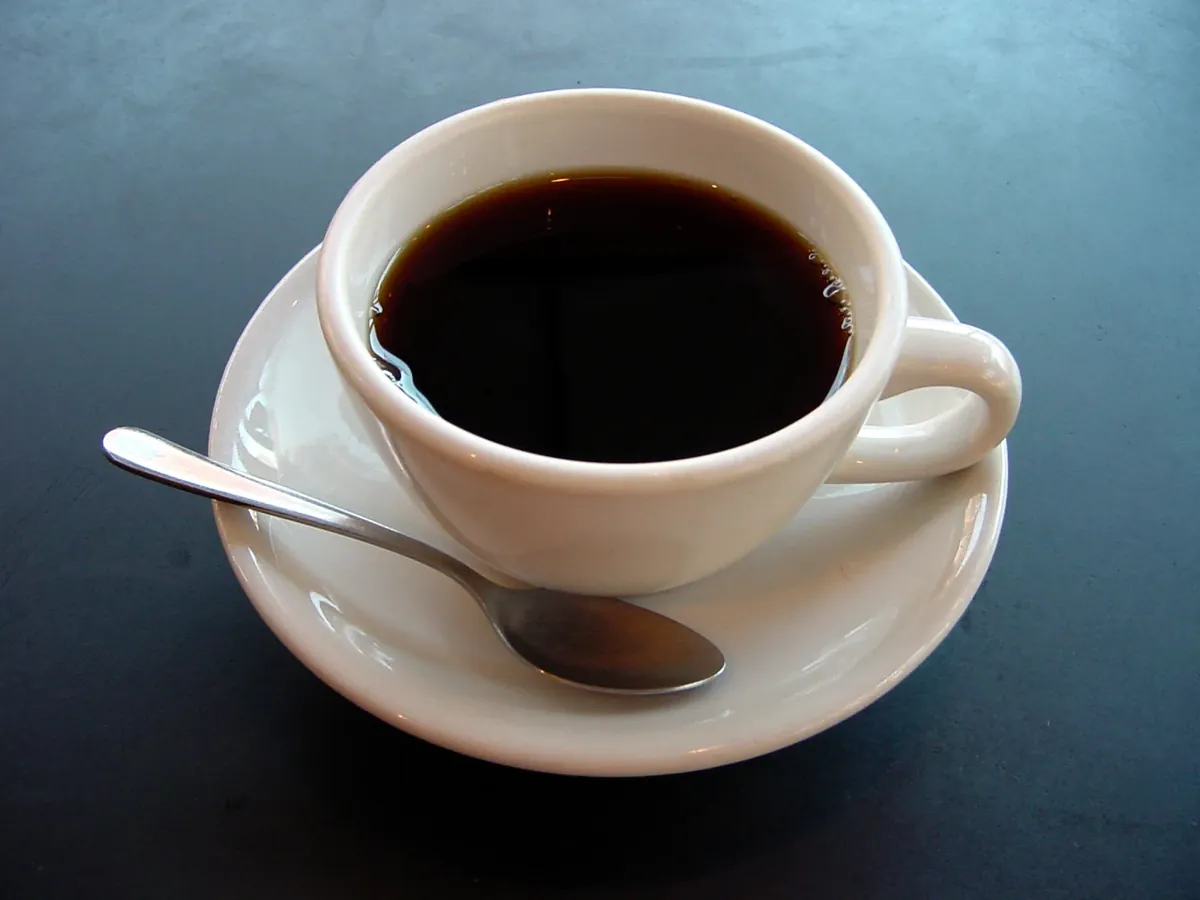
What you add to your coffee also matters. The liver-protective associations in epidemiological studies are typically observed for coffee as consumed, which in many study populations means black coffee or coffee with small amounts of milk. Adding significant quantities of sugar, flavoured syrups, and cream changes the metabolic picture: added sugars and excess calories contribute to NAFLD, potentially offsetting the protective effects of the coffee itself. A large sweetened coffee drink from a commercial chain is a fundamentally different product from the coffee studied in hepatology research.
Finally, these findings apply to people without existing conditions that make caffeine or coffee inadvisable. People with certain arrhythmias, those who are pregnant, and people with anxiety disorders should discuss caffeine intake with a doctor rather than treating this evidence as a general recommendation to drink more coffee.
What This Means in Practice
For the average healthy adult, the evidence provides genuine reassurance that regular coffee consumption is not merely harmless but is associated with meaningful liver health benefits. The consistency of the data across populations, preparations, and study designs is stronger than almost any other nutritional association in the literature.
The practical implication is straightforward. If you already drink two to four cups of coffee per day and drink it without large amounts of added sugar, the existing evidence suggests you are doing your liver a measurable favour. If you drink less than that and enjoy coffee, there is no evidence-based reason to restrict yourself. The research does not support drinking coffee you dislike for health reasons, but it does suggest that the morning cup many people already drink is one of the better-supported habits in everyday nutrition.
Related: Coffee and Intermittent Fasting: Does It Break Your Fast? | Matcha vs Coffee: Caffeine and Health Effects Compared