Matcha and coffee are the two most discussed caffeinated beverages in contemporary food culture, and they attract different loyalties partly because they produce genuinely different experiences. Both contain caffeine. Both have substantial bodies of health research. But the way the caffeine is delivered, the additional compounds each drink contains, and the context in which each performs best are different enough that the question of "which is better" has a more nuanced answer than most comparison articles suggest. The comparison below draws on specific studies and real nutritional data rather than general claims.
What Matcha Actually Is
Matcha is made from the leaves of Camellia sinensis, the same plant as all green, white, oolong, and black tea. What distinguishes matcha from other green teas is the growing and processing method. Matcha plants are shade-grown for three to four weeks before harvest, typically under bamboo or synthetic shade cloth. This restriction of sunlight increases chlorophyll production (giving matcha its vivid green colour), increases the concentration of L-theanine (as the plant produces more of this amino acid in response to shade), and slows the accumulation of catechins somewhat, which makes the flavour slightly less astringent than sun-grown green tea.
After harvest, the leaves are steamed to halt oxidation, dried, and ground between granite millstones into an extremely fine powder. Unlike steeping a tea bag, where the leaf material is discarded, matcha involves consuming the entire leaf in powder form. This means that you ingest all the compounds in the leaf, including the fat-soluble ones that would not fully dissolve in water during a conventional steeping process. This is why matcha's EGCG (epigallocatechin gallate) content is dramatically higher than that of steeped green tea made from the same leaves.
Caffeine: The Numbers
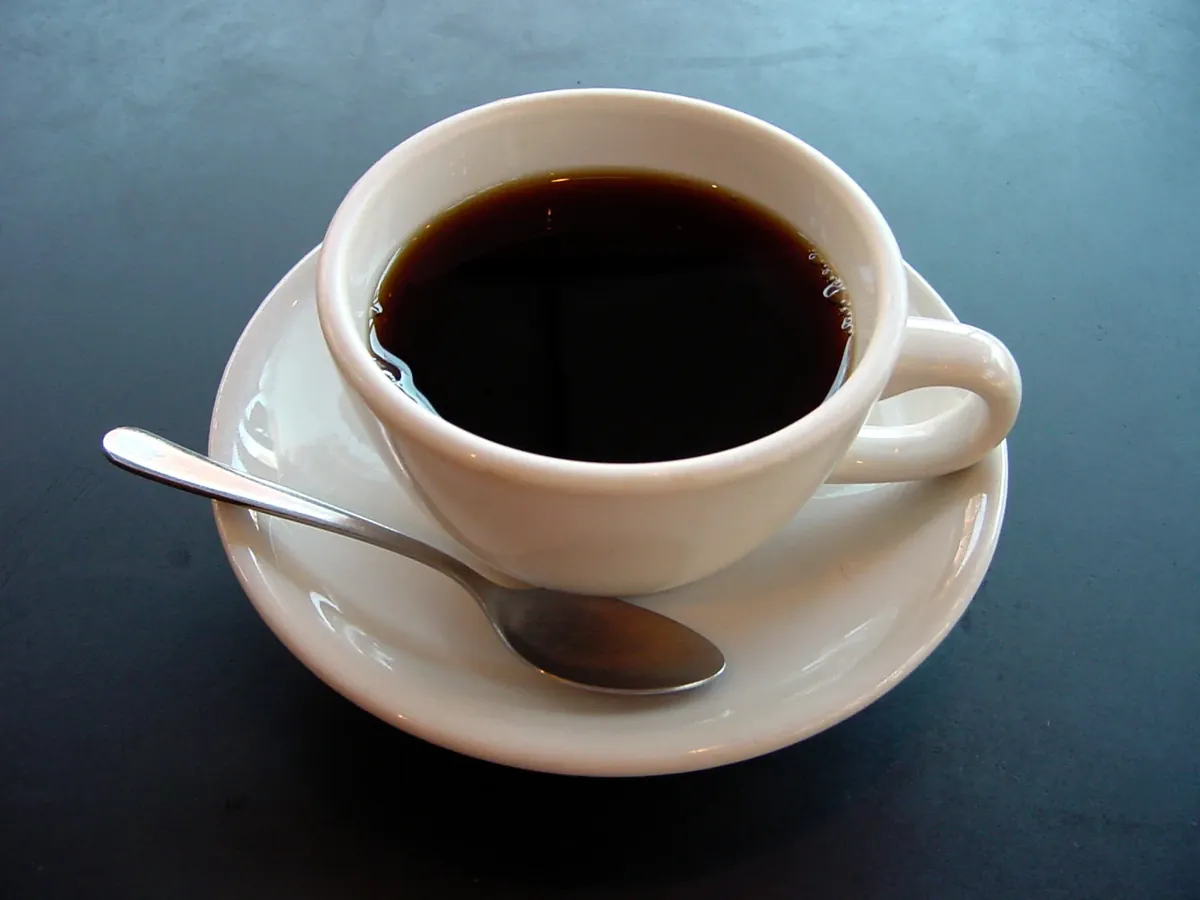
Caffeine content varies by preparation, but broadly established reference values allow a meaningful comparison. One standard serving of ceremonial-grade matcha uses 2g of powder, which contains approximately 70mg of caffeine. A single 30ml shot of espresso contains approximately 63mg of caffeine. A 240ml cup of drip coffee contains approximately 95mg of caffeine, with significant variation depending on roast, grind, and brewing parameters.
Matcha prepared with a standard 2g serving therefore falls between espresso and drip coffee in caffeine content. Those who perceive matcha as lower-caffeine than coffee are comparing it to drip coffee, which is accurate. Those who say matcha has more caffeine per gram than coffee are also technically correct (matcha has approximately 35mg per gram of powder vs approximately 12mg per gram of ground coffee), but the relevant comparison is per serving, not per gram, since the serving sizes are dramatically different.
A matcha latte made with 4g of matcha powder (as many commercial preparations use) contains around 140mg of caffeine, which exceeds most espresso drinks. The caffeine level of matcha is therefore highly preparation-dependent, and the assumption that it is always lower than coffee is not reliable.
L-Theanine: The Key Difference
The most significant pharmacological difference between matcha and coffee is L-theanine, an amino acid found almost exclusively in tea plants and in certain mushroom species. A standard 2g serving of ceremonial-grade matcha contains approximately 20 to 45mg of L-theanine, with shade-grown varieties at the higher end of that range. Coffee contains essentially no L-theanine.
L-theanine affects brain activity in measurable ways. At doses of 50 to 200mg, it increases alpha brain wave activity, a pattern associated with relaxed but alert mental states. When combined with caffeine, several controlled trials have found synergistic effects on cognitive performance measures. A 2008 double-blind, placebo-controlled trial published in Biological Psychology (Owen et al., 2008) tested 100mg L-theanine combined with 50mg caffeine and found significantly improved accuracy on demanding cognitive tasks and reduced susceptibility to distraction compared to caffeine alone or placebo. A 2014 study in Nutritional Neuroscience (Giesbrecht et al.) found that the L-theanine and caffeine combination improved reaction time, memory, and visual processing while reducing self-reported tiredness more than caffeine alone.
The mechanism is interaction at multiple receptor sites: caffeine blocks adenosine receptors, increasing alertness; L-theanine modulates GABA and glutamate receptors, producing calming effects that balance without blunting the alerting properties of caffeine. The net result, described consistently across these studies, is what matcha drinkers often report as "calm alertness" or focused energy without the jitteriness or anxiety that some people experience from coffee alone.
EGCG: Matcha's Distinctive Health Compound
Epigallocatechin gallate (EGCG) is the most studied catechin in green tea and is present in matcha at concentrations far higher than in steeped green tea. A 2003 study published in the Journal of Chromatography A found that matcha contained approximately 137 times the EGCG content of commercially available steeped green tea. A single 2g serving of matcha provides approximately 50 to 100mg of EGCG.
EGCG has been studied extensively for its effects on fat oxidation, inflammation, and cancer cell behaviour. A 2008 meta-analysis published in the International Journal of Obesity found that green tea catechins combined with caffeine significantly increased fat oxidation and energy expenditure compared to caffeine alone, with an average of 3 to 4% additional energy expenditure over 24 hours. Anti-inflammatory effects of EGCG are well-documented in cell culture studies. In vitro (cell culture) studies have consistently shown that EGCG inhibits the growth of cancer cell lines through multiple mechanisms, including apoptosis induction and VEGF pathway inhibition, though it is important to note that in vitro activity does not translate directly to clinical cancer prevention in humans. The human epidemiological data on green tea and cancer risk reduction is suggestive but not conclusive.
Coffee's Health Advantages
Coffee has a substantially larger body of human clinical and epidemiological evidence than matcha, primarily because it has been more widely consumed for longer and has therefore been the subject of more large-scale studies. Its most robustly documented health associations include a protective effect against liver cirrhosis and liver cancer (a 2017 meta-analysis in BMJ Open found a 44% reduction in cirrhosis risk with two cups per day), a reduced risk of Parkinson's disease (a 2002 study in JAMA found that men who drank four to five cups daily had a 40 to 50% lower risk than non-drinkers), and a reduced risk of Type 2 diabetes (a 2014 meta-analysis in Diabetes Care found that each additional cup of coffee per day was associated with a 6% reduction in diabetes risk).
Matcha has not been studied in equivalently large human populations for these outcomes. The green tea research (which uses steeped tea, not matcha specifically) suggests some similar patterns for cardiovascular and metabolic health, but the direct evidence for matcha in human populations at the scale of the coffee liver disease research does not exist.
When to Choose Matcha
Matcha is the better choice for sustained, focused work that requires attention and concentration over several hours without significant anxiety or jitteriness. The L-theanine modulation of the caffeine effect produces a plateau of alertness rather than a spike, which many people find more comfortable for creative work, writing, studying, or tasks requiring patience. People who are sensitive to caffeine and experience anxiety, heart palpitations, or sleep disruption from coffee often tolerate matcha better at comparable caffeine doses, likely because of the L-theanine effect.
Matcha is also the better choice for people who want a beverage with meaningful antioxidant and anti-inflammatory compounds alongside their caffeine. The EGCG content is not achievable from coffee in the same quantities. For people with anxiety disorders or generalised caffeine sensitivity, matcha prepared at a standard 2g dose (not 4g commercial lattes) may offer a workable caffeine source without the physiological stress response that coffee produces in sensitive individuals.
When to Choose Coffee
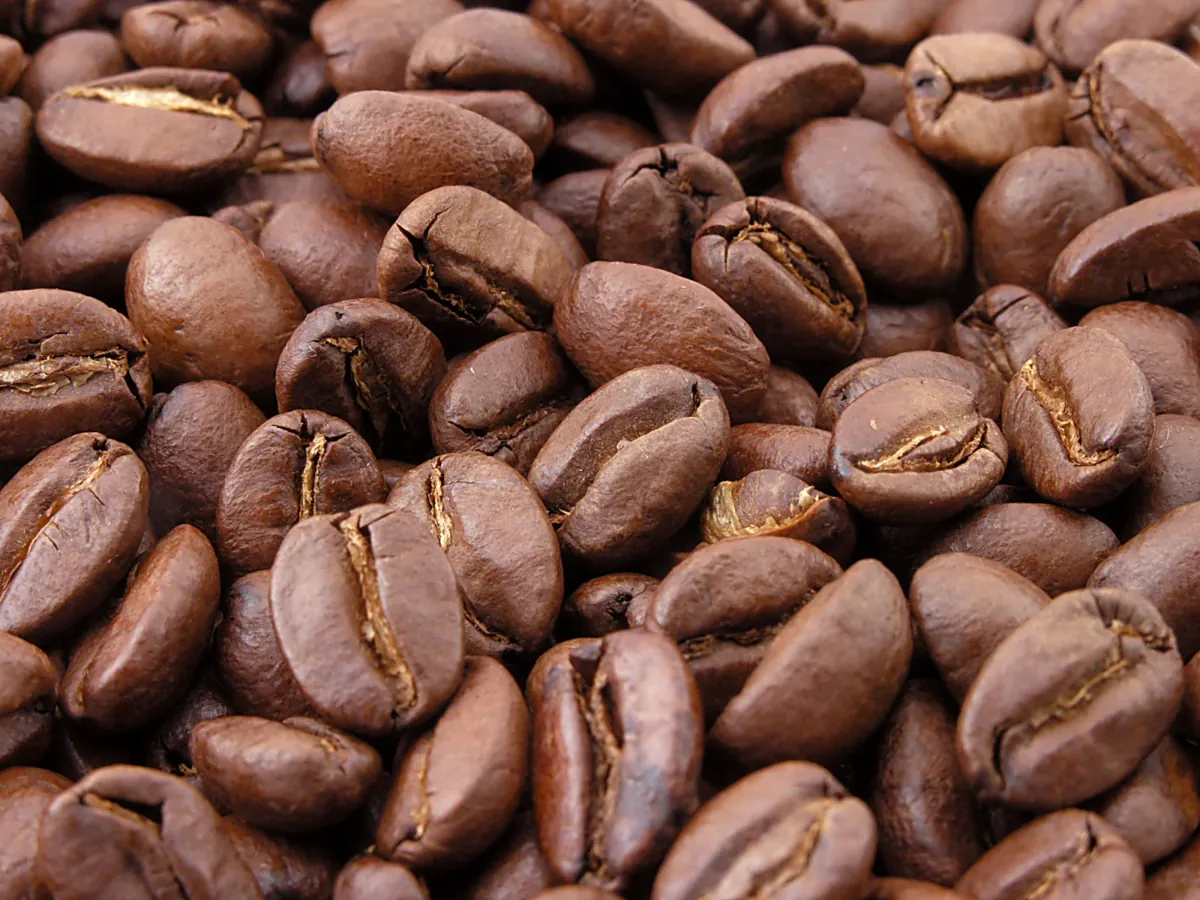
Coffee is the better choice for maximum immediate alertness, for athletic and physical performance, and for the documented liver and metabolic health associations. Pre-workout, coffee's higher caffeine per serving (drip coffee) and faster onset profile make it more effective than a single matcha serving for physical performance enhancement. The body of human clinical evidence for coffee's health benefits is simply larger and more robust than the evidence for matcha.
Coffee is also dramatically cheaper. Ceremonial-grade matcha costs approximately $25 to $60 for 30g, which makes 15 standard 2g servings at a cost per serving of $1.67 to $4. Quality filter coffee from good single-origin beans costs $10 to $20 for 250g, making 15 to 20 filter cups at $0.50 to $1.30 per cup. For daily habitual consumption, coffee is far more affordable.
Ceremonial vs Culinary Grade Matcha
Ceremonial-grade matcha is made from the youngest leaves of the first harvest (ichibancha), shade-grown, and stone-ground to a very fine powder. It is bright green, smooth in texture, and intended to be consumed as a simple preparation (whisked with hot water alone). It has the highest L-theanine and EGCG content. Premium ceremonial matcha from established Japanese producers such as Ippodo, Marukyu Koyamaen, or Matchabar costs $30 to $80 per 30g tin.
Culinary-grade matcha uses later harvests, may include leaves from the entire plant rather than just young tips, and is typically darker green or olive-toned with a more astringent flavour profile. It is intended for cooking and baking, where its flavour is mixed with other ingredients. Using culinary-grade matcha in a drink produces an inferior result, particularly if consumed plain: it is significantly more bitter and lacks the umami complexity of ceremonial grade. For lattes where the matcha is mixed with milk and sweetener, culinary grade is more economical and acceptable. For traditional preparation, ceremonial grade is worth the premium.
Related: Mushroom Coffee: Lion's Mane, Chaga, and What Adaptogens Actually Do | Coffee and Liver Health: The Strongest Protective Effect in Nutrition Research