The combination of coffee and alcohol is ancient: monks in medieval European monasteries added wine or spirits to coffee as medicine; 17th-century Ottoman coffeehouses served coffee with raki; 18th-century European aristocracy kept their coffee warm with brandy on cold mornings. But the modern tradition of the coffee cocktail — a craft built around the intersection of coffee culture and bartending — begins in two specific moments: a stormy night at Foynes flying boat terminal in Ireland in 1943, and a London bar in the Soho of 1983. These two events — the Irish coffee and the espresso martini — are the alpha and omega of the genre, and almost everything in between draws from one or both of them.
Irish Coffee: The Original and the Ideal
The Irish coffee was invented in the winter of 1943 by Joe Sheridan, head chef at the Foynes flying boat terminal in County Limerick, Ireland. Foynes was at that time the western gateway of transatlantic aviation — the terminal where passengers from New York arrived in Europe by flying boat, a cold, exhausting journey that left them in need of warming. When a flight returned to Foynes one night after attempting to depart in bad weather, Sheridan prepared a hot coffee with Irish whiskey and sugar, topped with a layer of lightly whipped cream. A passenger asked if it was Brazilian coffee. Sheridan reportedly said: "No, that's Irish coffee."
The drink reached American audiences through travel writer Stanton Delaplane, who encountered it at Shannon Airport (which replaced Foynes in 1945) in 1952, brought the recipe to Jack Koeppler at the Buena Vista Café in San Francisco, and helped perfect it. The Buena Vista has served Irish coffees since 1952 and makes approximately 2,000 per day — pouring 65,000 bottles of Irish whiskey annually for the purpose. The recipe at Buena Vista: a heated glass, two sugar cubes, hot coffee, a measure of Irish whiskey (Tullamore D.E.W. by their current formulation), and cream "aged for 48 hours and whipped to the consistency of a good joke" (the phrase is attributed to Koeppler). The cream must float — not sink, not be stirred in. The drinker sips the hot coffee through the cool cream, the temperature contrast and the fat of the cream carrying the whiskey aromatics to the nose while the bitter coffee lies below.
The Irish coffee's brilliance is structural: the hot and cold layers, the bitter and rich, the stimulant and the sedative existing in the same glass. It is a cocktail built on contrast rather than integration.
The Espresso Martini: Born in a London Emergency
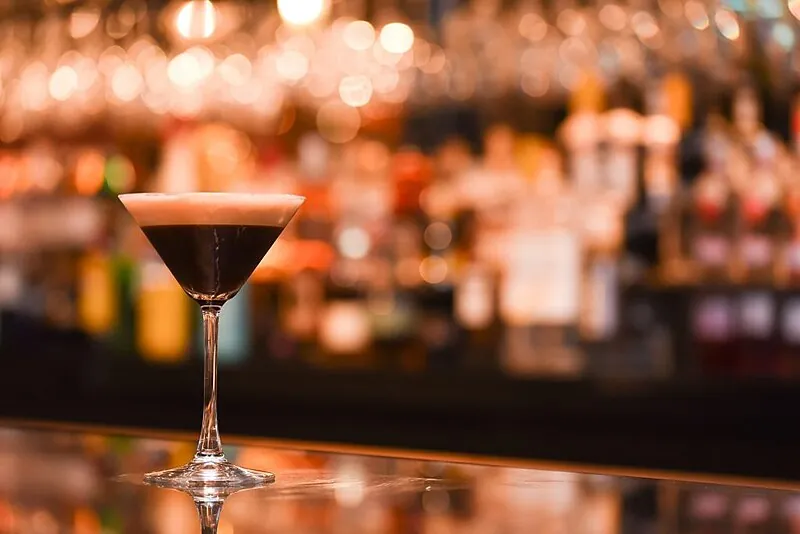
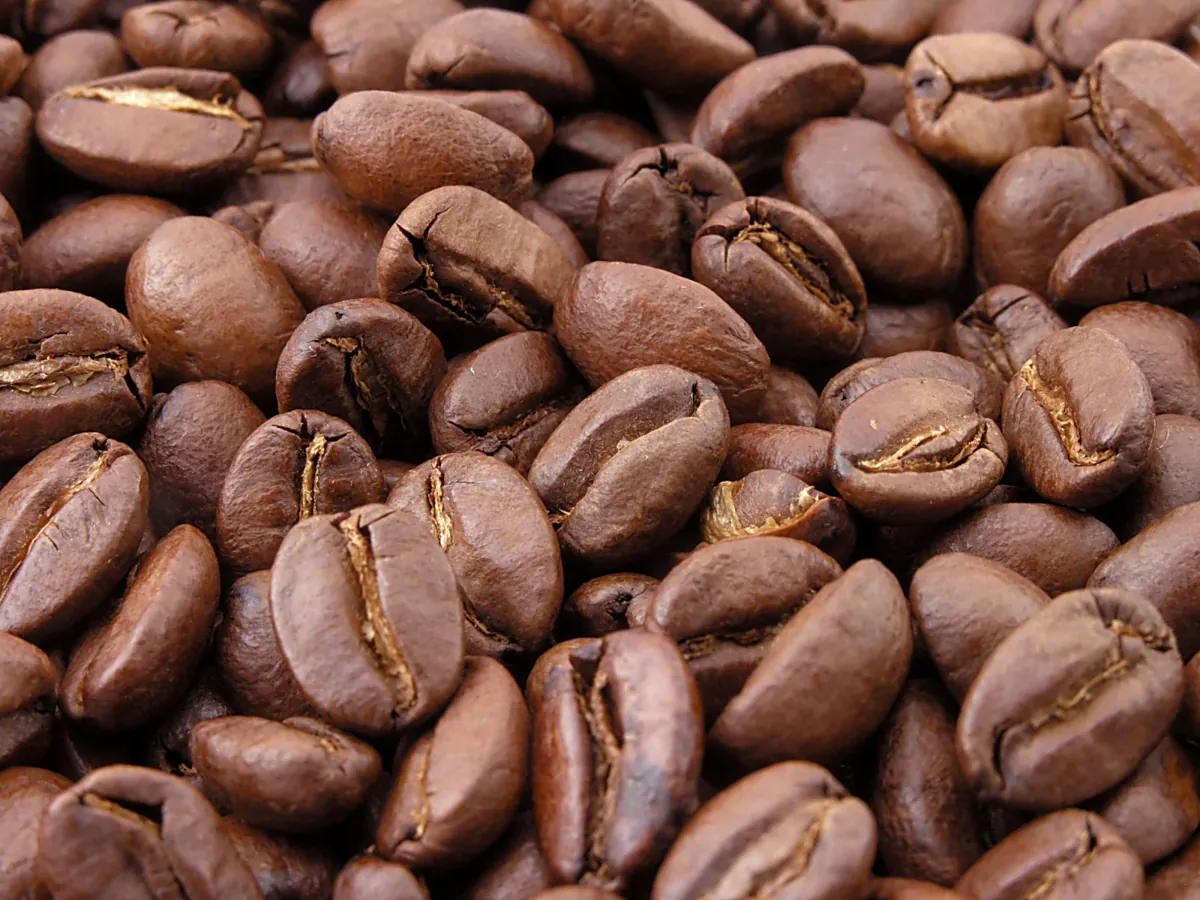
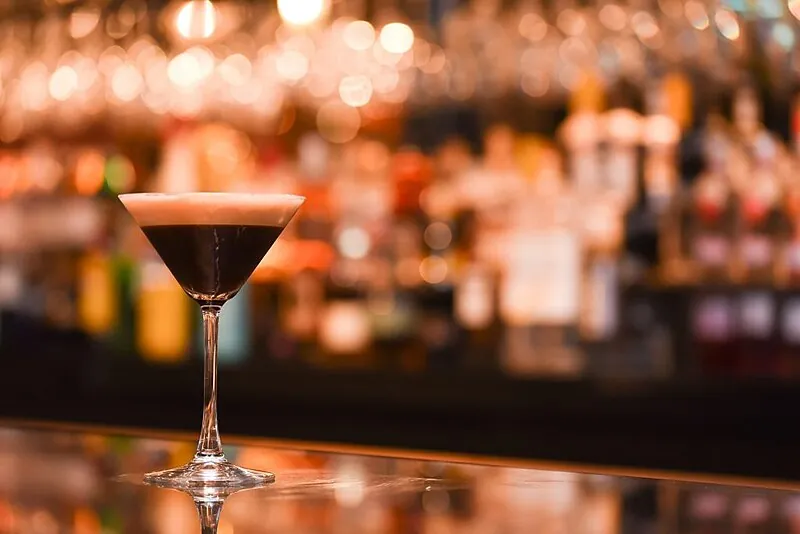
The origin story of the espresso martini is told with variation but the core is consistent: in 1983, at the Soho Brasserie in London, a young woman (widely but not conclusively identified as a fashion model) sat at the bar tended by Dick Bradsell — one of the most influential bartenders in British cocktail history — and asked for "something that will wake me up and then f*** me up." Bradsell, working near an espresso machine, pulled a shot, combined it with vodka and a coffee liqueur (in some accounts Kahlúa, in others a house liqueur), added sugar syrup, shook it hard over ice, and strained it into a cocktail glass. The foam produced by the shaking of the espresso — the crema, agitated and aerated — settled on the surface of the drink. Three coffee beans were placed on top (in Italian café tradition, three beans represent health, happiness, and prosperity).
The drink was originally called the Vodka Espresso, later renamed the Pharmaceutical Stimulant, and eventually standardised as the Espresso Martini — a name it does not technically deserve (it contains no gin or vermouth, the defining ingredients of a martini, and is served in a martini glass only by shape). The name stuck because the vessel gave the drink its visual identity: the black liquid, the white foam, the three coffee beans, in the iconic V-shaped glass.
The espresso martini had a significant commercial revival beginning around 2018–2022, when it became the most-ordered cocktail in many UK and Australian bars. Its appeal is transparent: the caffeine addresses the concern about drinking at the start of an evening; the vodka delivers the alcohol effect without a strong flavour competing with the coffee; the foam and the glass make it photogenic; and the flavour — sweet, bitter, cold, rich — is broadly accessible. It is the rare cocktail that works both for coffee lovers (who appreciate the espresso quality) and those who don't particularly like coffee (who are seduced by the sweetness and coldness).
The essential version: 50ml vodka, 35ml freshly pulled espresso (cooled briefly), 15ml Kahlúa or quality coffee liqueur, 10ml simple syrup. Shake vigorously over ice (the vigour is essential — it produces the foam). Double strain into a chilled cocktail glass. Three coffee beans.
Coffee Liqueurs: The Mixologist's Foundation
Kahlúa
The world's best-selling coffee liqueur, Kahlúa — produced in Veracruz, Mexico, since 1936 — is made with Mexican arabica coffee, sugarcane spirit, vanilla, and caramel. Its flavour profile is sweet, roasted, with prominent vanilla and a medium coffee intensity at its standard bottling (16% ABV). Kahlúa is the foundational coffee liqueur of the cocktail industry, appearing in White Russians, Black Russians, Mudslides, and the espresso martini. Its sweetness (it contains approximately 67g of sugar per 100ml — very high) makes it effective as both a sweetener and a flavour element in cocktails.
Tia Maria
Tia Maria — produced in Jamaica since the 1940s, now made in Italy — uses Jamaican Blue Mountain coffee as its base flavour, combined with Jamaican rum and vanilla. Its coffee character is more intensely bitter than Kahlúa, with less dominant sweetness (ABV: 20%), making it a slightly drier, more coffee-forward liqueur. Tia Maria is the preferred choice for many bartenders who want less sweetness in their coffee cocktails.
Mr Black (Australia)
Mr Black Cold Brew Coffee Liqueur — launched in Australia in 2013 by distiller Tom Baker and coffee specialist Philip Moore — represents the specialty coffee generation's answer to Kahlúa: a cold brew coffee concentrate combined with Australian grain spirit at 25% ABV, with significantly less sugar than traditional coffee liqueurs. The result is a drier, more genuinely coffee-flavoured liqueur that has become the preferred base for specialty bar espresso martinis globally. Mr Black has done more than any single product to elevate the coffee liqueur category from sweetener to genuine flavour contributor.
Classic Coffee Cocktails Worth Knowing
- White Russian: Equal parts vodka, Kahlúa, and heavy cream over ice — the drink of Jeffrey Lebowski (The Dude) in the Coen Brothers' 1998 film, which gave the cocktail a cultural moment that dramatically increased its sales. Simple, rich, slightly dessert-like.
- Black Russian: As above, without the cream — 50ml vodka, 35ml Kahlúa, over ice. Drier, more coffee-forward.
- Carajillo: The Spanish version of coffee with alcohol — traditionally espresso with a shot of licor 43 (a sweet Spanish liqueur with 43 botanicals), now evolving into a craft cocktail with various spirits. The carajillo is the standard post-lunch coffee-and-alcohol combination in Spanish café culture, served in a small glass.
- Pharisäer: A Northern German drink (from the island of Nordstrand, Schleswig-Holstein) — strong black coffee with rum, topped with whipped cream and sugar. The name ("Pharisee") derives from an apocryphal story about a local pastor who didn't know his parishioners were adding rum to their coffee at a church event in 1872.
- Café de Olla: Mexican spiced coffee brewed in a clay pot with piloncillo (unrefined brown sugar), cinnamon, and cloves — not always alcoholic, but traditionally accompanied by a shot of mezcal or brandy added at the table. The flavour combination of cinnamon-spiced coffee with smoky mezcal is one of the most interesting in the coffee-spirits intersection.
The Cold Brew Cocktail Movement
The specialty coffee industry's embrace of cold brew — coffee extracted with cold water over 12–24 hours, producing a concentrate with low acidity and high caffeine — has created a new category of cocktail ingredients. Cold brew concentrate (typically 4:1 strength, to be diluted before drinking) is used by bartenders as a flavour ingredient with more complexity than coffee liqueur and less sweetness — it can replace some of the sweetening agent in a cocktail, replacing simple syrup with coffee complexity. The cold brew Negroni (replacing the sweet vermouth with cold brew concentrate and a small amount of coffee liqueur) is one of the more intriguing recent developments in the coffee-cocktail intersection.
Related: Coffee and Ice Cream: The Greatest Cold Combination | Coffee in Food: Beyond the Cup