Coffee and alcohol have been combined since at least the seventeenth century, when Ottoman coffeehouses were occasionally spiked with araq and European colonists discovered that a shot of spirits into hot coffee produced warmth, energy, and conviviality simultaneously. But the modern canon of coffee cocktails is surprisingly young: the espresso martini dates to 1983, the Kahlúa recipe was commercialized in 1936, and the White Russian's cultural peak was the 1998 release of The Big Lebowski, which turned an obscure 1960s drink into a generational touchstone. Together these drinks define a category that is currently experiencing a global revival, driven by a generation of bartenders who now approach coffee with the same ingredient rigor they apply to spirits, vermouth, and bitters. This guide covers the origins, recipes, and home-preparation techniques for the canon's most important entries.
The Espresso Martini: Dick Bradsell's Accidental Classic
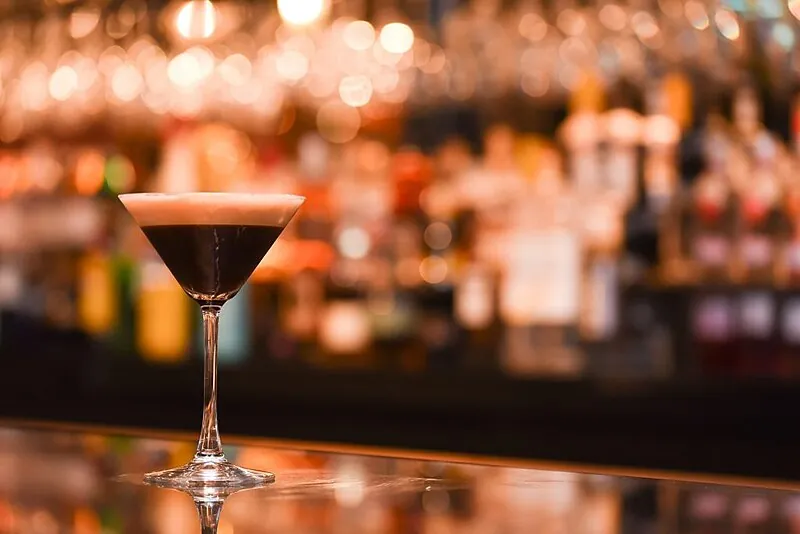
The espresso martini was created in London in 1983 by bartender Dick Bradsell at the Soho Brasserie, according to the account Bradsell gave in multiple interviews before his death in 2016. The circumstances, as Bradsell told it, were these: a young model (widely rumored to be Kate Moss, though she has neither confirmed nor denied this) approached the bar and asked for something to "wake me up and then f*** me up." Bradsell, who was working next to an espresso machine, combined freshly pulled espresso with vodka, coffee liqueur, and sugar syrup, shook it hard over ice to create the drink's distinctive foam head, and strained it into a martini glass. The model approved. The drink, then called the Vodka Espresso, spread through London's cocktail bars through the 1980s and was later renamed the Espresso Martini when shaken-and-strained drinks were fashionably suffixed with "martini" during the 1990s cocktail revival.
The drink's defining characteristic is its foam: a dense, crema-like head created by the vigorous shaking of hot espresso with ice, which emulsifies the coffee's oils and proteins into a persistent surface layer. This foam is why the espresso martini requires a freshly pulled espresso rather than cold brew or filter coffee; only espresso's emulsified oils produce the textural foam that makes the drink visually distinctive. The traditional garnish is three coffee beans arranged in a triangle, representing health, wealth, and happiness according to Italian coffee tradition (borrowed from the sambuca con la mosca convention).
Classic Espresso Martini Recipe
- 50 ml (1.75 oz) vodka
- 25 ml (0.9 oz) coffee liqueur (Kahlúa or Mr Black)
- 30 ml (1 oz) freshly pulled double espresso, cooled for 30 seconds
- 10 ml (0.35 oz) simple syrup (adjust to taste)
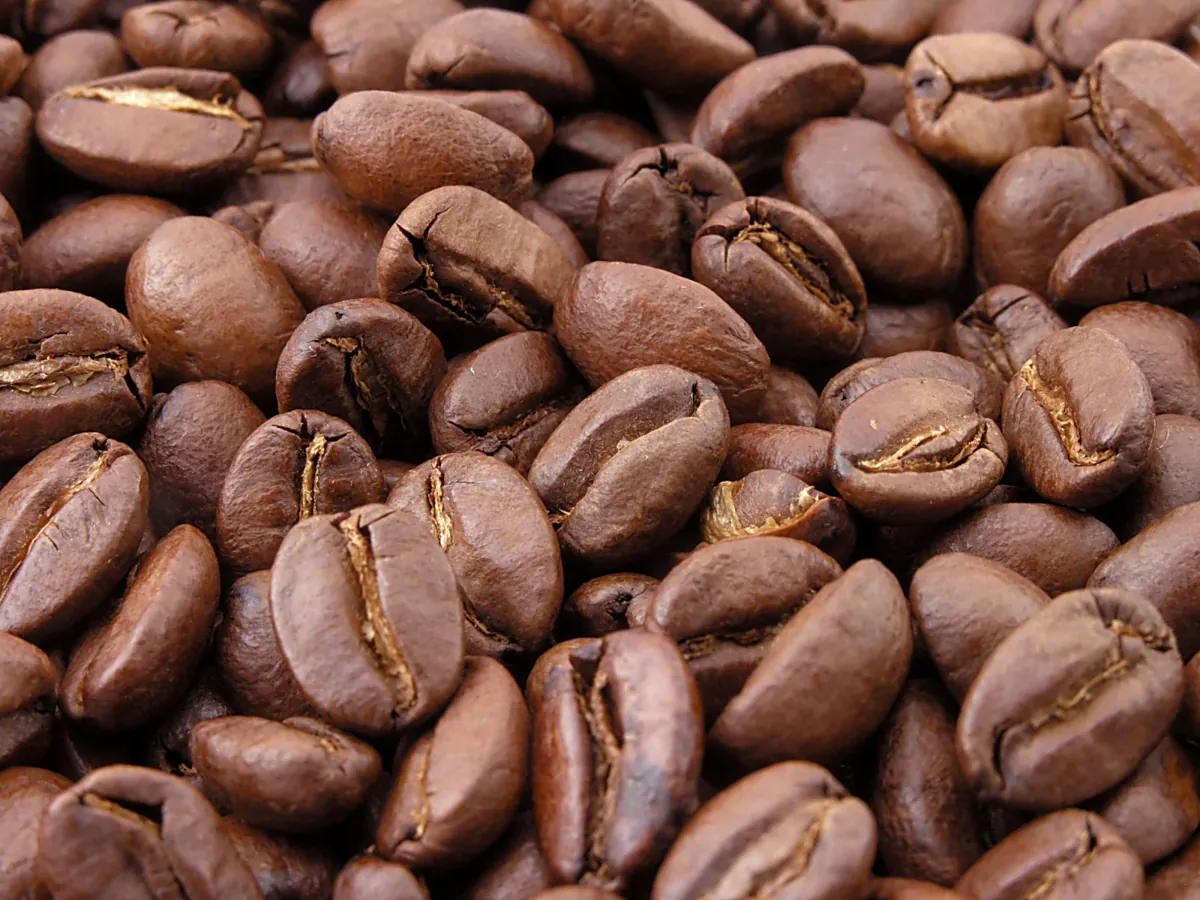
Combine all ingredients in a cocktail shaker with plenty of ice. Shake vigorously for 12 to 15 seconds (longer than you think necessary). Double-strain through a fine mesh strainer into a chilled coupe or martini glass. Garnish with three coffee beans. The key is shaking hard: the foam requires mechanical emulsification, and a gentle shake produces a thin, disappointing head. For best results, use an espresso with high crema content, typically a medium-dark roast with significant Robusta content, as Robusta's higher protein content produces more stable foam than pure Arabica.
Kahlúa: A Mexican Liqueur with a Complex History
Kahlúa is a rum-based coffee liqueur produced in Veracruz, Mexico, using Arabica coffee beans grown in the Veracruz region, cane spirits, vanilla, and caramel. The brand was created in 1936 by Señor Blanco, a Spanish immigrant to Mexico, who developed the recipe using locally grown coffee. The name derives from the Veracruz dialect of the Totonac language, in which "Kahlúa" is said to mean "House of the Acolhua people," though the brand's historical claims about this etymology have been disputed by linguists. Kahlúa was acquired by Jules Berman and partners in the 1940s, exported to the United States after World War II, and eventually became part of the Pernod Ricard portfolio, which owns it today.
Modern Kahlúa contains 20 percent alcohol by volume (ABV), is significantly sweeter than most competing coffee liqueurs (approximately 33 grams of sugar per 100 ml), and has a flavor profile dominated by roasted coffee, vanilla, and caramel rather than pure espresso intensity. The sweetness makes it well-suited to cocktails where it functions as both the coffee element and the sweetener, as in the White Russian and Black Russian. Competitors in the coffee liqueur market include Mr Black (an Australian brand launched in 2013 with 25% ABV and a more intense, less sweet coffee flavor preferred by the craft cocktail community), Tia Maria (a Jamaican Blue Mountain coffee-based liqueur with 20% ABV), and Patrón XO Café (a tequila-based coffee liqueur at 35% ABV).
The White Russian and Black Russian
The Black Russian, the simpler of the two related drinks, was created in 1949 by Gustave Tops, a Belgian bartender at the Hotel Metropole in Brussels, for Perle Mesta, the U.S. Ambassador to Luxembourg. It is simply 50 ml vodka and 25 ml Kahlúa poured over ice in an old-fashioned glass. The White Russian adds heavy cream or whole milk (typically 30 to 50 ml) floated on top of the Black Russian, creating a layered drink that is consumed without stirring to allow the cream to gradually mix with the coffee-vodka base as the ice melts.
The White Russian's modern cultural prominence is almost entirely attributable to the Coen Brothers' 1998 film The Big Lebowski, in which Jeff Bridges's character "The Dude" consumes the drink in virtually every scene. Before the film, the White Russian was considered an obsolete 1970s drink, associated with suburban kitsch and out-of-date cocktail sensibilities. After it, the drink became a cult object, and its sales doubled within five years of the film's release. The White Russian has since been partially rehabilitated by bartenders who improve it with freshly pulled espresso in place of or alongside Kahlúa, or by substituting higher-quality cream or cold-brew coffee concentrate for some of the liqueur's sweetness.
Classic White Russian Recipe
- 50 ml (1.75 oz) vodka
- 25 ml (0.9 oz) Kahlúa
- 30 ml (1 oz) heavy cream or whole milk
Fill an old-fashioned glass with ice. Pour vodka and Kahlúa over the ice and stir briefly to combine. Float the cream gently over the back of a spoon to create a distinct layer. Serve without a straw to encourage the cream-to-liquid transition as the drink is consumed.
Irish Coffee: The Original Hot Coffee Cocktail
Irish coffee predates the espresso martini by four decades and has a cleaner origin story. It was created in November 1943 by Joe Sheridan, head chef at Foynes Flying Boat Terminal in County Limerick, Ireland, when a flight from New York was turned back by severe weather and exhausted, cold passengers returned to the terminal. Sheridan added Irish whiskey to hot coffee, topped it with lightly whipped cream, and served it to the shivering travelers. When an American passenger asked if it was Brazilian coffee, Sheridan replied: "No, that's Irish coffee." The drink was introduced to the United States by travel writer Stanton Delaplane, who brought the recipe to the Buena Vista Café in San Francisco in 1952. The Buena Vista has since served over 30 million Irish coffees and is the drink's most famous home in America.
Classic Irish Coffee Recipe
- 40 ml (1.5 oz) Irish whiskey (Jameson, Tullamore D.E.W., or Bushmills are standard)
- 150 ml (5 oz) hot, strong filter coffee
- 1 tsp brown sugar
- 30 ml (1 oz) lightly whipped cream
Preheat a stemmed glass with boiling water and discard. Dissolve brown sugar in the hot coffee in the preheated glass. Add whiskey and stir. Float lightly whipped cream (whipped only to the point where it holds its shape loosely, not stiff) over the back of a spoon. Do not stir after adding cream: the drink is consumed through the cream, which provides the textural contrast that defines the Irish coffee experience. The Buena Vista uses a proprietary cream-whipping technique that aerates the cream less than standard whipping, producing the characteristic spoonable float that remains distinct throughout the drink.
Other Coffee Cocktails Worth Knowing
Beyond the canonical three, several other coffee cocktails have entered mainstream circulation. The Pharisee originated in the North Frisian Islands of Germany in the nineteenth century: rum added secretly to coffee at a church gathering, covered with whipped cream to conceal the aroma from a watchful pastor. The Café de Olla is a Mexican spiced coffee often spiked with mezcal or tequila in cocktail form, combining cinnamon, piloncillo, and agave spirits in ways that showcase Mexican coffee and spirits traditions simultaneously. The Coffee Negroni replaces the sweet vermouth in a classic Negroni with cold brew coffee concentrate (typically 1:1 gin, Campari, and cold brew, stirred over ice), producing a bitter, caffeinated variation that has become a bartender favorite at craft cocktail bars in New York, London, and Melbourne. The Revolver, created by Jon Santer in San Francisco in 2004, combines bourbon, Kahlúa, and a touch of orange bitters for a whiskey-coffee cocktail that sits closer to the Old Fashioned family than the martini family.
Home Bartending Tips for Coffee Cocktails
The most important equipment investment for coffee cocktails at home is a quality espresso source. A pod machine (Nespresso Vertuo or Original) produces espresso adequate for cocktails at a fraction of the cost of a dedicated espresso machine, and the convenience makes fresh espresso available without a lengthy brewing setup. For cold applications like the White Russian, cold brew concentrate (available from brands like Chameleon, Wandering Bear, or homemade at a 1:4 coffee-to-water ratio steeped for 16 hours) provides a more consistent result than reheated and chilled espresso. Always chill coupe or martini glasses in the freezer for at least 20 minutes before serving cold coffee cocktails: a warm glass melts the foam and dilutes the drink faster than intended. For cream floats in Irish coffee or White Russian variations, single cream (18% fat) rather than double cream (48% fat) creates a pour that floats more easily and blends more gracefully as the drink progresses.
Related: Irish Coffee: History and the Buena Vista Recipe | The Best Coffee Subscription Services in 2025