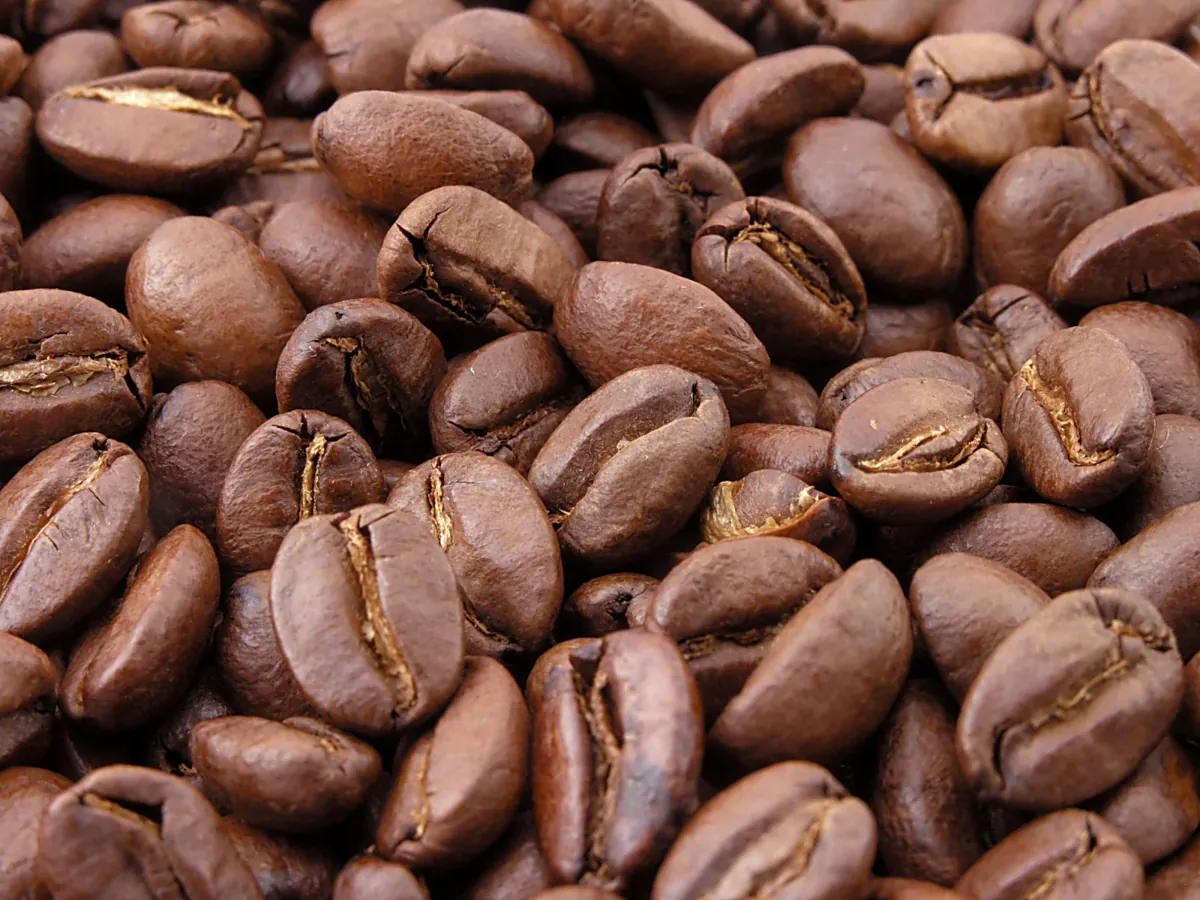
[Featured Image: Ca phe trung (egg coffee) in a small cup, served in a traditional Hanoi café. Alternatively, a Vietnamese phin filter dripping coffee over a glass of ice with condensed milk. Source: Unsplash.com, search "Vietnamese coffee egg" — free commercial licence.]
Vietnam is the world's second-largest coffee producer, and yet its coffee culture remains largely unknown internationally — overshadowed by the better-branded origins of Ethiopia, Colombia, and Brazil. This is a significant oversight. Vietnam's coffee scene is distinctive, inventive, and deeply embedded in daily life in a way that rivals even the great coffee cultures of Italy and Australia. And its most unusual creation — cà phê trứng, egg coffee — is one of the most delicious things you will ever drink.
The Phin Filter: Patience as a Brewing Method
The iconic instrument of Vietnamese coffee brewing is the phin — a small metal filter chamber that sits on top of a cup or glass. Medium-coarse ground coffee is placed in the phin, a perforated press plate is set on top, and hot water is poured in. The water drips through the grounds by gravity — slowly, over 4–6 minutes — into the cup below.
The phin produces a strong, concentrated, intensely flavoured coffee — naturally full-bodied from the metal filter (no paper to remove oils) and characteristically bold in flavour from the Robusta beans that dominate Vietnamese production. The ritual of watching the phin drip is itself part of the experience — Vietnamese café culture is emphatically not in a hurry.
Cà Phê Sữa Đá: The National Drink
The most consumed coffee in Vietnam: phin-brewed Robusta coffee over ice, with sweetened condensed milk at the bottom of the glass. The contrast between the bitter, intense coffee and the sweet condensed milk — mixed at the table just before drinking — is brilliant. The condensed milk base has a historical explanation: fresh dairy milk was scarce and expensive when French colonists introduced coffee to Vietnam in the 19th century; sweetened condensed milk became the practical and delicious substitute.
Cà Phê Trứng: Hanoi's Egg Coffee
Invented in Hanoi in the 1940s by barista Nguyễn Văn Giảng at the Sofitel Metropole Hotel (again, as a substitute for scarce milk), egg coffee is as simple as it sounds and as extraordinary as it seems impossible for something so simple to be:
- Robusta espresso (phin-brewed, very strong) in the bottom of a small glass or cup
- A thick, sweet, airy foam made from egg yolks whipped vigorously with condensed milk and sugar
- The foam floats on top of the coffee like a liquid tiramisu — because that is essentially what it is
The best egg coffee in Hanoi is served at Giảng Café (run by the family of the inventor, still at the original location on Nguyễn Hữu Huân street) and Café Đinh (a tiny café in a first-floor walk-up near Hoàn Kiếm Lake). Drink it with a small spoon, combining the foam and coffee as you go. It is the best $2 you will spend in Southeast Asia.
Hanoi's Old Quarter Café Culture
Hanoi's coffee culture lives in its alleys and stairwells. Cà phê cóc — pavement café — are low plastic stools, tiny cups, and the company of motorbikes and street activity at close range. The Old Quarter (36 Streets) is dense with both traditional cóc cafes and a growing number of excellent specialty shops.
Notable Hanoi specialty: Tranquil Books & Coffee (books + specialty filter coffee in a quiet courtyard), The Note Coffee (covered in thousands of sticky notes from visitors), and Cộng Cà Phê (retro Communist-era aesthetic, excellent coconut coffee — a younger Vietnamese take on the condensed milk tradition using coconut cream).
Ho Chi Minh City: The Modern Scene
Saigon (Ho Chi Minh City) has developed a more cosmopolitan coffee culture alongside its traditional coffee shops. Phúc Long (excellent milk tea and coffee) and Trung Nguyên Legend (the national coffee brand with multiple concept cafés) sit alongside a growing third-wave scene. The Nguyen Coffee Supply (Vietnamese-American brand) has bridged Vietnamese Robusta with specialty methods in ways that are changing how the origin is perceived internationally.
The Future: Specialty Vietnamese Coffee
Vietnamese specialty coffee is a nascent but rapidly growing movement. The highlands around Dalat and Cầu Đất produce Arabica at 1,500m+ altitude that is increasingly sought by specialty buyers. The challenge: Vietnam's coffee infrastructure was built entirely for commodity Robusta export, and pivoting toward specialty processing and quality-focused farming requires significant investment and time. But the trajectory is positive — Vietnamese coffee tourism, traceability-focused exporters, and a growing domestic specialty consumer class are all pointing in the right direction.
Related: Top 10 Coffee Producing Countries | Tokyo's Coffee Scene