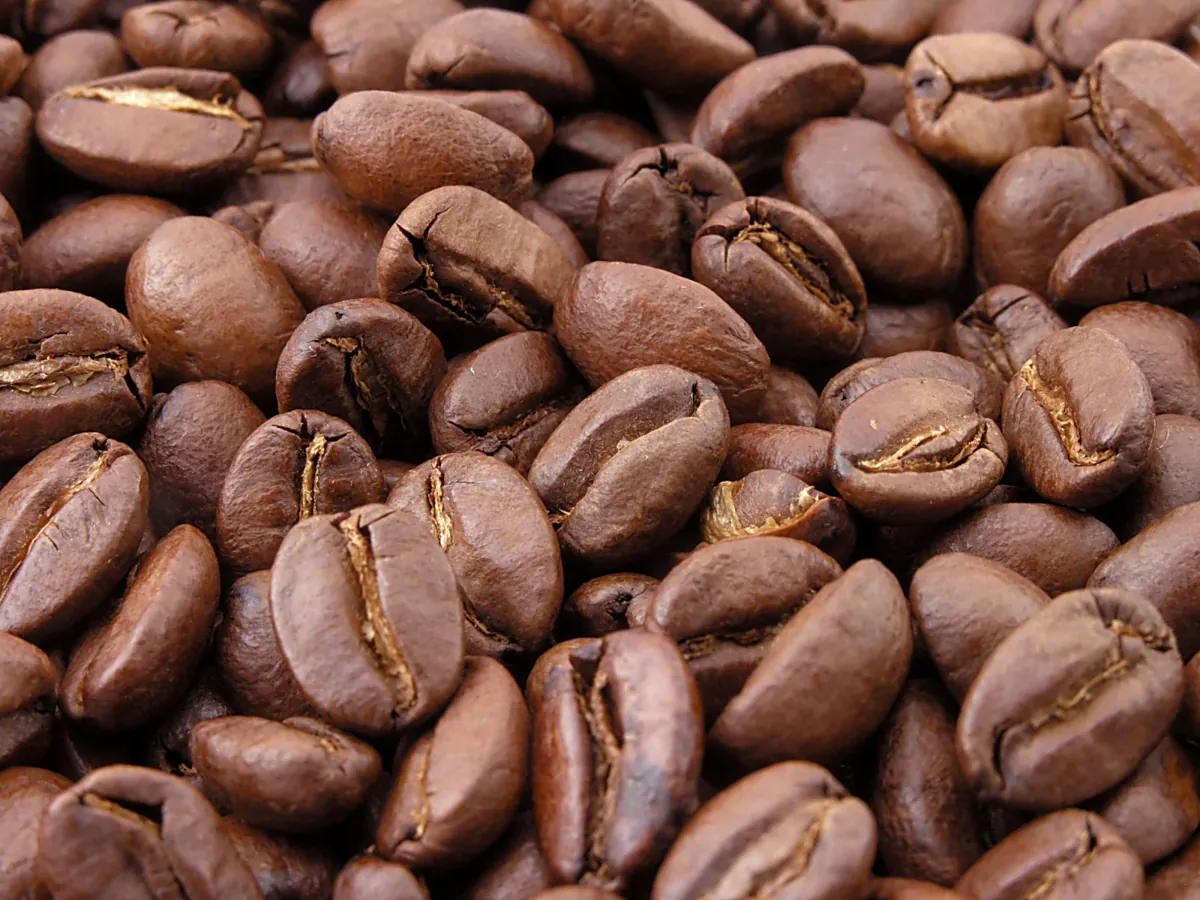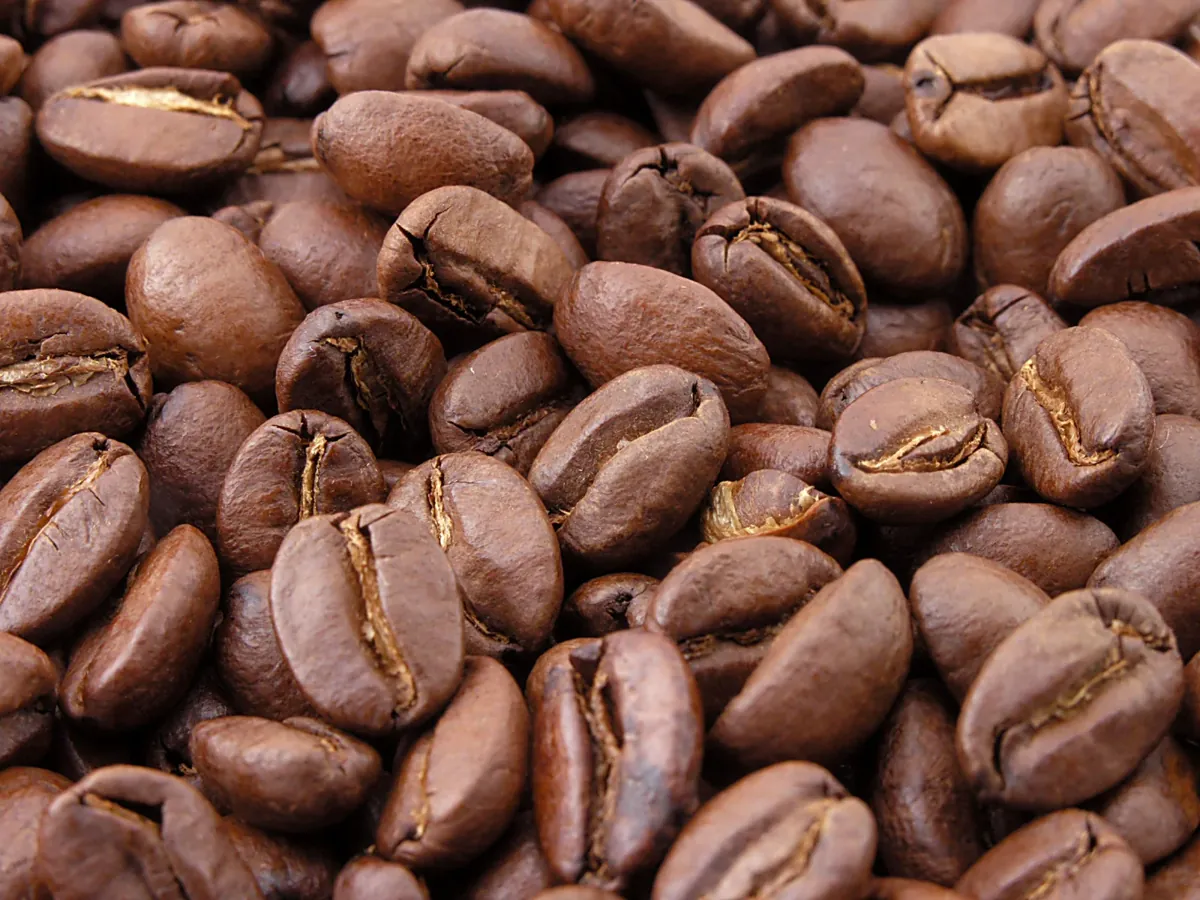
[Featured Image: A Tokyo barista preparing hand-drip coffee with meticulous care. Source: Unsplash.com, search "Japan coffee barista pour over" — free commercial licence.]
Tokyo may now be the world's most interesting coffee city. Not the largest, not the birthplace, not the one with the most shops — but the one where the attitude toward coffee most closely mirrors the Japanese approach to every craft: meticulous, respectful of process, attentive to the guest, and completely serious without being joyless. Visiting Tokyo without experiencing its coffee culture is like visiting Paris without wine.
The Japanese Coffee Tradition: Before Third Wave
Japan's sophisticated coffee culture predates the global third-wave movement by decades. The kissaten — traditional Japanese coffee houses — were already serving hand-drip coffee with extraordinary care in the 1960s and 70s. Master roasters like Ichiro Fukami (Fukami Coffee) were developing nuanced, slow-roasted profiles that Western specialty roasters would only "discover" thirty years later.
The kissaten culture emphasised silence, solitude, and the contemplative experience of a carefully prepared cup — values very different from the social, laptop-filled café culture of the West. Many Tokyo kissaten still operate today, some unchanged for 50 years, offering a kind of coffee time travel.
Essential Tokyo Cafes and Roasters
Fuglen Tokyo (Tomigaya)
The Tokyo outpost of the beloved Oslo roaster. Fuglen's spare Scandinavian aesthetic sits perfectly in Tomigaya, one of Tokyo's most quietly fashionable neighbourhoods. During the day it is a superlative specialty café; in the evenings it transforms into a cocktail bar. The single origins are always excellent, the filter coffee made with Norwegian-style care, and the terrace outside is one of Tokyo's best spots to watch the neighbourhood drift by.
Blue Bottle Coffee (Multiple Locations)
The California brand that launched the "third wave goes mainstream" conversation opened in Japan before many Western cities — and the Tokyo (and Kyoto) branches are considered among the best in the chain globally. The Aoyama flagship is the definitive café; the Shinjuku branch inside Isetan department store is an interesting exercise in coffee-as-luxury-retail.
Onibus Coffee (Nakameguro)
One of Tokyo's finest specialty roasters, with a small, wood-panelled space overlooking the Meguro River. Onibus sources thoughtfully from Ethiopia, El Salvador, and Brazil, and their direct-trade approach is genuine. The Nakameguro branch, particularly during cherry blossom season when the river below is lined with pink flowers, is one of Tokyo's great café experiences.
% Arabica (Multiple Locations)
The Hong Kong-origin brand has become a global phenomenon, and the Kyoto Higashiyama branch (overlooking a canal near Nanzen-ji) is among the most photographed cafes in the world. The Tokyo branches — Daikanyama, Roppongi — are more urban but equally focused on quality, with farm-to-cup Arabica sourced from their own Hawaiian farm.
Sarutahiko Coffee (Ebisu / Harajuku)
A beloved Tokyo independent roaster with multiple locations. The Ebisu branch has a stunning interior — long wooden bar, dim lighting, meticulous pour-over service. The roasting programme emphasises medium-light profiles that let origin character shine. A favourite of Tokyo's creative industries crowd.
Chatei Hatou (Shibuya)
The gold standard kissaten — unchanged for decades, run by master roaster Hatou-san with formidable perfectionism. Dark, wood-panelled, quiet, with a small but precise menu of single-origin hand drips made to order. This is old Tokyo coffee at its finest — and the antithesis of everything Instagram-friendly about modern café culture. That is entirely its point.
Tokyo Coffee Culture Tips
- Many cafes don't have Wi-Fi — and this is intentional. The kissaten tradition values the experience of being fully present.
- "Morning Set": Many traditional coffee shops offer a breakfast deal (coffee + toast + egg) at a remarkable price — often under ¥500 (under $4).
- Standing coffee bars (tachi-nomi): Several excellent roasters serve espresso at standing-only counters in transit areas — fast, excellent, and very Tokyo.
- Neighbourhood cafes vs. tourist areas: The best cafes are in Nakameguro, Tomigaya, Shimokitazawa, and Daikanyama — not in Shibuya or Shinjuku stations.
- Canned coffee vending machines: A parallel universe of Japanese coffee culture — Georgia and UCC brands have been making excellent canned coffee for decades. Try a hot can from a vending machine in winter. It is surprisingly good.
A City That Takes Coffee Seriously
Tokyo's coffee culture asks something of you: slow down, pay attention, let the cup be the point. In a city moving at extraordinary velocity in every other direction, the café provides stillness. And the coffee, prepared with that particular Japanese combination of technical precision and quiet hospitality, is almost always worth the pause.
Related: Melbourne's Flat White: How Australia Changed Coffee | Japan for Every Age