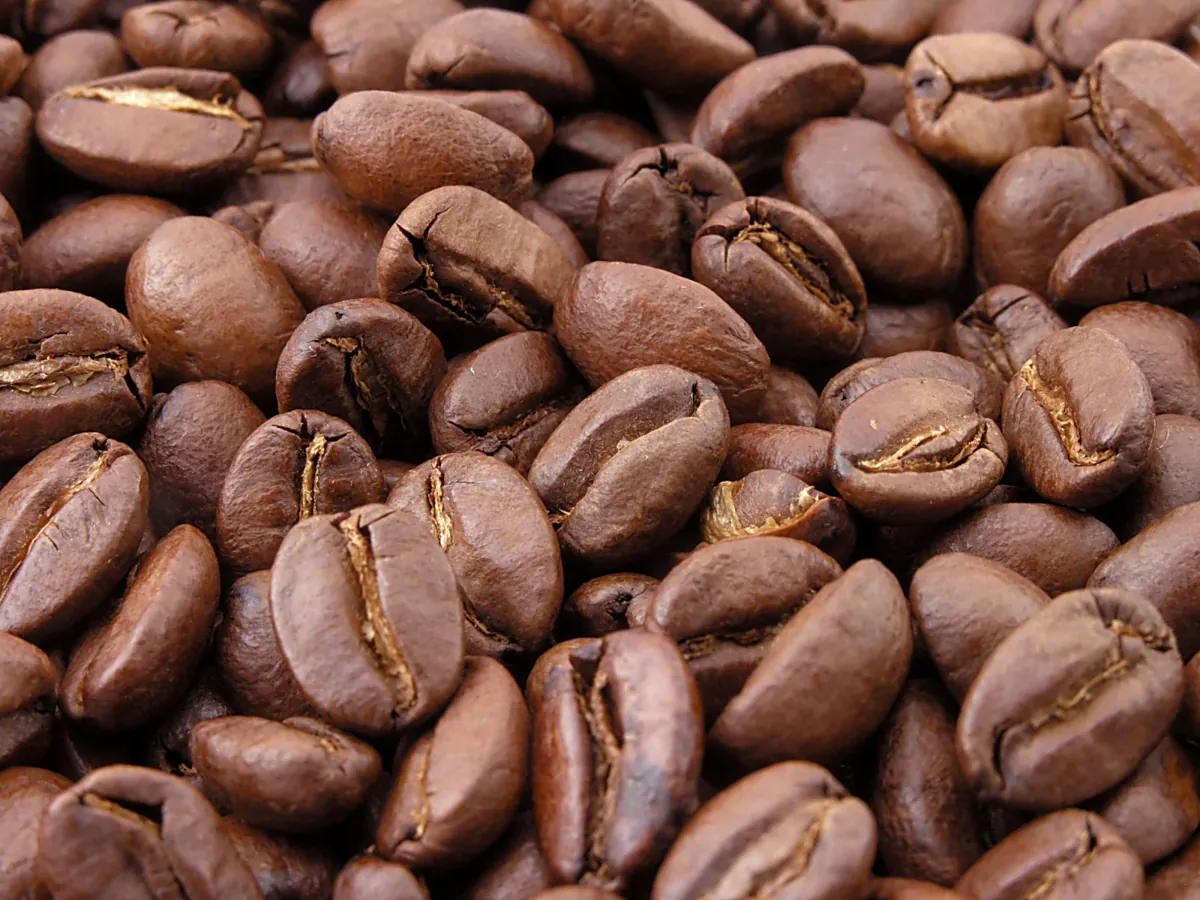
[Featured Image: A specialty coffee roaster weighing beans with precision, or a barista presenting a pour-over in a minimalist café setting. Source: Unsplash.com, search "coffee roaster specialty" — free commercial licence.]
The term "third wave coffee" was coined in 2002 by American roaster Trish Rothgeb, and it described something that was already visibly underway: a movement treating coffee not as a commodity or even a lifestyle accessory, but as an artisan agricultural product — with the same language of terroir, varietal, and producer relationships that the wine world had developed over centuries. The first wave made coffee universally available. The second wave (Starbucks, café culture) made it a daily ritual. The third wave asked: what if coffee could be as complex, as specific, and as worth discussing as wine?
The Three Waves Explained
First Wave (late 19th century–1960s): Coffee becomes a household commodity. Folgers, Maxwell House, instant coffee, percolators. Volume and convenience over quality. Coffee is functional.
Second Wave (1960s–2000s): Coffee becomes a lifestyle experience. Starbucks, Peet's Coffee, Caribou. Espresso drinks, café culture, the idea that coffee is worth spending more than $1 on. Dark roasts, milk-heavy drinks, branded experience over origin transparency.
Third Wave (2000s–present): Coffee as an artisan product. Origin transparency, producer relationships, lighter roasts to reveal terroir, brewing method precision, the café as a place for craft rather than just convenience.
The Pioneers
Three American roasters are most closely associated with launching the third-wave movement:
- Stumptown Coffee Roasters (Portland, Oregon, founded 1999): Pioneered direct trade relationships with farmers, paying premium prices for quality and making supply chain transparency part of the brand identity
- Intelligentsia Coffee (Chicago, 1995): Developed the "direct trade" model, establishing personal relationships with farmers and bypassing commodity market pricing
- Counter Culture Coffee (Durham, North Carolina, 1995): Strong emphasis on sustainability, education, and cupping culture
These three — collectively sometimes called the "Big Three" of third-wave — spread ideas through the industry: lighter roasting, single-origin sourcing, brewing precision, and the barista as a skilled craftsperson rather than a service worker.
What Third Wave Changed in Practice
Roasting: The shift from dark to light roasts — preserving origin character rather than developing roast character — is the most visible expression of third-wave values. Dark roasts hide defects; light roasts amplify the quality (and flaws) of the bean.
Brewing: Pour-overs, AeroPress, Chemex, and precise espresso replaced the drip machines and automated espresso equipment of second-wave cafés. Scales, thermometers, and tasting notes became standard.
Origin: Third-wave menus say "Ethiopia Yirgacheffe, Hambela Wamena Washing Station, Natural Process" rather than "Ethiopian Blend." The specificity signals that someone knows exactly where the coffee came from — and paid accordingly.
Farmer relationships: Third-wave importers and roasters built direct relationships with producers, paying prices well above commodity market rates. This was genuinely transformative for farming communities in Ethiopia, Colombia, Guatemala, and Kenya.
Has Third Wave Succeeded?
By most measures: yes. Specialty coffee now represents roughly 20% of the global coffee market by value — a significant and growing segment. Farmer prices have improved markedly in well-functioning direct trade relationships. The quality of coffee available to consumers has risen dramatically. A level of flavour diversity and complexity that previously required visiting specific origin countries is now available in most major cities.
The critiques are real too: the aesthetic of third-wave cafés (minimalism, technical precision, a certain seriousness) can feel alienating. The price point is exclusionary. The terminology requires fluency to navigate. And the focus on individual producer lots can create a "rock star farmer" dynamic that doesn't benefit the majority of smallholders. But the net effect on coffee quality — and on what consumers can access — is positive.
We are arguably now in a "fourth wave" — where the ideas of the third wave have been absorbed and the focus shifts to: technology (precision fermentation, AI-assisted roasting), equity (closing the gap between producer and consumer prices), and sustainability (climate-resilient varieties, carbon-neutral roasting). The coffee evolution continues.
Related: What Makes Specialty Coffee Different? | The History of the Coffee House