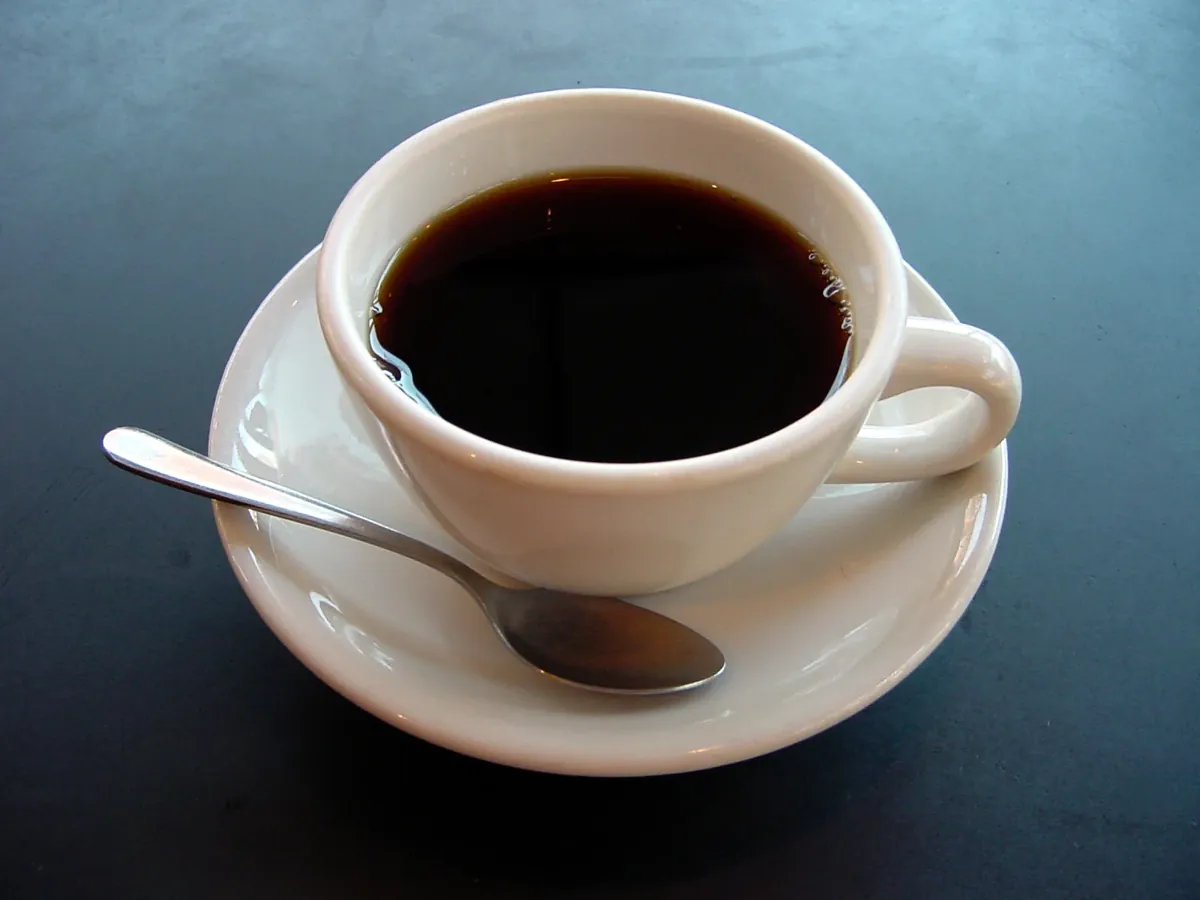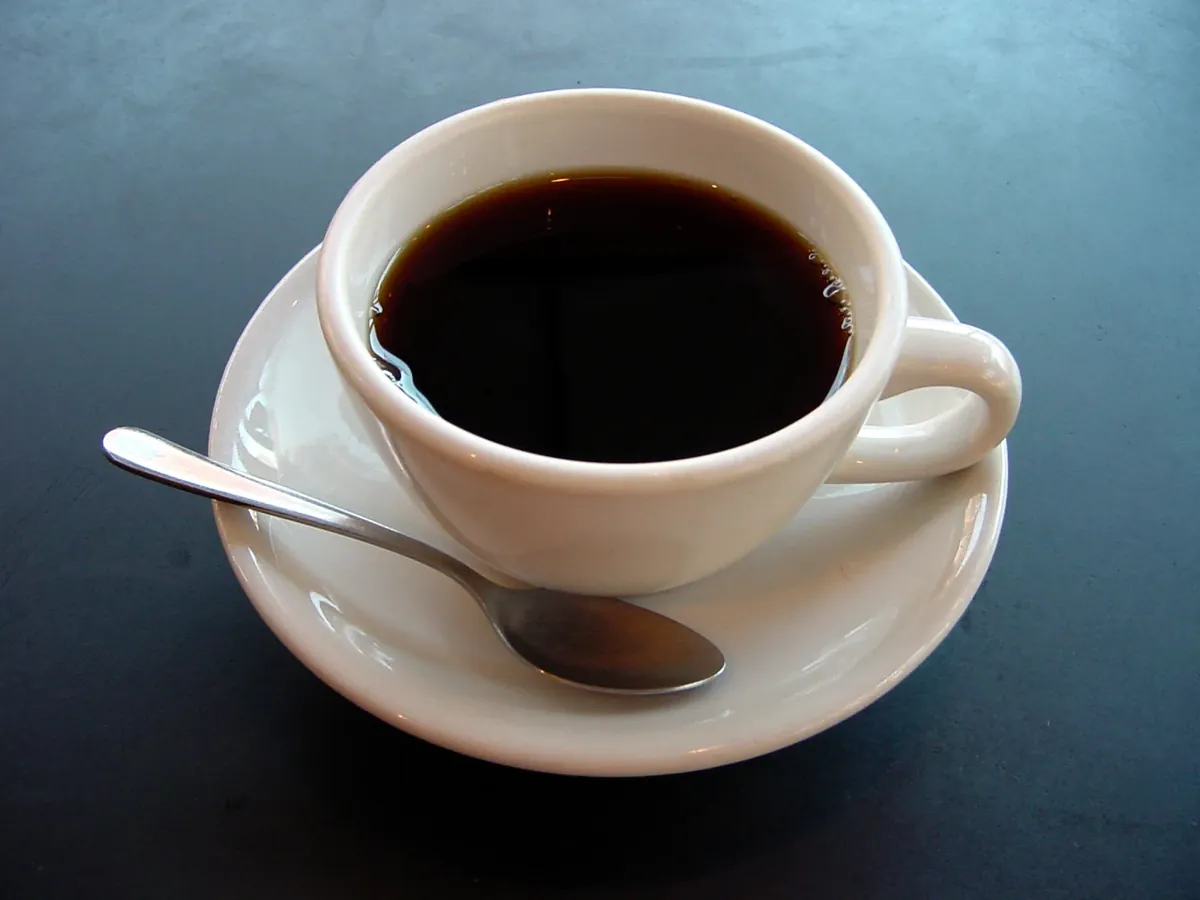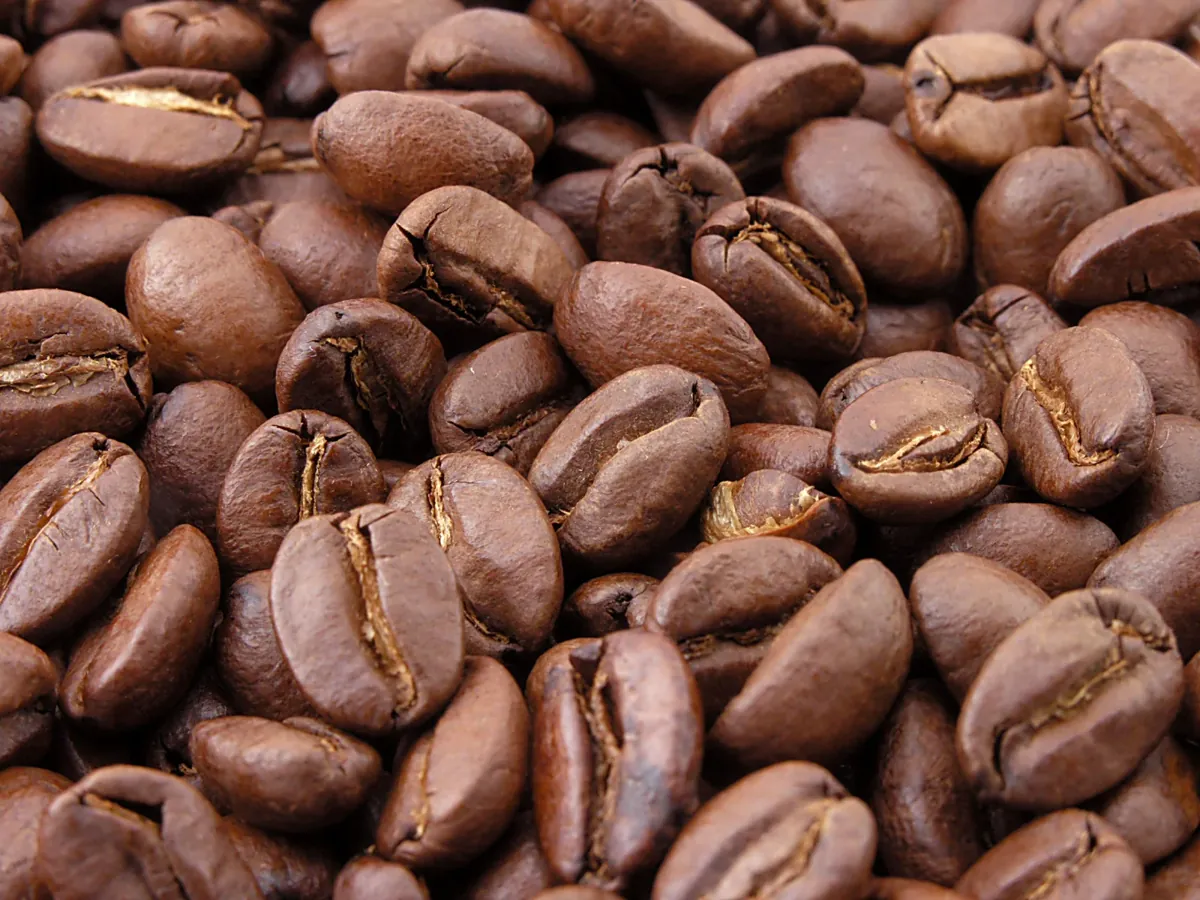
The word "bar" in Italian refers not to a place that primarily serves alcohol but to a neighbourhood institution that opens early, serves coffee, pastries, and light food, and functions as a daily social node for the community around it. A typical Italian will stop at the bar two or three times a day: once before work for a coffee and a cornetto, perhaps once mid-morning for another espresso, and sometimes in the afternoon. The ritual is quick. The espresso takes 25 to 30 seconds to pour, is consumed in two or three sips standing at the counter, and is followed by a brief exchange with the barista or the person standing next to you. Total time at the bar: three to five minutes. The Italian bar is not a café in the French or British sense of a place to linger. It is a pitstop, and the culture around it reflects that entirely.
The Unwritten Rules
Italian coffee culture operates on a set of conventions that are rarely explained to tourists and yet are followed with great consistency by locals. Understanding them transforms the experience from confusing to pleasurable.
The first and most important rule is the payment sequence. In traditional Italian bars, you pay first at the cassa (the cash register, often staffed by a different person from the barista), then take your receipt to the bar counter and present it when ordering. The barista will then make your drink. This system, which dates to the postwar period when it simplified accounting and prevented theft, is less rigidly followed in tourist-heavy cities today but remains standard practice in smaller towns and traditional bars throughout the country.
The second rule is standing at the counter. Drinking coffee al banco (at the bar) is the norm. Sitting at a table costs significantly more, often two to three times the counter price, because it includes table service. A standard espresso at the counter in most Italian cities costs 1 to 1.30 euros. The same espresso at a table may cost 3 to 5 euros. This is not a rip-off: it reflects a different service model with a different cost structure. Tourists who sit down and are surprised by the price have not been cheated; they simply chose the more expensive service option.
The third rule concerns milk-based coffee drinks and the time of day. Cappuccino, caffè latte, and any coffee drink containing significant steamed milk is ordered only in the morning, typically before 11am. The cultural logic is gastronomic: a large quantity of milk after a full meal is considered heavy on the digestive system and therefore inappropriate. Italians do not enforce this as a legal requirement, but ordering a cappuccino after a meal in a traditional bar will produce a reaction ranging from mild bemusement to gentle discouragement. The rule is real, culturally embedded, and not merely a myth invented for travel writing.
What "Espresso" Actually Means at the Bar
In Italy, you do not order an "espresso." You order a caffè. Espresso is understood to be the default preparation; specifying it would be redundant. A standard Italian espresso is 25 to 30 ml of coffee extracted over 25 to 30 seconds, served in a pre-heated ceramic cup, almost always accompanied by a small glass of sparkling water. The water is for drinking before the coffee to cleanse the palate, not after. It is offered without being asked and without extra charge.
The espresso will typically be served with a small layer of crema on top. Italian baristas do not obsess over the colour or thickness of this crema the way some specialty coffee establishments do. It is considered a byproduct of the extraction rather than the goal of it.
The Coffee Menu Decoded
Beyond the standard caffè, Italian bars offer a range of preparations with specific names that vary slightly by region but follow a general pattern.
Caffè macchiato is espresso with a small amount of steamed milk, just enough to "stain" (macchiare) the coffee. It comes in two versions: macchiato caldo (hot, with steamed milk) and macchiato freddo (cold, with a small amount of cold milk). The warm version is more common and is made by adding a teaspoon of foam on top of the espresso.
Latte macchiato is the inverse: a glass of steamed milk stained with espresso, producing a layered visual effect. Despite the name similarity, it is structurally different from a caffè macchiato. It is considered a more substantial morning drink and is sometimes ordered by those who want coffee flavour without the intensity of straight espresso.
Caffè corretto is espresso corrected, or spiked, with a small measure of spirit. Grappa is the most traditional addition, particularly in the Veneto and Friuli regions. Sambuca is common in Rome. Whisky appears in the north. It is an afternoon or post-meal drink and is entirely accepted at any time after noon.
Caffè americano is espresso diluted with hot water to approximate the volume and strength of filter coffee. It is available in every Italian bar but is regarded as a tourist drink, made to accommodate visitors from northern Europe and North America who find espresso too small. Italian baristas will make it without complaint but rarely drink it themselves.
Regional Differences Across Italy
Italian coffee culture is not uniform. Significant regional variations exist in roast profile, blend composition, service customs, and even sugar etiquette.
Naples is the spiritual home of the strongest Italian espresso tradition. Neapolitan coffee typically uses a higher proportion of robusta in the blend (sometimes 30 to 40%), producing a thicker body, a more pronounced bitterness, and a richer crema than the arabica-dominant blends preferred in the north. It is often served already sweetened: in some traditional Neapolitan bars, the barista stirs sugar into the espresso before serving without being asked. The concept of caffè sospeso (suspended coffee) originated in Naples: a customer pays for an extra coffee to be held in credit for the next person who comes in and cannot afford one.
Milan has a more cosmopolitan and increasingly specialty-influenced coffee culture. The blends are typically lighter and predominantly arabica. Milanese bars are often more design-conscious, and the city has seen the most growth in third-wave specialty coffee shops of any Italian city, including the 2018 opening of Starbucks Reserve Roastery on Piazza Cordusio, Starbucks' first Italian location.
Trieste is arguably Italy's most coffee-obsessed city in per-capita terms. Situated at the northeast corner of the country, Trieste was for centuries a major trading port and is still home to Illy, one of the most internationally recognised Italian coffee brands. The city has a distinct coffee vocabulary: a small espresso is called a nero, a caffè macchiato is a capo in b (short for cappuccino in bicchiere, served in a glass). Trieste's café culture also shows Central European influence, with a more lingering, sit-down tradition than is typical in other Italian cities.
Rome uses dark-roasted, full-bodied blends with a medium robusta content. Roman espresso is known for being slightly harsher and more bitter than Milanese varieties, which Roman drinkers regard as a virtue. Sugar is commonly added.
Coffee at Home: The Moka Pot
Despite the bar culture, most Italians also make coffee at home daily, and almost universally using a moka pot rather than an espresso machine. The domestic espresso machine is relatively rare in Italian kitchens compared to northern European or American ones. The moka pot sits on the stovetop, makes coffee in about five minutes, and produces something that Italians consider entirely adequate for home use without qualifying it against the bar standard. Brands including Bialetti, Alessi, and La Cafetiere sell moka-compatible ground coffee in blends specifically calibrated for stovetop brewing rather than portafilter extraction.
The moka pot ritual, particularly the morning ritual of standing over the stove waiting for the gurgle that signals the coffee is ready, is one of the most consistent domestic habits in Italian life. It persists alongside Nespresso pods (which have also found a strong market in Italy) without being displaced by them.
What Makes Italian Coffee Culture Distinctive
The most fundamental difference between Italian coffee culture and the café cultures of the English-speaking world is the role of speed and routine. In Italy, coffee is not a product you customise, not a ritual of self-expression, and not a beverage to be consumed over 45 minutes while working on a laptop. It is a small, intensely flavourful pause in the day, consumed quickly, in company or alone, at a price that makes it accessible to everyone. The lack of customisation is not a limitation but a design principle. The coffee is good because the process is standardised, the equipment is maintained well, and the barista has made the same drink thousands of times. Consistency is the goal, and the culture supports it entirely.
Related: The Moka Pot: Italy's Stovetop Coffee Maker Explained | Coffee Shop Profitability: How Cafés Really Make Money