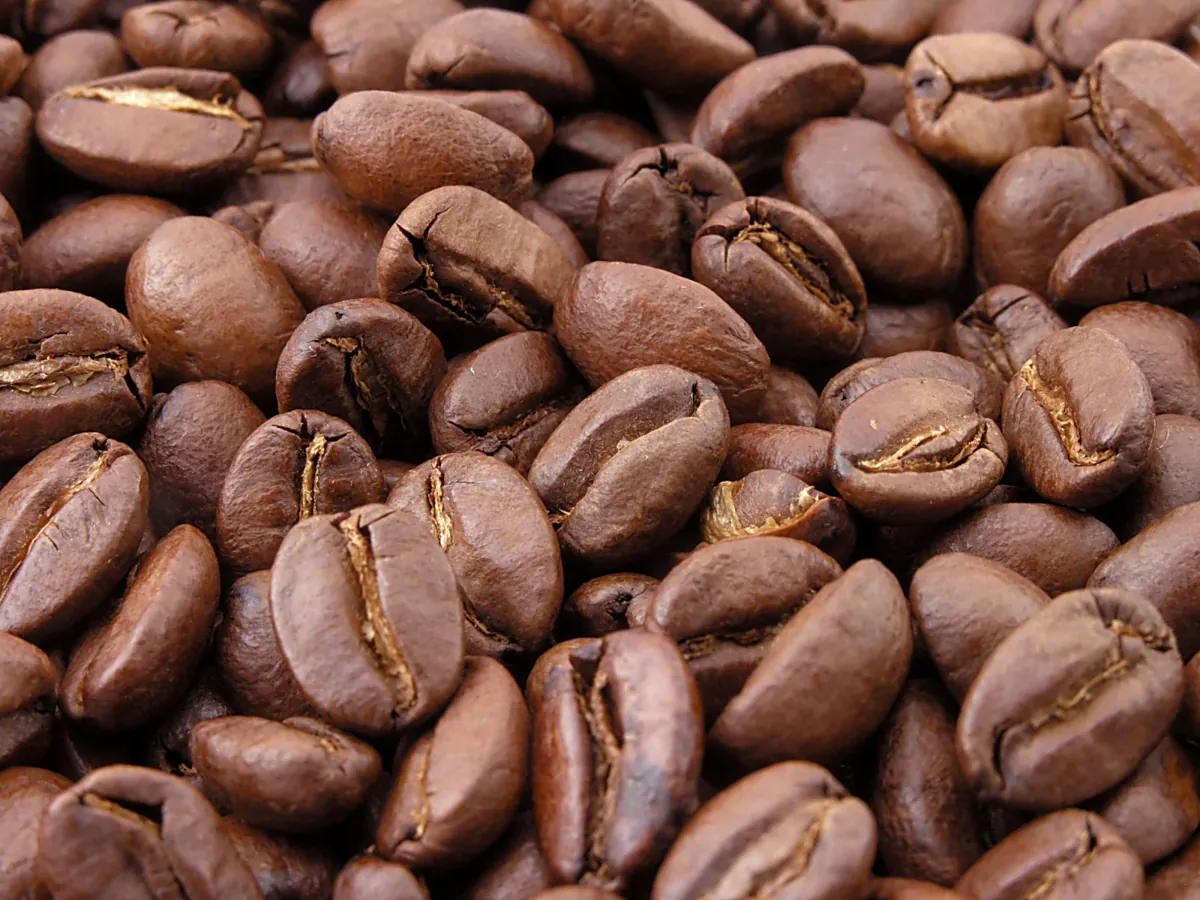

For many coffee enthusiasts, brewing espresso at home is the ultimate kitchen quest. It is a highly satisfying crossover between culinary art and mechanical science. Unlike drip coffee or pour-over, which rely solely on gravity to pull water through a filter, espresso is a high-pressure extraction process. Hot water is forced under intense force, typically nine bars of pressure, through a tightly packed bed of finely ground coffee. The result is a highly concentrated, viscous elixir topped with a dense layer of golden foam known as crema. Because the process is highly sensitive, even tiny variations in your preparation can be the difference between a sour, metallic shot and a sweet, syrupy masterpiece. This comprehensive dialing guide covers the fundamental variables, prep techniques, and troubleshooting steps required to master home espresso.
The Big Four: The Golden Variables
To control the extraction process, you must treat your espresso preparation like a laboratory experiment. This means keeping all variables constant except for the one you are testing. The four core parameters that define any espresso recipe are dose, yield, time, and temperature.
1. The Dose: This is the exact weight of dry coffee grounds packed into your filter basket, measured to the tenth of a gram. For a modern, double-shot basket, a typical starting dose is 18.0 grams. A larger dose will resist water flow more, slowing extraction, while a smaller dose will offer less resistance, speeding it up.
2. The Yield: This is the exact weight of the final liquid espresso in your cup, also measured on a digital scale during brewing. In specialty coffee, we talk about extraction ratios. A standard starting ratio is 1:2, meaning that for an 18.0g dose of dry grounds, you target a liquid yield of 36.0 grams in the cup. This ratio provides the perfect balance of strength, body, and sweetness.
3. The Time: This is the contact time, measuring how long it takes the water to travel through the coffee bed from the moment you pump the pump to the moment you stop the shot. A balanced double shot should take between 25 and 30 seconds to reach the target yield.
4. The Temperature: This is the temperature of the water exiting the group head. The ideal brewing range is 90°C to 94°C (194°F to 201°F). Darker roasts, which are highly soluble, benefit from lower temperatures to avoid bitter extractions. Lighter roasts, which are denser and less soluble, require higher temperatures to extract fully.
Step-by-Step Puck Prep Science
Puck prep is the absolute foundation of espresso quality. Under nine bars of pressure, water is incredibly lazy: it will always seek the path of least resistance. If there are air pockets, clumps, or uneven density in your coffee bed, the water will hollow out a channel, bypassing 90% of the grounds while over-extracting the channel, a defect known as **channeling**. Perfect puck prep ensures the water flows uniformly through every single coffee particle.
Step 1: The Grind. Grind your roasted coffee beans fresh, immediately before brewing. The grind size must be extremely fine, feeling like powdered sugar or fine beach sand, holding a slight clump when pressed between your fingers.
Step 2: Distribution (The WDT Technique). As coffee exits a grinder, static electricity causes the fine grounds to clump together. To break up these clumps, use a Weiss Distribution Technique (WDT) tool, which is a small tool holding several thin, flexible metal needles. Swirl the needles thoroughly through the portafilter basket, starting from the bottom and working up. This breaks up clumps, flattens the density, and leaves a perfectly level, fluffy bed of grounds.
Step 3: Tamping. Tamping compresses the grounds, removing air pockets and creating a solid barrier for the pressurized water. Place your tamper perfectly level in the basket and press downward until the coffee resists completely. While historic barista training emphasized tamping with exactly 30 pounds of force, modern physics has shown that you cannot over-compress a dry bed of coffee. The most important factor is tamping **perfectly level** with enough force to fully eliminate air pockets, ensuring a flat, uniform ceiling for the water.
The Dialing-In Compass
Once your puck prep is complete, lock the portafilter into the machine, place your cup on a scale beneath the spouts, tare the scale, and start the shot. By observing the flow and tasting the results, you can adjust your parameters to dial in the perfect flavor.
| Shot Behavior | Extraction Time | Primary Sensory Profile | Diagnosis | Required Adjustment |
|---|---|---|---|---|
| Rushes out quickly, gushes | Under 20 seconds | Intensely sour, salty, thin body, brief finish | Under-extracted (grind is too coarse) | Grind finer (move adjustment collar left) |
| Drips slowly, chokes | Over 35 seconds | Harshly bitter, dry mouthfeel, smoky, hollow | Over-extracted (grind is too fine) | Grind coarser (move adjustment collar right) |
| Smooth stream, warm honey flow | 25 - 30 seconds | Sweet, syrupy, balanced acidity, rich, long finish | Perfect extraction (balanced) | Maintain current parameters |
The Crema: Physics of the Foam
When your shot extracts perfectly, you are rewarded with a beautiful, hazelnut-colored layer of foam on top of the dark liquid: the **crema**. Crema is a complex physical emulsion, formed when carbon dioxide gas (trapped inside the coffee bean cells during roasting) is dissolved under high pressure into the water. When the liquid exits the basket and returns to normal atmospheric pressure, the dissolved gas expands, forming millions of micro-bubbles stabilized by the soluble lipids and proteins in the coffee.
While crema is visually beautiful and indicates that your beans are fresh, it is not actually the best-tasting part of the shot. Tasting crema on its own reveals that it is intensely bitter and dry. For a more balanced, delicious experience, always stir your espresso shot thoroughly with a small spoon before drinking, blending the thick, sweet oils at the bottom of the cup with the acidic crema at the top.
Dialing in home espresso is a practice that requires patience and close attention to detail. By measuring your doses, distributing your grounds with care, and using your sensory experience to guide your grind adjustments, you can systematically unlock the true, sweet potential of your beans, bringing the refined quality of an artisan cafe directly to your kitchen counter.
Related: Coffee Extraction Science: Understanding TDS, Brew Strength, and Extraction Yield | Water Chemistry for Baristas: How Magnesium, Calcium, and Buffer Levels Determine Extraction