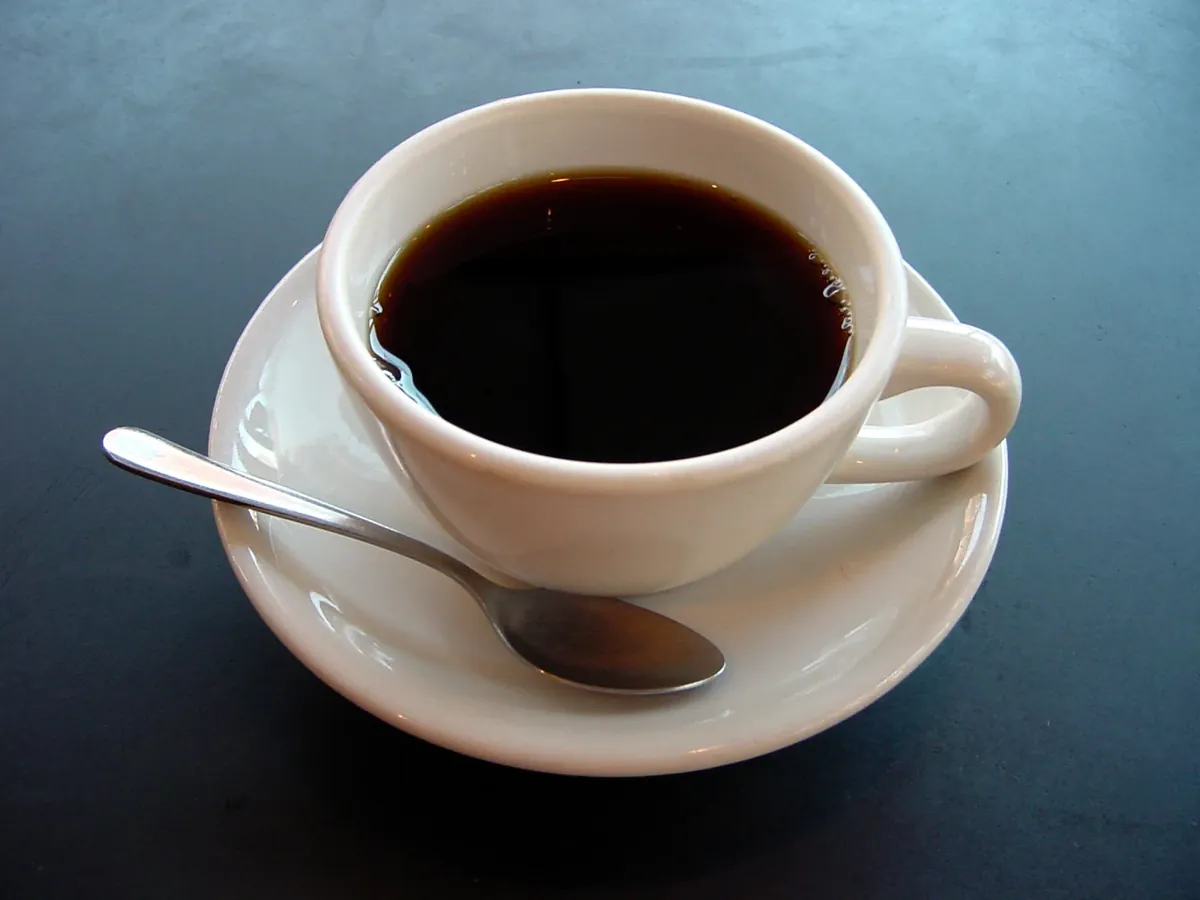
[Featured Image: Espresso being extracted — golden crema forming in a clear shot glass, dramatic lighting. Source: Unsplash.com, search "espresso extraction" or "espresso machine coffee" — free commercial licence.]
Espresso is, technically speaking, coffee made by forcing hot water through finely ground coffee at 9 bars of pressure. That description is accurate and completely inadequate to explain what makes a perfect espresso different from a mediocre one — or why baristas spend years mastering a process that takes 30 seconds. The difference between a transcendent espresso and a bitter, thin disappointment lies in a constellation of variables all interacting simultaneously. Here is what is actually happening.
What Espresso Actually Is
Espresso is not a roast level or a coffee variety — it is a brewing method. Any coffee can be brewed as espresso; the method involves:
- ~7–10g of finely ground coffee (for a single shot; 14–18g for a double)
- Water at 90–96°C (not boiling — never boiling)
- Pressure of approximately 9 bar (130 psi) — the standard since the 1950s
- Extraction time of 25–35 seconds
- Resulting in 25–35ml of concentrated coffee (single) or 45–60ml (double)
The pressure forces water through the coffee bed, extracting soluble compounds at a rate and concentration impossible with gravity-fed brewing methods. The result is a concentrated, emulsified beverage with a higher dissolved solids content than any other brewing method — and the characteristic crema: a golden-brown, CO₂-rich foam layer that indicates freshness and correct extraction.
The Variables: What You Can Control
Grind Size
The single most important variable. Too coarse: water flows through too quickly, coffee tastes sour and weak (under-extracted). Too fine: water is resisted too long, coffee tastes bitter and dry (over-extracted). The target: a grind that allows water to pass through in 25–35 seconds.
Grind size must be adjusted every day — changes in humidity, temperature, and bean freshness all affect how the coffee behaves. A quality burr grinder is non-negotiable for good espresso; blade grinders produce inconsistent particle sizes that make dialling in impossible.
Dose
The amount of ground coffee in the portafilter basket. A standard double basket takes 14–18g depending on the basket design. Weighing the dose with a scale is standard practice in specialty cafés — even 1g variation changes the extraction significantly.
Tamping
Pressing the ground coffee into a firm, level puck in the portafilter basket. The purpose is to create a uniform density through which water must permeate evenly. Uneven tamping creates channels (areas of lower resistance) through which water preferentially flows, leading to uneven extraction. Tamp with ~15–20kg of even, level pressure.
Brew Ratio
The ratio of dry coffee in to liquid espresso out — now the primary variable specialty baristas use to define a recipe. Common ratios:
- 1:2 (e.g., 18g in → 36g out): Standard espresso — balanced, full flavour
- 1:1.5: Ristretto — shorter, more concentrated, sweeter
- 1:3+: Lungo — longer, more extracted, lighter body
Water Temperature
90–96°C is the SCA recommended range. Lighter roasts generally benefit from higher temperatures (93–96°C) to extract enough soluble compounds. Darker roasts may extract better at lower temperatures (89–92°C) to avoid bitterness.
Water Quality
Espresso machines are very sensitive to water mineral content. Soft water (low TDS) under-extracts and can be corrosive to machine components. Very hard water causes scale and can over-extract. The SCA recommends 75–150mg/L total dissolved solids with a moderate magnesium content. Many specialty cafés use filtered or precisely mineralised water.
Reading the Shot
In a bottomless portafilter (no spout — the basket bottom is open), a correctly pulled shot shows:
- Even flow beginning from the centre of the basket and spreading uniformly
- Consistent "tiger striping" — alternating light and dark streams combining in the cup
- No spraying or channelling (which indicates uneven distribution or tamping)
A correctly extracted espresso tastes: sweet in front, followed by complex fruit or chocolate notes, with a bitter finish that is pleasant rather than harsh, and a lingering aftertaste. If it tastes primarily sour: under-extracted (grind coarser, increase temperature, or extend time). If primarily bitter: over-extracted (grind finer, reduce temperature, or shorten time).
Equipment: What You Actually Need
- Entry level ($300–700): Breville Bambino Plus + Breville Smart Grinder Pro. An excellent starting point for home espresso.
- Intermediate ($700–1,500): Breville Barista Express (integrated grinder) or ECM Classika + separate Eureka grinder. Step up in temperature stability and pressure profiling.
- Serious home ($1,500–3,000+): La Marzocca Linea Mini, Rocket Espresso, Lelit Bianca (with flow control). These approach commercial machine quality.
A good grinder matters more than a good machine. An excellent grinder with a modest machine will outperform a top machine with a poor grinder every time.
Related: Pour-Over vs. French Press | Melbourne's Flat White