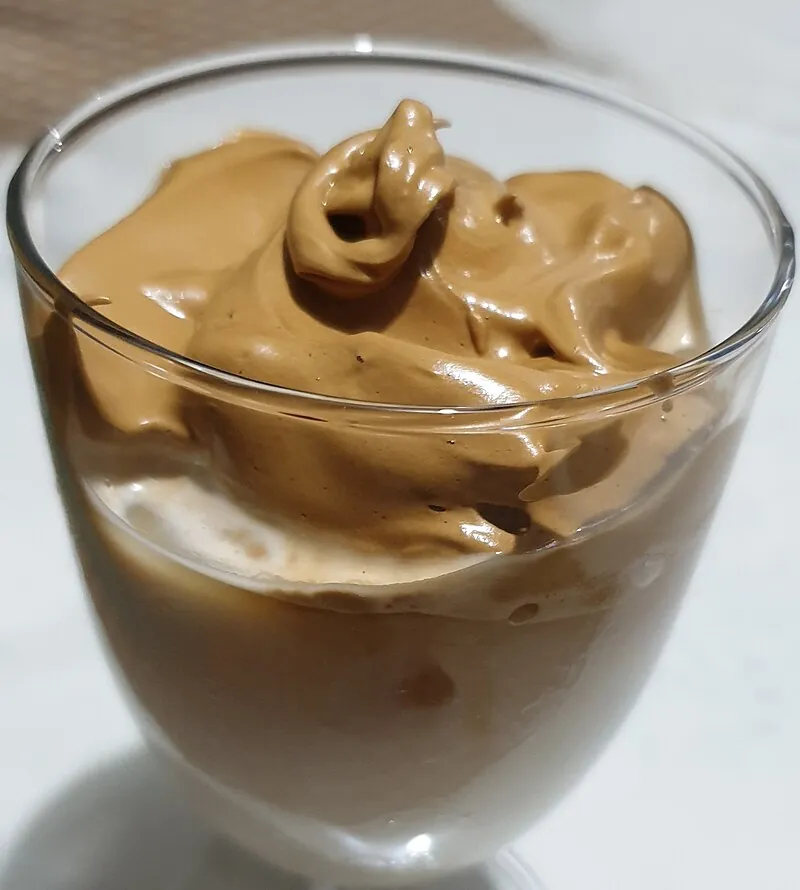
In January 2020, South Korean actor Jung Il-woo visited a café in Macau and was served a whipped coffee drink. He tasted it on a TV show called Pyunstorang and said the foam reminded him of dalgona, a Korean street candy made from melted sugar and baking soda that forms a honeycomb-like toffee. Korean YouTubers picked up the name and the recipe, and by February it was spreading across the Korean internet. Then March 2020 arrived, most of the world went into lockdown, and millions of people stuck at home with time on their hands, basic pantry ingredients, and functioning smartphones discovered that you could whip instant coffee into something that looked, from the right angle, like a luxury coffee shop drink. The hashtag dalgona coffee accumulated more than one billion views on TikTok within weeks. It became the first genuinely global food trend of the pandemic era.
The Science of Why It Whips
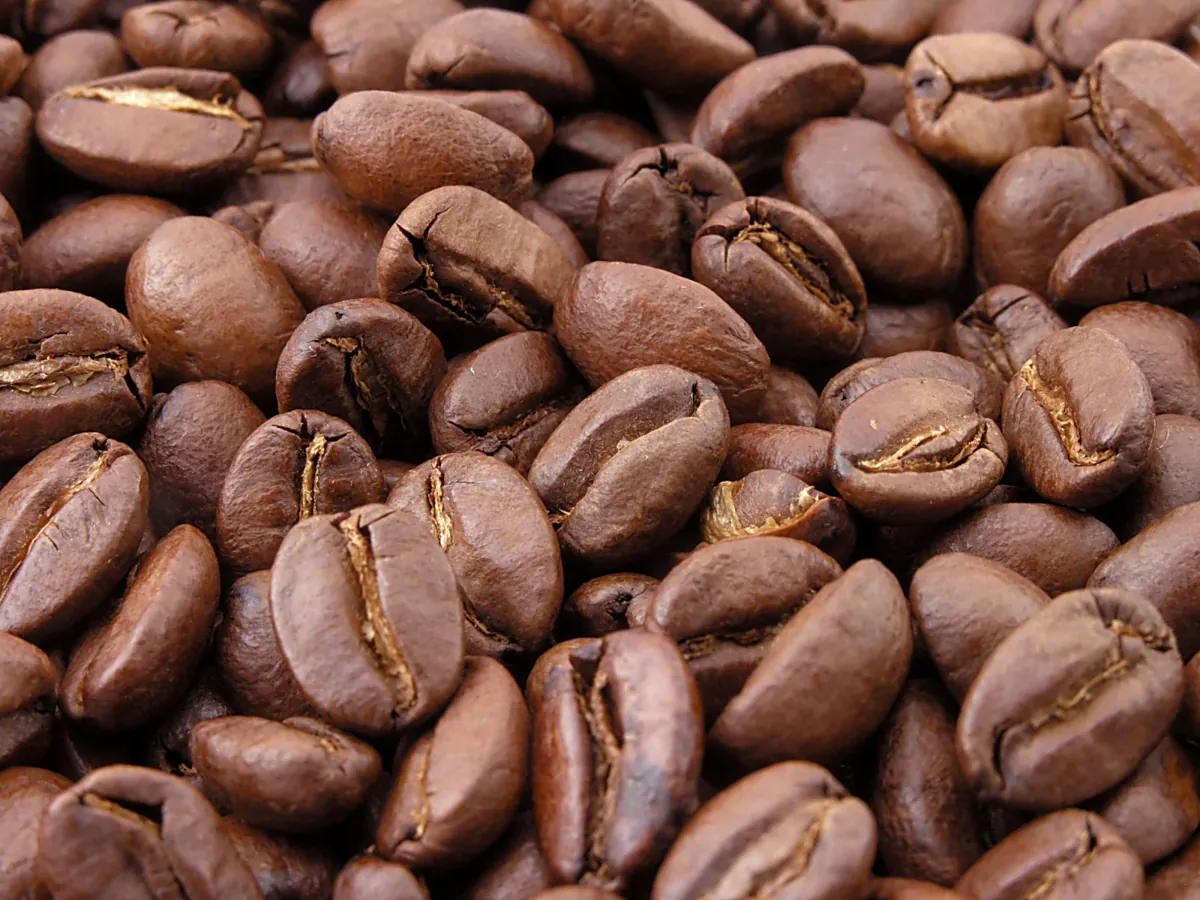
Understanding why dalgona coffee works requires understanding why fresh-ground coffee absolutely does not. Brewed coffee from fresh grounds, espresso, or cold brew cannot be whipped into a stable foam regardless of how long you beat it. The key ingredient is not really the coffee at all: it is the drying process that produces instant coffee.
Instant coffee is made by brewing a large quantity of coffee to high concentration, then either freeze-drying it (premium instant) or spray-drying it (standard instant) into granules or powder. During this process, the coffee retains carbohydrate compounds, including sucrose and melanoidins (complex brown polymers formed during roasting). These carbohydrates act as foam stabilisers. When you beat instant coffee with sugar and a small amount of hot water, the sugars from both the added sugar and the instant coffee itself, combined with the surface-active melanoidin molecules, trap air bubbles and form a stable foam. The sugar is not merely for sweetness: it is structurally necessary. Attempts to make unsweetened dalgona coffee produce a much less stable foam that collapses quickly.
This mechanism is why the recipe specifically requires instant coffee. Ground coffee lacks the soluble carbohydrate structure that enables foaming. Cold brew concentrate cannot be whipped for the same reason.
The Recipe
The original recipe is simple and uses equal ratios: two tablespoons of instant coffee, two tablespoons of granulated white sugar, and two tablespoons of hot water. The precision of the 1:1:1 ratio by volume is important. Too much water and the foam will not hold; too little and the mixture is too thick to whisk properly.
Combine all three ingredients in a bowl. Whisk until the mixture transforms from a dark, thin liquid into a thick, pale caramel-coloured foam with stiff peaks. This is the same structural change as whipping cream: air is being mechanically incorporated and held in place by the foam matrix.
Spoon the foam generously over a glass of cold milk (200 to 250 ml is the standard serving), stir before drinking to mix the bitter coffee foam into the sweet milk, and serve immediately. The drink can also be made with hot milk for a warm version, though the visual effect of the foam is more dramatic over cold milk.
By Hand vs Electric Whisk: A Realistic Comparison
Whisking dalgona coffee by hand with a balloon whisk is possible and was done by many people who made it during the early lockdown period, sometimes as a form of active meditation. It takes approximately 10 to 15 minutes of continuous vigorous whisking to reach stiff peaks. An electric hand mixer on high speed achieves the same result in about 2 minutes. A milk frother (the handheld battery-powered type) works in 3 to 5 minutes but produces a slightly less stable foam because of its lower volume of air incorporation.
For daily use, an electric mixer is strongly preferable. For the experience of making it once and understanding why it works, doing it by hand at least once is instructive.
Which Instant Coffee Works Best
Not all instant coffees produce equally stable foam. The most consistently reliable results come from granular instant coffees with moderate solubility and good melanoidin content. Nescafé Gold and Nescafé Classic are the most frequently recommended in community testing, partly because of their granule structure and partly because their flavour complements the sweetness of the foam. Kenco, Maxwell House, and similar mid-market granular instants perform similarly.
Freeze-dried premium instant coffees such as Nescafé Azera or Carte Noire also work well, often producing a slightly more complex flavour in the foam. Cheap powdered instant coffees (as opposed to granules) can produce foam that collapses more quickly because the particle structure is less uniform.
Decaffeinated instant coffee works with the same recipe: the foam structure is driven by carbohydrates and melanoidins, not caffeine, so the whipping behaviour is identical. Flavoured instant coffees such as hazelnut or vanilla varieties also work, with the flavouring carrying through into the foam.
Variations That Work and One That Does Not
Brown sugar dalgona substitutes light or dark brown sugar for white sugar. The molasses content in brown sugar adds a slight toffee note to the foam and produces a slightly darker colour. The foam is marginally less stable due to the additional moisture in brown sugar, but most people find the flavour improvement worthwhile.
Chocolate dalgona adds one teaspoon of cocoa powder to the original recipe. The foam is less stable than the plain version and requires more aggressive whisking, but it produces a mocha-flavoured foam that works well over warm milk.
Matcha dalgona is the variant most frequently attempted and the one most consistently disappointing without modification. Matcha powder contains no foam-stabilising carbohydrates and cannot be whipped into a stable foam on its own. The workaround is to use aquafaba (the liquid from a tin of chickpeas) as the foaming agent in place of hot water: two tablespoons of matcha, two tablespoons of powdered sugar, and two to three tablespoons of aquafaba, whipped until stiff. This produces a green foam that holds well, but it is a fundamentally different technique with a different ingredient.
Attempts to make dalgona coffee with espresso powder (dehydrated espresso concentrate, not the same as instant coffee) produce variable results: some brands work reasonably well, others produce an unstable foam that separates quickly. Standard instant coffee remains the most reliable ingredient.
Global Relatives: Older Versions of the Same Idea
Dalgona coffee's viral moment was new, but the underlying concept of hand-beaten instant coffee is not. In India, a similar preparation called phenti hui coffee (literally "beaten coffee") has been made domestically for decades, typically served hot over warm milk rather than cold. The technique is the same: instant coffee, sugar, and a small amount of hot water beaten until pale and creamy, then spooned over milk.
In Greece, the frappé (pronounced frap-EH) has been a national institution since 1957, when a Nescafé representative at the Thessaloniki International Fair accidentally mixed instant coffee with cold water in a shaker and produced a cold foamy drink. The Greek frappé uses instant coffee, water, and optional sugar shaken or blended with ice, producing a foam-topped cold drink. It is arguably the closest antecedent to dalgona coffee in both technique and result.
Has It Outlasted the Trend?
Dalgona coffee reached its peak Google search volume in April 2020 and has declined substantially from that point, as food trends always do. However, it remains among the most-searched coffee recipes globally, consistently appearing in top-ten lists of home coffee preparation methods years after its peak. The recipe has earned a permanent place in the home cook's repertoire, partly because its ingredients are widely available, its technique is genuinely satisfying to perform, and its result consistently exceeds what most people expect from instant coffee. It also introduced a generation of coffee drinkers to the idea that instant coffee could be a raw ingredient rather than a finished product, a shift in perspective with its own culinary value.
Related: Italian Coffee Culture: The Rules and the Rituals | Nitro Cold Brew: What It Is and How to Make It at Home