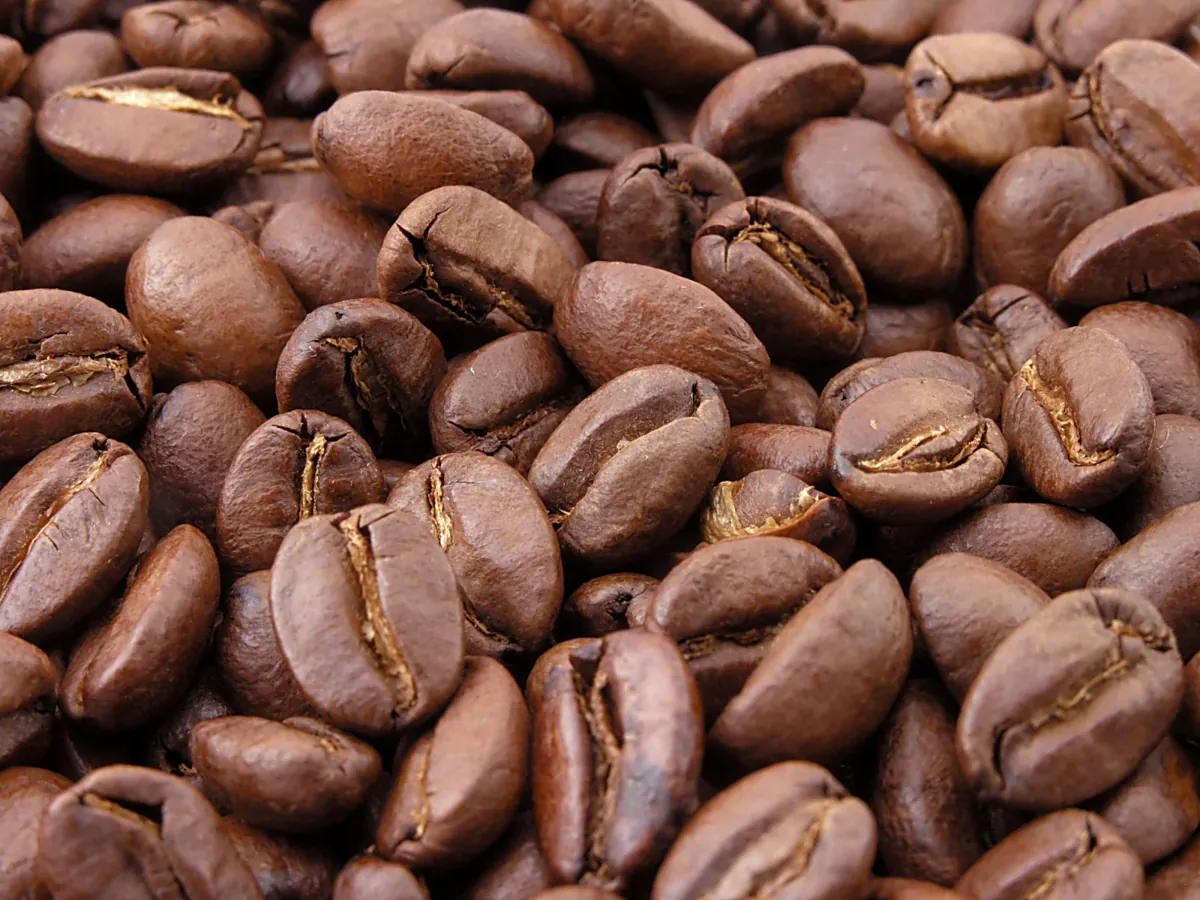

More than half of adults who drink coffee report some gastrointestinal symptoms they associate with it: urgency after the morning cup, discomfort with certain brew styles, acid reflux, or the particular sensitivity of people with irritable bowel syndrome. Coffee is simultaneously one of the most widely consumed beverages on Earth and one of the least well-understood in terms of its specific effects on gastrointestinal physiology. This post covers what the current research actually shows, which is more nuanced and in some ways more reassuring than popular discussion suggests.
Coffee as a Gastrointestinal Stimulant: The Basic Mechanisms
Coffee stimulates several distinct components of the gastrointestinal system through different and partially independent mechanisms. Understanding these separately is important because the common experience of "coffee upset my stomach" may be driven by quite different pathways depending on the individual, the coffee preparation, and the circumstances of consumption.
Gastric acid secretion: coffee stimulates gastric acid secretion through multiple pathways. Caffeine is one contributor, acting via adenosine receptor antagonism that leads to increased gastrin release. However, decaffeinated coffee stimulates gastric acid secretion at rates comparable to caffeinated coffee, which demonstrates that non-caffeine compounds in coffee are significant acid secretion stimulants. Research has identified N-methylpyridinium (NMP), a compound produced during coffee roasting from trigonelline, as a potent stimulator of gastric proton pump activity. NMP concentrations are higher in darker roasts, which creates the counterintuitive observation that dark roast coffee may stimulate more gastric acid production per cup than lighter roasts, despite popular belief that dark roasts are "smoother."
Gastrointestinal motility: coffee accelerates transit through the colon. The urgency experienced by many people shortly after drinking morning coffee is well-documented: studies using manometry (direct measurement of colonic muscle contractions) have found that coffee induces colonic contractions within four minutes of ingestion, with a magnitude comparable to a 1000 kcal meal. This effect was demonstrated in a 1990 study by Brown, Cann, and Read in Gut, one of the most-cited papers in coffee and gastrointestinal physiology. The effect persists with decaffeinated coffee, again pointing to non-caffeine compounds as the primary mediators. Cholecystokinin (CCK) release, triggered by coffee's fat and protein components, may partly explain this, as CCK is a gastrointestinal hormone that stimulates pancreatic secretion and gallbladder contraction alongside colonic motility.
Lower esophageal sphincter (LES) tone: coffee reduces the pressure in the lower esophageal sphincter, the muscular valve that prevents stomach contents from refluxing into the esophagus. Reduced LES tone increases the likelihood of gastroesophageal reflux, which is the mechanism behind coffee-associated heartburn and acid reflux. This effect is present in both caffeinated and decaffeinated coffee and is mediated by multiple compounds in coffee, including methylxanthines and various phenolic compounds. For people who experience reflux, coffee is a recognized trigger regardless of caffeine content.
Acid: The Most Misunderstood Aspect of Coffee and the Gut
The common belief that coffee is highly acidic and that this acidity is responsible for stomach discomfort is partly correct and partly misleading. Brewed coffee typically has a pH of 4.5-6.0, which is acidic but substantially less acidic than cola beverages (pH 2.5-3.5) or orange juice (pH 3.5-4.5). The acidity of coffee is not primarily responsible for gastric distress in most people.
The confusion arises from conflating two different things: the acid content of the coffee itself and the stimulation of gastric acid production by coffee compounds. A cup of coffee with a pH of 5.0 adds a relatively modest acid load to a stomach that already contains hydrochloric acid at pH 1.5-2.0. The meaningful variable is how much coffee stimulates the stomach's own acid production, not the pH of the coffee itself.
Low-acid coffee products marketed to people with acid sensitivity have a real but limited effect. Cold brew coffee, which extracts at low temperatures over extended periods, contains substantially lower concentrations of certain acidic compounds (notably quinic acid and citric acid) than hot-brewed coffee. Several studies, including a 2020 paper in Scientific Reports comparing hot brew and cold brew of the same beans, confirmed lower titratable acidity in cold brew. However, the reduction in acidity does not necessarily translate to reduced gastric acid stimulation, because the primary gastric acid stimulants in coffee are not primarily the acidic compounds themselves but the roasting-derived compounds described above.
Coffee and Irritable Bowel Syndrome
Irritable bowel syndrome (IBS) affects approximately 10-15% of the global adult population and is characterized by altered bowel habits, abdominal pain or discomfort, and bloating in the absence of structural or biochemical abnormalities. Coffee is among the most commonly self-reported IBS triggers, particularly for people with the diarrhea-predominant subtype (IBS-D).
The mechanisms by which coffee might exacerbate IBS symptoms are multiple. The colonic motility effect described above is more pronounced in IBS patients than in healthy controls, according to several manometry studies. People with IBS have been found to have lower visceral pain thresholds (greater pain sensitivity in the gut at equivalent stimulus levels) and greater reactivity of the colonic musculature, meaning that the colonic contractions induced by coffee produce more discomfort in IBS patients than in healthy controls.
Additionally, coffee contains compounds that may act as FODMAPs (Fermentable Oligo-, Di-, Mono-saccharides and Polyols) or FODMAP-adjacent irritants for some individuals. Fructans are present in coffee beans and some survives into brewed coffee; the sugar alcohols that some instant coffees contain as processing aids can contribute osmotic diarrhea in sensitive individuals. The low-FODMAP diet, which is the most evidence-supported dietary intervention for IBS, does permit moderate coffee consumption (up to about 250ml of filtered coffee per day) without categorizing it as high-FODMAP, but acknowledges individual variability in tolerance.
For IBS-C (constipation-predominant) individuals, the motility-stimulating effect of coffee is sometimes deliberately used as a therapeutic tool, particularly for morning bowel regularity. Several gastroenterologists advise IBS-C patients who already drink coffee to time their consumption deliberately to coincide with when they would prefer to have a bowel movement, effectively using the colonic-stimulating effect of coffee as a non-pharmacological laxative support.
Coffee and the Gut Microbiome: The Surprising Evidence
The relationship between coffee and the gut microbiome is one of the more surprising areas in recent nutrition research, surprising because the findings are more favorable than the gastrointestinal sensitivity data might lead one to expect.
Coffee is the largest single source of polyphenols in the diet for most regular coffee drinkers in Western countries, surpassing fruits, vegetables, and tea. These polyphenols, primarily chlorogenic acids and their metabolites, are not absorbed to a significant degree in the small intestine. They reach the colon intact, where they are fermented by colonic bacteria and serve as substrates for bacterial metabolism. The products of this fermentation include short-chain fatty acids (SCFAs) and various phenolic metabolites that have been shown to have anti-inflammatory properties in the colonic environment.
A 2022 multi-cohort study published in Nature Communications, using data from the American Gut Project and European microbiome cohorts, found that regular coffee consumption was associated with higher gut microbiome diversity and specifically with higher abundances of Bifidobacterium and Lactobacillus species, alongside lower levels of potentially pathogenic Bacteroides fragilis. The association held after adjustment for diet, BMI, age, antibiotic use, and other confounders. The researchers proposed that the polyphenol content of coffee was the primary mechanism, consistent with in vitro studies showing that chlorogenic acid fermentation selectively promotes the growth of beneficial bacterial species.
A 2019 randomized crossover trial by Barrientos-Rueda and colleagues examined changes in gut microbiome composition in 34 healthy adults before and after three weeks of consuming three cups of coffee per day versus three weeks of abstention. Gut microbiome diversity increased significantly during the coffee consumption period and decreased during abstention, with the shift occurring within two weeks of changing consumption behavior in both directions. The researchers specifically noted increases in Bifidobacterium longum and Lactobacillus acidophilus during coffee consumption phases.
Practical Guidance: Adjusting Coffee for a Sensitive Gut
For people who experience gastrointestinal sensitivity to coffee but are not willing or able to eliminate it, several evidence-supported adjustments are worth understanding.
Drinking coffee with food substantially reduces gastric irritation in sensitive individuals. The food dilutes the coffee's effects on gastric acid secretion and slows gastric emptying, reducing the concentrated exposure of the gastric mucosa to coffee's bioactive compounds. The common advice to never drink coffee on an empty stomach is supported by gastroenterological observation if not by robust clinical trial evidence.
Brewing method affects the concentration of irritating compounds. Espresso, despite its reputation for intensity, is consumed in small volumes and has a relatively high NMP content due to dark roasting, but the small volume means total consumption of irritating compounds may be lower than a large drip coffee. Cold brew, as noted, has lower acidity. Paper-filtered pour-over coffee removes cafestol and kahweol, the diterpene compounds in coffee oil that increase LDL cholesterol and that may also contribute to gastrointestinal irritation in some individuals; unfiltered methods (French press, Moka pot, Turkish coffee) retain these compounds.
Roast level: counter to popular belief, lighter roasts may be gentler on sensitive stomachs than darker roasts for some people, because NMP concentrations (a primary gastric acid stimulant) are higher in darker roasts. For acid reflux, however, roast level is less relevant than total coffee volume consumed.
Related: The Maillard Reaction in Coffee Roasting: The Chemistry Behind Your Cup | Coffee and Mental Health: What the Research on Depression and BDNF Shows