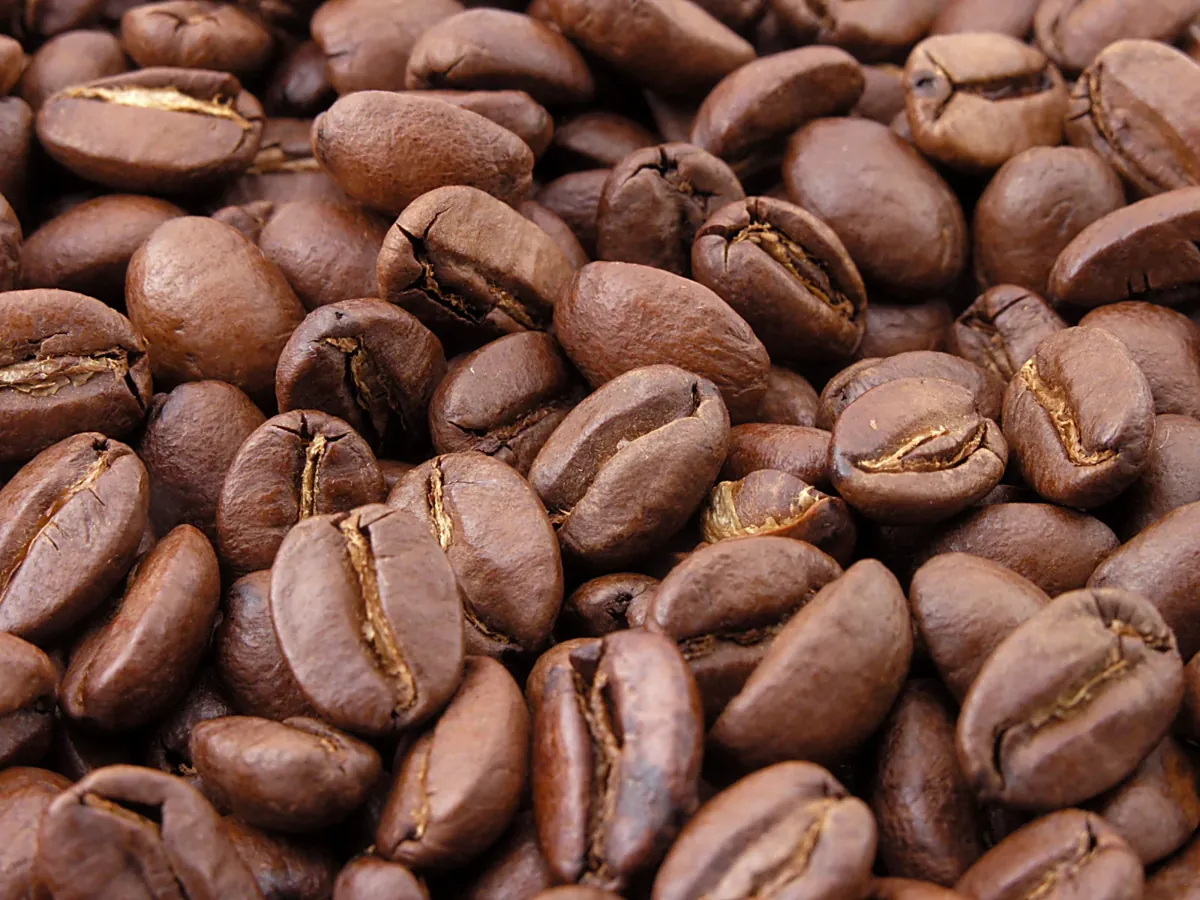

The coffee cherry is a fruit. Inside each cherry are the two seeds that become coffee beans after processing. What happens to the fruit itself, the skin, pulp, and parchment that surrounds the seeds, has for most of coffee's commercial history been a question of waste management. The answer was usually composting, or nothing at all. But in two coffee-growing regions, Yemen and Bolivia, the dried husks of the coffee cherry have been brewed and drunk as a beverage for longer than espresso has existed in Europe. That drink is cascara, and it tastes nothing like coffee.
What Cascara Is and What It Tastes Like
Cascara (from the Spanish "cáscara," meaning shell or husk) is made from the dried outer skin and pulp of the coffee cherry. After the coffee seeds are extracted during wet processing, the remaining fruit is dried and can be steeped in hot water to produce a drink. The result is not coffee. It shares its origin plant with coffee but not its flavour, appearance, or preparation method.
The flavour profile of cascara is fruity, sweet, and tangy, with notes commonly described as dried hibiscus, tamarind, rosehip, dried cranberry, and sometimes a subtle raisin-like sweetness. The colour of brewed cascara is a light reddish-brown, significantly paler than any brewed coffee. The mouthfeel is lighter than coffee, closer to a tisane or fruit tea. There is no bitterness of the kind associated with roasted coffee beans. There is no roasty, smoky, or caramel quality. It is, in the most accurate sense, a fruit tea made from the exterior of a coffee cherry rather than a coffee drink made from the interior seeds.
Two Origins, One Drink
Cascara's traditional origins exist in two entirely separate geographic contexts, with no known connection between them.
In Yemen, the drink is called qishr and has been consumed since at least the 15th century, predating the widespread adoption of roasted coffee in the region. Qishr is typically prepared with ginger added to the brewing vessel alongside the dried husks, producing a spiced, warming drink that is part of Yemeni domestic food culture rather than the café or commercial beverage world. Yemen, as the point at which coffee entered the Arab world and subsequently Europe via the port of Mocha, has the oldest documented coffee culture of any country: that coffee's husks were being used in parallel with, and in some traditions before, its seeds reflects the ingenuity of a culture that developed the crop from scratch.
In Bolivia, the drink is called sultana and has been consumed by coffee farming communities for generations. The context there is economic: coffee farmers in Bolivia produced beans for export and could not afford to buy back the roasted product at the prices it commanded after processing and export. Brewing the husks that remained after stripping the seeds gave farming families a coffee-adjacent drink from a part of the crop they would otherwise discard. Sultana in Bolivia is often made without spice additions and drunk as a straightforward fruit infusion.
The Specialty Coffee Discovery
Western specialty coffee's encounter with cascara began in earnest around 2013–2015. Scott Rao, the coffee educator and author whose books on espresso technique and roasting are standard references in the specialty industry, wrote about cascara as an underexplored byproduct with genuine culinary potential. Tim Wendelboe, the Oslo-based roaster and World Barista Champion who is among the most influential figures in the global specialty coffee movement, sourced and served cascara at his Grünerløkka café, introducing it to the Scandinavian specialty audience.
The inflection point for mass awareness came in 2017, when Starbucks launched its Cascara Latte in the United States: a drink made with espresso, milk, and a cascara-based syrup that provided a fruit-and-brown-sugar topping note. The Cascara Latte reached search peak in early 2017 and introduced cascara as a word and concept to millions of coffee drinkers who had never encountered it. Starbucks subsequently discontinued the drink in most markets, though it remains available in some European and Asian locations as of 2025. The launch demonstrated that cascara had commercial viability beyond specialty coffee circles.
Caffeine Content: A Common Misconception
A persistent and incorrect belief about cascara is that it is low in caffeine. This derives from a logical but flawed assumption: if the seeds contain the caffeine, the fruit skin must contain little or none. The reality is more complicated. A 2014 analysis published in the journal Food Research International measured the caffeine content of brewed cascara at approximately 111mg per 240ml serving. A standard 240ml cup of drip-brewed coffee contains approximately 95mg. Cascara is, by this measure, slightly higher in caffeine than a standard cup of coffee.
The reason is that caffeine is present not only in the seeds but throughout the coffee cherry, including in the skin and pulp. The concentration in the fruit exterior is lower per gram of dry material than in the green bean, but when brewed at typical cascara concentrations, the resulting drink delivers a comparable or higher caffeine dose than regular coffee. People who choose cascara under the assumption it will not affect their sleep or nervous system are likely to be surprised.
How to Brew Cascara
Cascara is brewed similarly to a tisane or herbal tea, though it requires a longer steeping time than most herbal teas to extract its full flavour.
- Use 15–20g of dried cascara per 250ml of water (a ratio of approximately 1:13 to 1:17 by weight).
- Heat water to 93–95°C (just off the boil).
- Steep for 3–5 minutes. Shorter steeping produces a lighter, more delicate cup; longer steeping (up to 8 minutes) produces a more concentrated, tangy result.
- Strain through a fine mesh strainer or tea strainer and serve.
- Cascara can also be brewed cold: steep 25g per 250ml in cold water for 12–24 hours in the refrigerator. The cold-brewed version is particularly refreshing and emphasises the fruit character.
Cascara pairs well with citrus additions (a slice of lemon or dried orange peel added to the steep) and with honey or agave as a sweetener. It can be served over ice. In Yemen, ginger is the traditional addition: 2–3g of fresh grated ginger added to the steep alongside the husks produces an approximation of traditional qishr.
Where to Source Cascara
Cascara from Yemen is considered the finest and most complex, reflecting both the variety of coffee cherry and the long tradition of preparation in the region. Yemeni cascara is sold by several specialty importers including Qima Coffee (which sources directly from Yemeni farmers) and PT's Coffee in the United States. Bolivian cascara (often marketed as sultana) is available from several specialty retailers including Sweet Bloom Coffee Roasters. Ethiopian cascara, a newer entry into the specialty market, offers the characteristic fruit complexity associated with Ethiopian heirloom varieties and is available from Duraatii and several other East African specialty importers.
Dried cascara sells for approximately $8–$15 per 100g from specialty retailers, placing it at a similar price point to premium herbal teas.
The EU Novel Food Complication
In Europe, cascara faces a regulatory hurdle that has significantly limited its commercial availability. In 2019, the European Food Safety Authority (EFSA) classified cascara as a "novel food" under Regulation (EU) 2015/2283, on the grounds that it was not consumed to a significant degree within the EU before May 1997. Novel food status requires authorisation before a product can be marketed as food or a food ingredient in the European Union.
As of 2025, cascara has received novel food authorisation in the EU for use as a food ingredient, but the regulatory process added several years of delay to its commercial rollout in European markets. UK regulations, which diverged from EU rules after Brexit, have been somewhat more permissive. The net effect is that cascara is significantly easier to buy as a retail product in the United States, Canada, and Australia than in most of continental Europe, despite growing consumer interest in the drink across all markets.
Related: Arabic Coffee: Qahwa, Cardamom, and the Gulf Coffee Ceremony | Coffee Processing Methods: Washed, Natural, Honey Explained