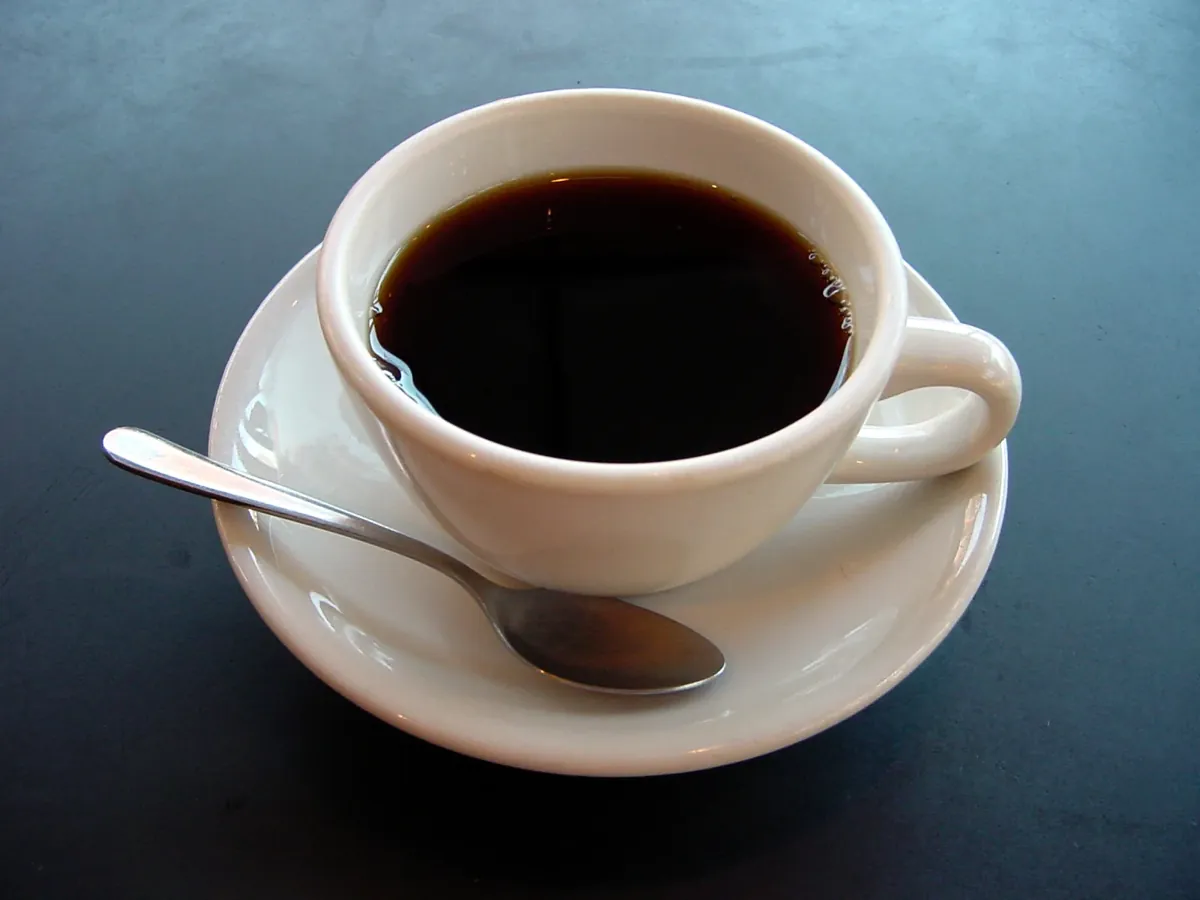
Cold brew coffee is not simply hot coffee poured over ice (which is known as "iced coffee" or "flash brew"). It is a distinct extraction methodology that completely removes thermal energy from the equation. By utilizing time rather than heat to coax the flavor compounds out of the coffee bean, you alter the chemistry of the final cup. The result is a remarkably smooth, naturally sweet, and highly caffeinated concentrate that is up to 60% less acidic than traditional hot-brewed coffee.
The Perfect Coffee-to-Water Ratio
The secret to excellent cold brew lies in the ratio. You are not making a ready-to-drink beverage; you are aiming to make a potent concentrate that will later be diluted with water or milk. A 1:4 ratio by weight (one part coffee to four parts water) is the golden standard used in specialty cafes. If you are using 100g of coffee, you will need 400g of filtered water.
| Desired Output | Coffee Beans (Grams) | Filtered Water (Grams/mL) |
|---|---|---|
| Small Batch (1 Mason Jar) | 80g | 320g |
| Medium Batch (Standard) | 150g | 600g |
| Large Batch (Cafe Style) | 340g (Standard 12oz bag) | 1360g |
Grind Size and Immersion Time
Because the coffee will be sitting in water for an extended period, an extra-coarse grind (resembling coarse sea salt) is mandatory. A fine grind will result in severe over-extraction, pulling out bitter tannins and making the final product muddy and astringent. Combine the coarse grounds and cold filtered water in a large glass vessel, stir gently to ensure all grounds are saturated, and let it steep at room temperature for exactly 16 to 18 hours. Steeping in the refrigerator is possible, but the colder temperature slows extraction significantly, requiring 24 to 30 hours to achieve the same result.
Filtration and Storage
Once the steeping process is complete, filtration is the most critical step. Pass the mixture through a paper filter or a fine mesh sieve lined with cheesecloth to remove all microscopic sediment. The resulting liquid is pure cold brew concentrate. Store it in an airtight glass bottle in the refrigerator, where oxidation occurs very slowly due to the lack of heat during brewing; it will remain fresh and vibrant for up to two weeks. Dilute it 1:1 with water or your favorite dairy alternative before serving over ice.
Related: Burr vs. Blade Grinders: Why Precision Grinding Matters | Water Chemistry and Coffee Extraction