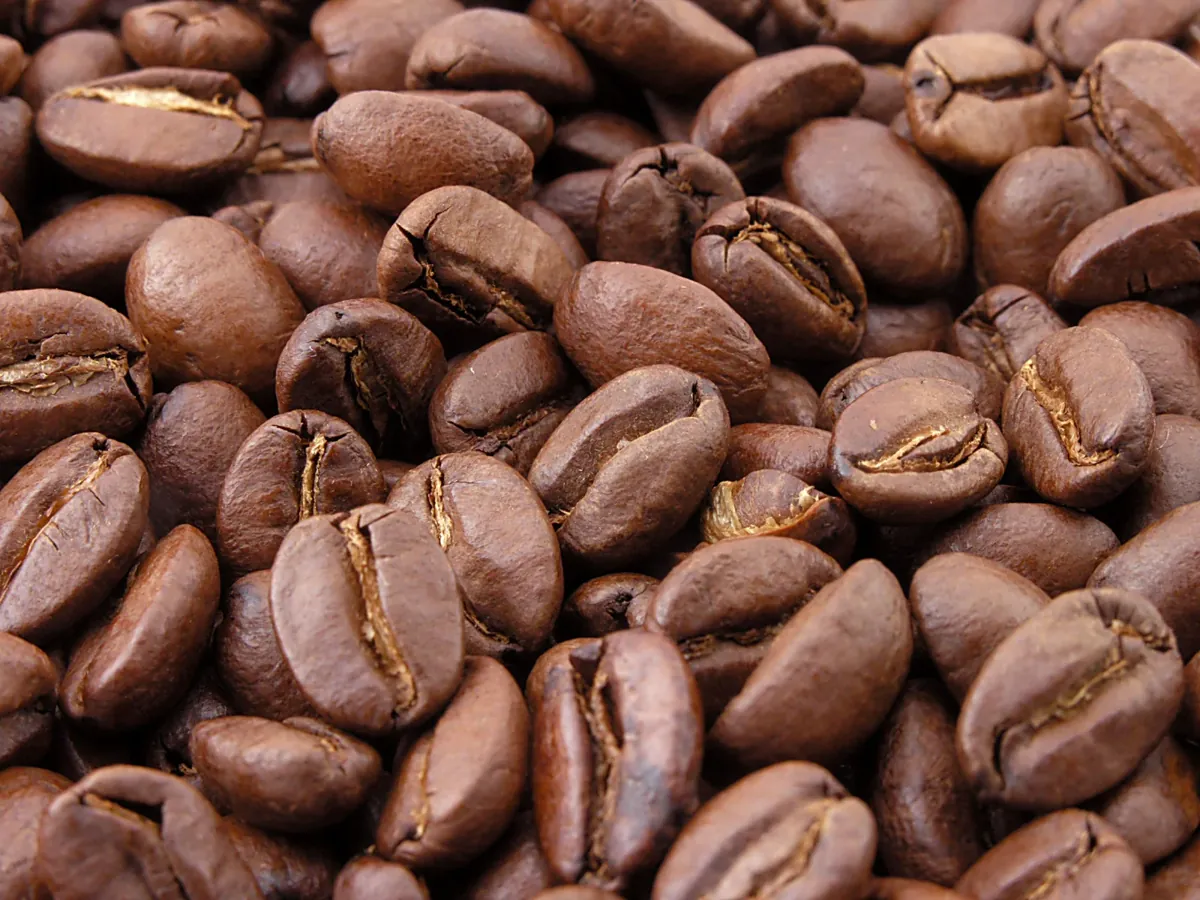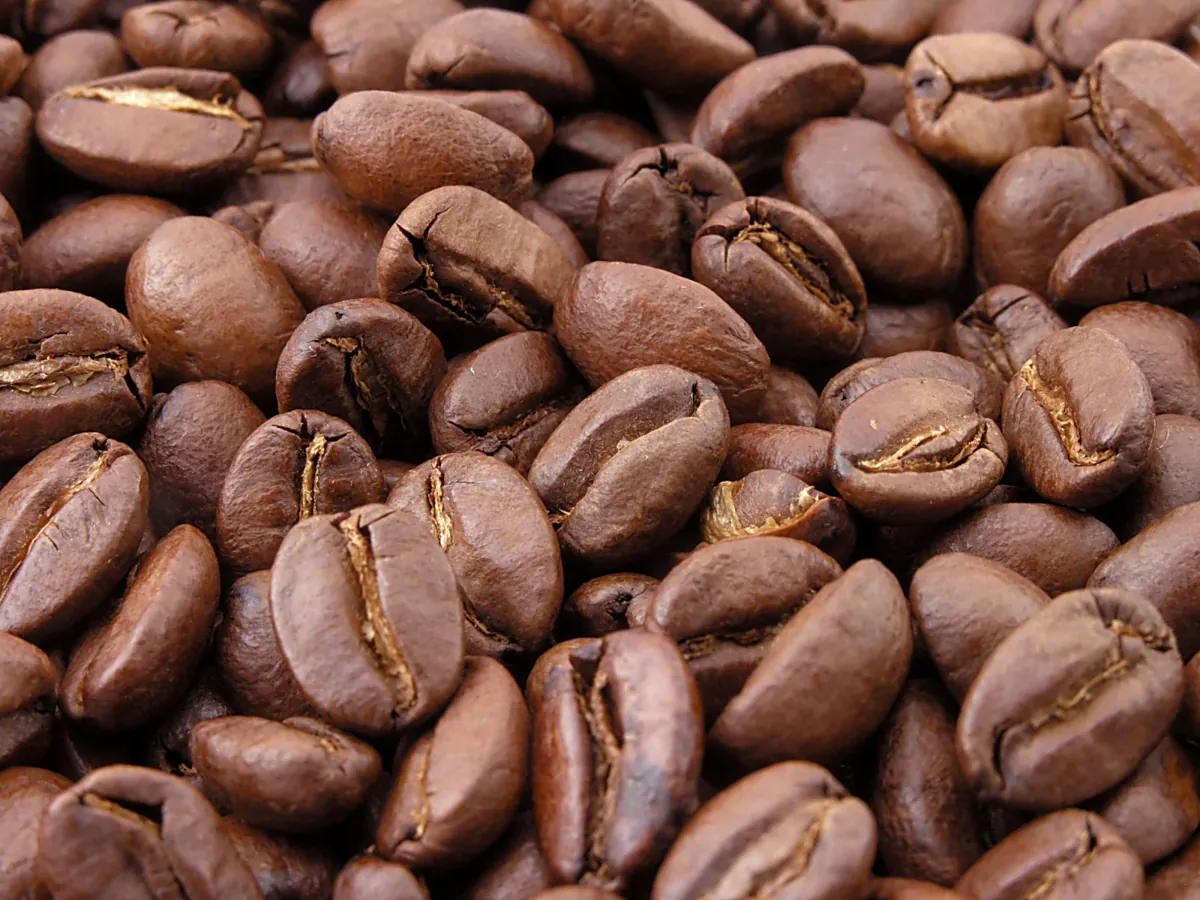

Pour over coffee is the method most likely to convert someone who "doesn't really taste the difference" between coffees into someone who does. The reason is not snobbery — it is physics. Pour over brewing, in which hot water is poured in a controlled manner through coffee grounds held in a filter, extracts with extraordinary clarity: the paper filter removes the oils that cloud and round the flavour of French press coffee, the controlled flow rate ensures even extraction, and the resulting cup reveals the specific character of the coffee — the blueberry notes of an Ethiopian Yirgacheffe, the milk chocolate and red fruit of a Colombian Huila, the black tea-like brightness of a Kenyan AA — in a way that automatic drip machines, with their imprecise flow and temperature, rarely achieve. Good pour over is simple to learn and transforms what you taste in your coffee.
The Three Main Pour Over Brewers
Hario V60
The Hario V60 (the name refers to the 60-degree angle of the cone walls) was designed by the Japanese glassware company Hario in 2004 and became globally influential through its adoption by the emerging third-wave specialty coffee movement in the late 2000s–2010s. Its defining features:
- Single large hole: Unlike the multiple small holes of older filter drippers, the V60's single large hole at the bottom allows the brewer to control flow rate entirely through the pour — faster pouring = faster drain = shorter extraction; slower pouring = slower drain = longer extraction. This is maximum control, which also means maximum responsibility: technique matters more with a V60 than with forgiving brewers.
- Spiral ridges: The interior ridges create an air channel between the filter and the cone, preventing the wet filter from suctioning against the walls and impeding flow — ensuring the water flows through the coffee rather than around it.
- Thin paper filters: V60 filters are thin and produce a very clean cup with fine clarity. They require pre-rinsing (pouring hot water through the filter before brewing) to eliminate the papery taste and to pre-heat the brewer.
The V60 is available in plastic (cheapest, excellent heat retention), ceramic, glass, and metal versions. The plastic V60-02 is the most recommended starting point — it performs as well as the premium materials at a fraction of the cost.
Chemex
The Chemex was designed in 1941 by German chemist Peter Schlumbohm, who combined an Erlenmeyer flask with a glass funnel and proprietary thick paper filters. It has been in the Museum of Modern Art's permanent collection since 1944 and is the most aesthetically striking of the pour over brewers — the hourglass glass form, the wooden collar tied with a leather cord, belongs on a kitchen counter as a design object.
Its functional difference from the V60 lies in the filter: Chemex filters are 2–3 times thicker than standard paper filters, removing more oils and producing an exceptionally clean, almost tea-like cup. This makes the Chemex particularly well-suited to showcasing bright, floral, fruit-forward coffees — Ethiopian and Kenyan naturals and washed coffees — where clarity is the goal. It makes it slightly less forgiving for coffees that need their oils for body, and slightly harder to extract fully (the thick filter creates more resistance, requiring a coarser grind than V60).
The Chemex is a larger brewer, typically serving 2–4 cups in a single brew — better for multiple people than the V60, which scales less conveniently.
Kalita Wave
The Kalita Wave (produced by Japanese company Kalita) uses a flat-bottomed dripper with three small holes, rather than a conical design with a single hole. The flat bottom promotes more even water distribution across the coffee bed and makes the extraction significantly more forgiving than the V60 — because the three small holes restrict flow and maintain a relatively constant water level above the grounds, the pour rate matters less. The "wave" refers to the crimped filter design, which keeps the filter away from the dripper walls (fulfilling the same function as the V60's spiral ridges). The Kalita Wave is the recommended beginner pour over brewer for those who want consistency without mastering technique.
The Variables: What Controls Pour Over Quality
Coffee-to-Water Ratio
The standard pour over ratio is 1:15 to 1:17 (1g coffee per 15–17ml water). This translates to:
- For 1 cup (250ml): 15–17g coffee
- For a Chemex (600ml): 36–40g coffee
Use the lower end (1:15) for a stronger, more intense cup; the higher end (1:17) for a lighter, more delicate cup. A kitchen scale (accurate to 1g) is not optional for consistent pour over — it is the single most important piece of equipment after the brewer itself.
Grind Size
Pour over requires a medium-fine to medium grind — coarser than espresso, finer than French press. The correct grind size for your specific brewer, coffee, and target brew time:
- Too fine: Overextraction, bitter, slow drain, muddy cup
- Too coarse: Underextraction, sour, thin, flat-tasting cup
- Target: V60 should drain in 3–3:30 minutes total; Chemex in 4–4:30 minutes; Kalita Wave in 3–3:30 minutes
A burr grinder (not blade) is essential — blade grinders produce wildly inconsistent particle sizes, making even extraction impossible regardless of technique.
Water Temperature
94–96°C is the standard target for most coffees. Lower temperature (90–92°C) for darker roasts (which are more soluble and risk overextraction at higher temperatures); higher end (96°C) for light roasts with more resistant cell structures. If you don't have a thermometer, boil water and wait 30–45 seconds — this brings a boiling kettle to approximately 93–95°C at sea level.
The V60 Recipe: Step by Step
Makes 300ml (1 large cup). Ratio: 1:16.7 (18g coffee to 300ml water).
- Pre-rinse: Place filter in the V60, pour hot water through to rinse (eliminates paper taste, heats the brewer). Discard the rinse water.
- Add coffee: 18g of medium-fine ground coffee into the rinsed filter. Give the brewer a gentle shake to level the bed.
- Bloom (0:00–0:45): Pour 40–50ml of water over the grounds in a slow circular motion, ensuring all the grounds are wet. The CO₂ released from fresh coffee will cause the grounds to bloom (swell and bubble). Wait 30–45 seconds. If there is no bloom, your coffee is not fresh enough.
- First pour (0:45–1:30): Pour water in slow circles from the centre outward to approximately 150ml total. Pour in a controlled, steady stream — not too slow (which cools the brew), not too fast (which can channelling).
- Second pour (1:30–2:30): When the water level has dropped to near the grounds, pour to approximately 250ml.
- Final pour (2:30–3:00): Top up to 300ml. Total drawdown should complete by 3:00–3:30.
- Taste and adjust: If the cup tastes sour and thin, grind finer or use hotter water. If it tastes bitter and harsh, grind coarser or use cooler water.
The Chemex Recipe: Adapted for the Thick Filter
Makes 600ml (serves 2–3). Ratio: 1:15 (40g coffee to 600ml water).
The Chemex recipe follows the same structure but uses a coarser grind (to compensate for the flow resistance of the thick filter), a longer bloom time (1 minute), and a total brew time of 4–4:30 minutes. The pre-rinse is particularly important with Chemex filters — the thick paper has a stronger papery note if unrinsed. Pour in 3–4 large pours (150ml each) at approximately 1-minute intervals, allowing the water level to drop to the grounds between each pour.
What Coffee to Use
Pour over showcases origin character, so use the best single-origin, freshly-roasted coffee you can find. The most popular pour over origins:
- Ethiopia Yirgacheffe/Sidama: Floral, jasmine, bergamot, blueberry. Spectacular in a Chemex at light roast.
- Kenya AA: Black currant, tomato, grapefruit. High clarity, long finish. Classic V60 candidate.
- Colombia Huila: Milk chocolate, red apple, caramel. Balanced and accessible — good entry-level pour over coffee.
Roast date matters: use coffee between 7 and 28 days after roasting. Before 7 days (degassing too strongly for even extraction); after 28 days (losing freshness). Buy from roasters who print the roast date — any good roaster does.
Related: Burr Grinder Guide: Why Your Grinder Matters More Than Your Brewer | French Press: The Complete Guide