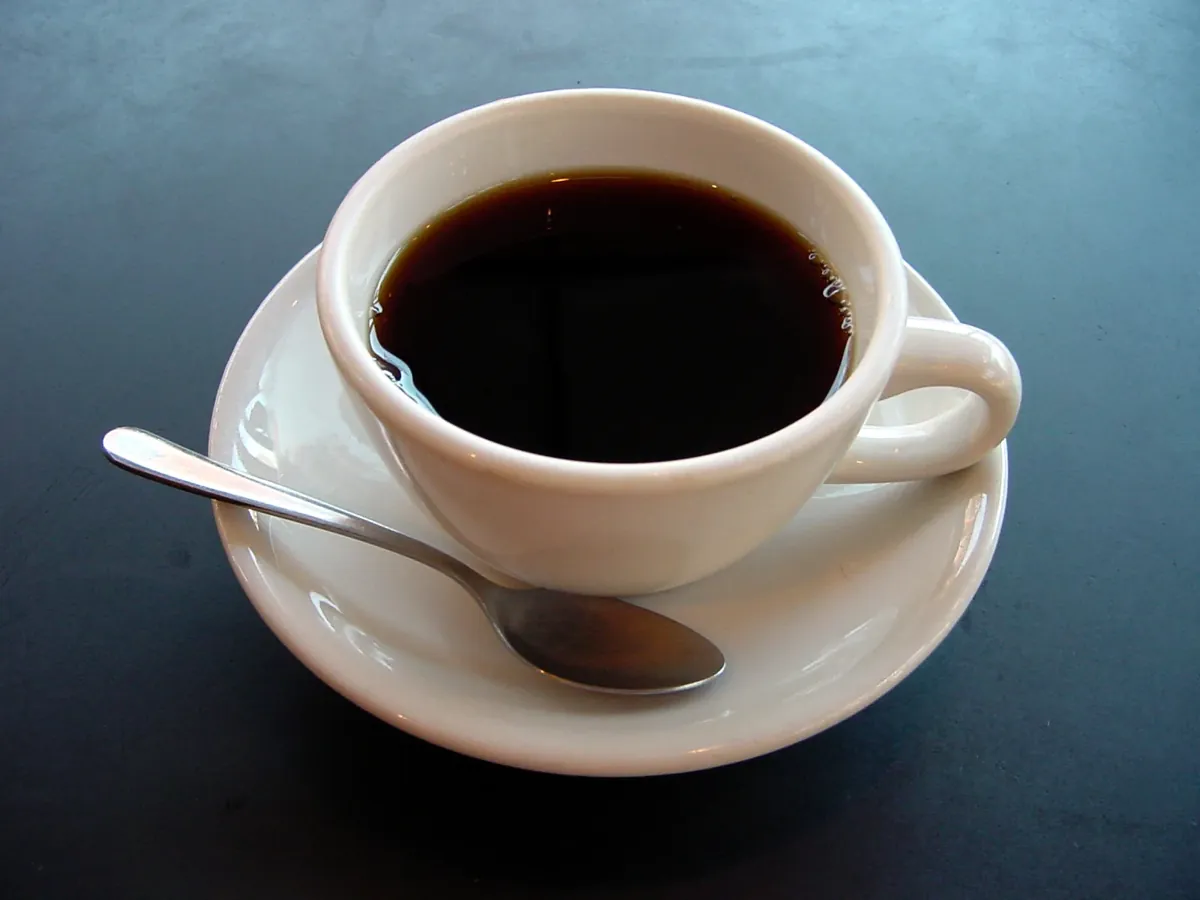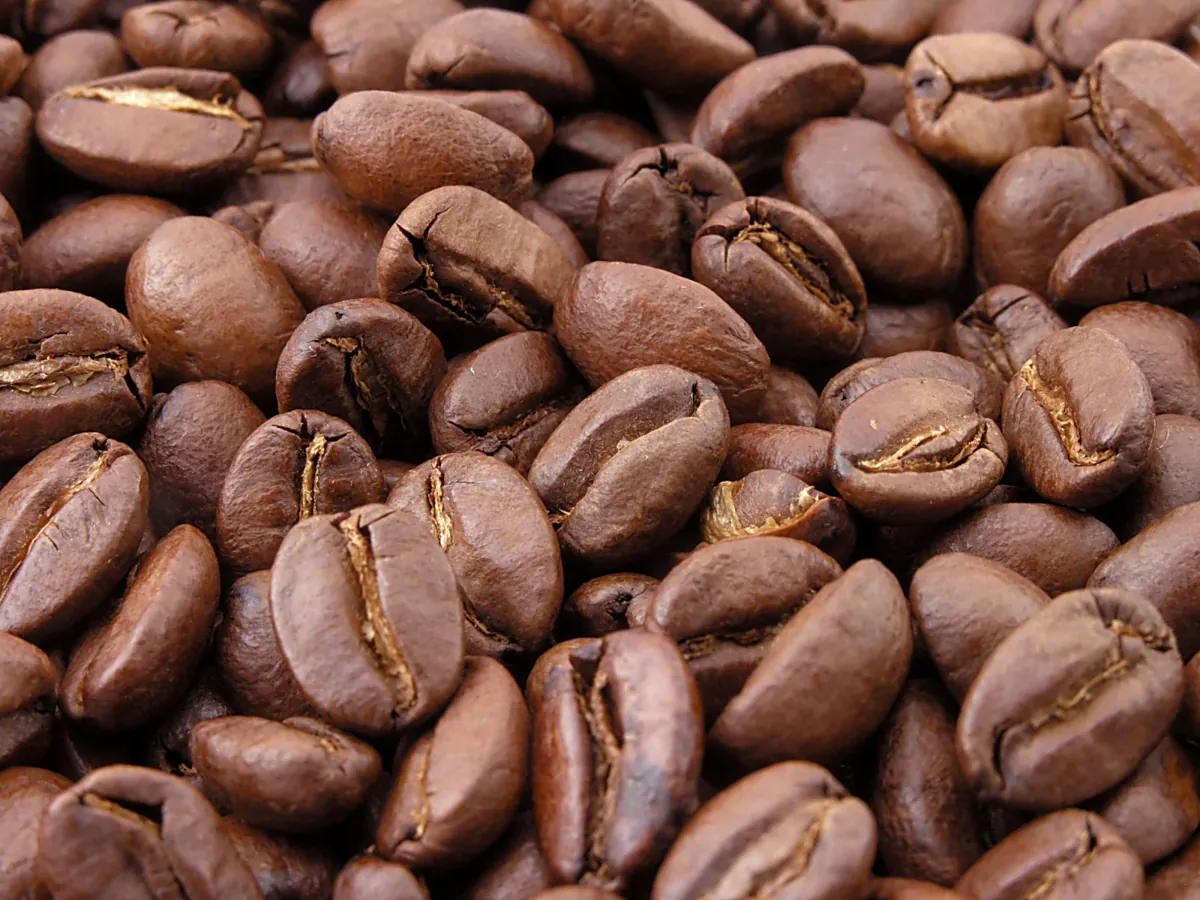
Coffee has more than 800 distinct volatile aromatic compounds — more than wine (approximately 400), more than whisky (approximately 300). Most of these compounds are produced during roasting through the Maillard reaction and caramelisation of the bean's sugars, starches, and amino acids. When coffee enters food — whether as a liquid extract, a powder, a rub, or a component of a sauce or marinade — it contributes not a single "coffee flavour" but a complex, shifting suite of roasted, fruity, floral, earthy, and bitter notes whose presence in a dish can be invisible (enhancing the flavour depth without anyone thinking "this tastes like coffee") or central (as in tiramisu, where the espresso is the structural and flavour foundation of the dessert). Coffee's power in cooking comes from three things: bitterness (which balances sweetness and fat), acidity (which brightens and cuts richness), and roasted complexity (which adds depth and the flavour of transformation by heat — the taste of the Maillard reaction that makes roasted meat, caramelised onions, and toasted bread pleasurable).
Tiramisu: Coffee's Most Famous Culinary Achievement
The origin of tiramisu is one of Italian food culture's most contested questions — several restaurants claim it, and the documentary record is imprecise. The most credible attribution points to the restaurant Le Beccherie in Treviso, Veneto, where chef Loly Linguanotto and owner Ada Campeol reportedly created it in the early 1970s. The name — tirami sù, literally "pull me up" or "lift me up" — is a direct reference to the coffee and the sugar's stimulant effect.
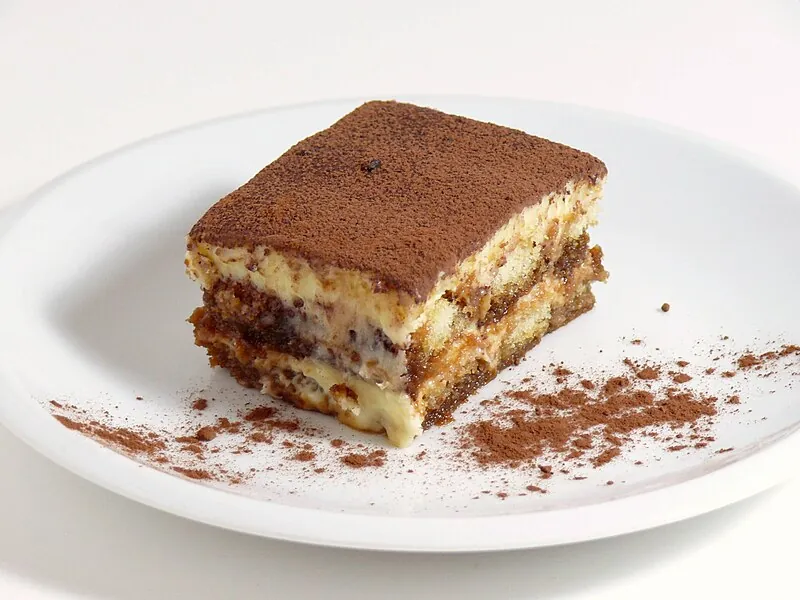
The classic construction: savoiardi (Italian ladyfinger biscuits) briefly dipped in cold espresso (sometimes with a splash of marsala wine or rum), layered with a cream of mascarpone, egg yolks, and sugar (sometimes with whipped egg whites folded in for lightness), dusted generously with unsweetened cocoa powder. The dessert is refrigerated for several hours, during which the espresso-soaked biscuits soften completely into the cream layer, losing their identity as biscuits and becoming a coffee-saturated matrix that supports and flavours the mascarpone above it.
Coffee is not merely present in tiramisu — it is the reason the dessert exists. Without the espresso, the mascarpone cream is rich but undifferentiated. The coffee provides the bitter counterpoint to the sweet dairy fat, the aromatic complexity that elevates each mouthful, and the textural contribution of the soaked biscuits. The quality of the espresso directly determines the quality of the tiramisu — a fact that many recipes understate. Weak or stale coffee produces a bland result; a well-extracted double shot of good quality arabica, cooled and used to soak the biscuits, is the essential ingredient.
The Coffee Rub: Coffee and Meat
The use of coffee in dry rubs for beef, lamb, and game is one of the most versatile applications of coffee in savoury cooking — and one of the most surprising to cooks who haven't tried it. The logic is straightforward: coffee's roasted bitterness and high antioxidant content interact with the fats and proteins of meat in ways that amplify the Maillard reaction browning during searing, add a dark, complex crust, and counterbalance the fat richness of well-marbled cuts.
A standard coffee rub for beef (proportions by weight): 25% coarsely ground dark roast coffee, 25% dark brown sugar, 20% smoked paprika, 15% flaked salt, 10% ground black pepper, 5% garlic powder. Applied generously to the surface of a brisket, short rib, or rib-eye steak 30–60 minutes before cooking. During a hot sear or low-and-slow smoke, the coffee caramelises with the brown sugar to form a bark of extraordinary complexity — the burnt surface of the rub is not actually burnt (the coffee already contains Maillard products from roasting), but adds a roasted depth that makes the crust taste more intensely beefy than beef alone could manage.
This is coffee not as an added flavour but as an amplifier — enhancing the existing flavours of the meat rather than competing with them. Well-applied coffee rub should not make your steak taste like coffee; it should make your steak taste more intensely like steak.
Mole Negro: Coffee in Mexican Cuisine
The great Mexican sauce mole negro — the most complex of the mole family, originating in Oaxaca — can contain 30–40 ingredients: multiple varieties of dried and fresh chillies, tomatoes, tomatillos, plantain, nuts, seeds, chocolate, spices, and, in many traditional recipes, a small amount of black coffee or very dark roasted coffee beans. The coffee's function in mole negro is identical to its function in a meat rub: it adds roasted bitterness and depth that ties the enormous flavour complexity of the sauce together, providing a low bass note against which the higher, brighter flavours of the chillies and chocolate register more clearly.
Coffee is not widely known as a mole ingredient because it is not mentioned in simplified or foreign adaptations of the recipe — but in traditional Oaxacan cooking, particularly the moles made in multigenerational family contexts, coffee's contribution is understood and valued.
Ethiopian Berbere and Coffee: A Natural Pairing
In Ethiopia — where coffee originated — the traditional spice blend berbere (cardamom, ginger, fenugreek, coriander, chilli, and other spices) is used to season the same dishes that are accompanied by coffee, and the two share a flavour kinship: the cardamom and ginger in berbere are echoed in the natural flavour notes of Ethiopian arabica coffee. This is not a designed pairing but an ecological one — plants that grow in the same landscape develop aromatic relationships, and Ethiopian food and Ethiopian coffee share a terroir that makes them naturally complementary.
Coffee in Baking: Beyond the Caffeine
Coffee Cake
The coffee cake — in British usage, a cake flavoured with coffee (typically coffee extract or espresso powder); in American usage, confusingly, a cake intended to be eaten with coffee (not necessarily containing coffee) — is one of the most reliably successful applications of coffee flavour in baking. The bitter coffee notes cut through the sweetness of the cake batter and the richness of the buttercream frosting; the pairing with walnuts (another bitter, fat-rich ingredient) creates a harmonic bitterness that makes the overall flavour more complex than either ingredient alone. Classic British coffee cake: a Victoria sponge base with strong espresso in the batter, coffee-flavoured buttercream, and walnut halves as garnish.
Chocolate and Coffee: The Perfect Enhancement
Small amounts of coffee — below the threshold of perceptibility as a distinct flavour — are routinely added to chocolate desserts by professional pastry chefs because coffee enhances the perception of chocolate flavour. The mechanism: both coffee and chocolate contain many of the same aromatic compounds (pyrazines, furans, aldehydes from the Maillard reaction during roasting), and the additional roasted aromatic load from coffee amplifies these shared compounds in the chocolate. A tablespoon of strong espresso added to a chocolate brownie recipe, or a teaspoon of espresso powder to a chocolate ganache, makes the chocolate taste more intensely chocolate without tasting like coffee.
Coffee Cardamom Cake: The Nordic Tradition
In Scandinavian baking — particularly Swedish and Finnish café culture — the combination of coffee and cardamom appears in the classic kardemummakaka (cardamom cake) and in the cardamom buns that are the backbone of the fika tradition. The cardamom-coffee flavour relationship is one of the great natural pairings in food: cardamom's citrus-eucalyptus aromatic complexity has an affinity with the floral and fruity notes of light-roasted arabica coffee that makes the combination more than the sum of its parts. The spice amplifies the aromatic complexity of the coffee; the coffee's bitterness anchors the sweetness of the cardamom. This is the same principle as the Ethiopian terroir pairing, arrived at independently through centuries of Nordic baking tradition.
How to Cook with Coffee: Practical Guidelines
- Use strong, well-extracted coffee: Weak or stale coffee adds bitterness without aromatics. For cooking, cold brew concentrate or a well-pulled espresso give the most flavour per tablespoon.
- Espresso powder (freeze-dried espresso) is the most convenient cooking form — no liquid added, intense flavour, long shelf life. Add 1–2 teaspoons to chocolate desserts, spice rubs, and sauces.
- Match roast level to application: Light roasts bring bright acidity and fruit notes — better for desserts where these qualities are welcome. Dark roasts bring more bitterness and roasted depth — better for meat rubs and red wine sauces.
- Coffee in red wine sauces: Add 2 tablespoons of strong espresso to a red wine reduction for steak — the coffee amplifies the tannins of the wine and adds roasted depth that matches the seared meat.
Related: Coffee and Ice Cream: The Greatest Cold Combination | Coffee in Alcoholic Drinks