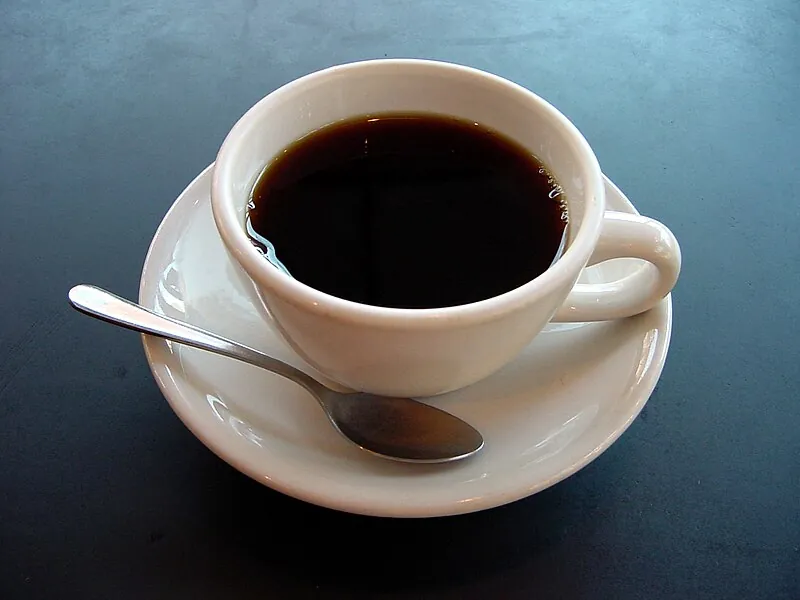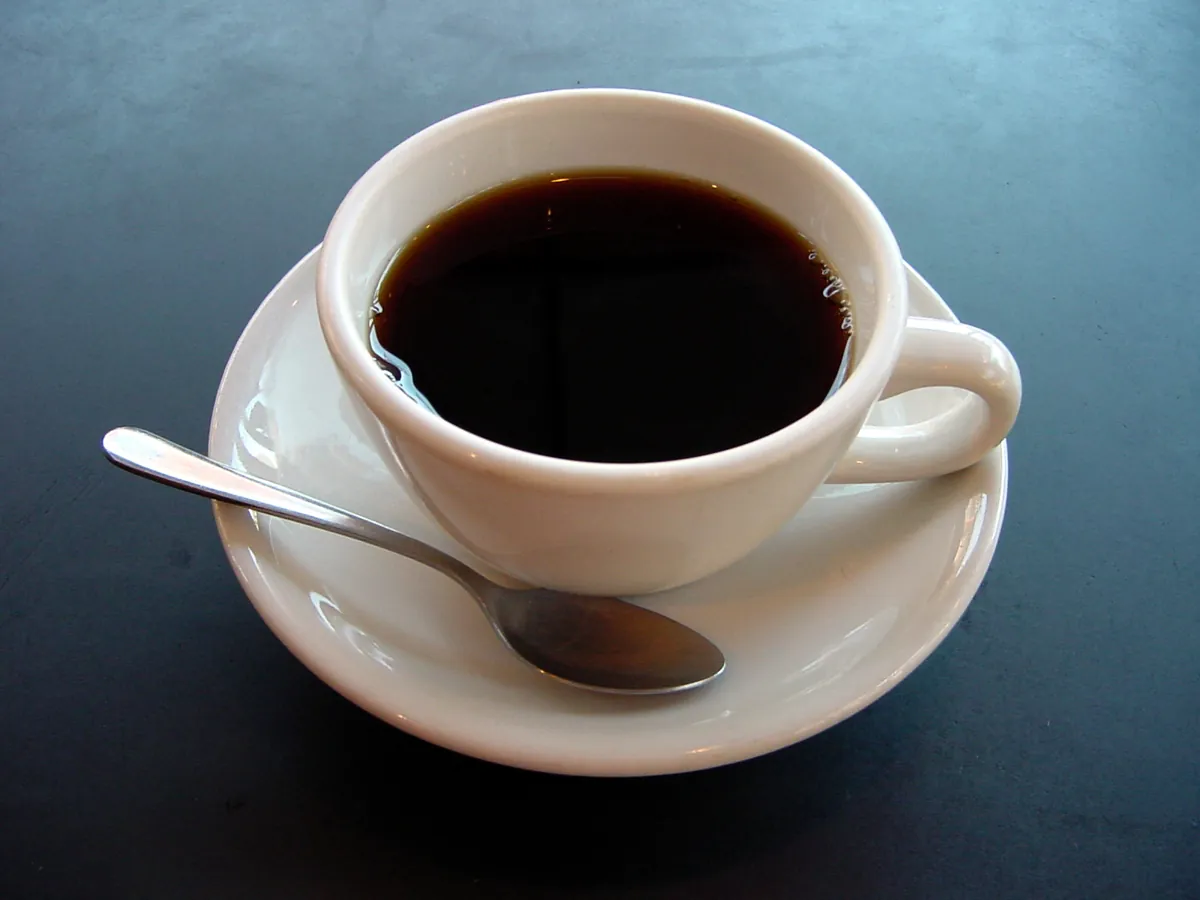
The reputation of decaf coffee as inferior is approximately 40 years out of date. It originated from a period when the dominant decaffeination method used benzene, then later methylene chloride, as chemical solvents that removed caffeine but also stripped significant quantities of the aromatic compounds responsible for coffee's flavour. Specialty coffee roasters have been sourcing high-quality decaffeinated green beans processed by better methods since the 2000s, and the current generation of decaf from quality roasters is genuinely excellent coffee. The quality of the green bean before decaffeination, and the method used, determine the quality of the result far more than the act of decaffeination itself.
How Decaffeination Works: The Four Methods
Solvent-Based Decaffeination (Methylene Chloride / Ethyl Acetate)
The traditional industrial method: green coffee beans are steamed to open their pores, soaked in a chemical solvent (methylene chloride, also used in paint strippers, or ethyl acetate, which occurs naturally in fruit fermentation), which selectively binds to caffeine molecules. The solvent and caffeine are then washed away, and the beans are steamed again to remove solvent residues. The FDA permits methylene chloride in decaffeination with residue limits under 10 parts per million, and the roasting process further reduces residue levels. Ethyl acetate is considered more natural and is marketed as "naturally decaffeinated" (since EA occurs in fruit). Both methods remove some flavour compounds alongside caffeine. This method is still used for most commercial decaf sold in supermarkets.
Swiss Water Process
Developed in Switzerland in the 1930s and refined by the Swiss Water Decaffeinated Coffee Company in Burnaby, British Columbia, the Swiss Water Process uses no chemical solvents. Green beans are soaked in hot water, which extracts caffeine along with flavour compounds. The water is then passed through activated charcoal filters that trap caffeine molecules (which are larger) while allowing flavour compounds to pass back through. The flavour-rich, caffeine-free water (Green Coffee Extract, or GCE) is then reused to soak the next batch of green beans; because the water is already saturated with flavour compounds, only caffeine moves out of the new beans (by osmotic gradient). The process removes 99.9% of caffeine and retains a much higher proportion of flavour compounds than solvent methods. Swiss Water Process is certified organic-process and is used by most specialty roasters offering high-quality decaf.
CO2 Supercritical Extraction
The most technically sophisticated and expensive method: carbon dioxide is pressurised to a "supercritical" state (above 31°C and 73 atmospheres of pressure) where it has properties of both a liquid and a gas. In this state, CO2 acts as a highly selective solvent that dissolves caffeine molecules almost exclusively, leaving flavour compounds intact. The CO2 is then depressurised, releasing the caffeine as a separate residue. The process removes 99.9%+ of caffeine with minimal impact on flavour. The CO2 method is used by premium roasters and produces decaf with the closest flavour profile to the original caffeinated coffee. Roasters including Rounton Coffee, Round Hill, and Extract Coffee Roasters use CO2-decaffeinated green beans.
Mountain Water Process
A Mexican-developed variation of the Swiss Water Process, operated by Descamex in Veracruz. Functionally identical to the Swiss Water Process but uses water from Pico de Orizaba (the highest mountain in Mexico) for marketing narrative. Quality is comparable to Swiss Water at equivalent green bean quality.
Best Decaf Coffees by Category
Best Supermarket Decaf
- Lavazza Dek Whole Bean (£8 to £10 per 500g): Methylene chloride process but uses higher-quality blend beans than most supermarket decaf. Consistently well-rated for supermarket-category decaf. Produces acceptable espresso and Moka pot results.
- Percol Swiss Water Decaf (£5 to £7 per 200g): Uses Swiss Water Process and is available in most UK supermarkets. Lighter roast profile than Lavazza Dek; works well as filter and Aeropress coffee.
- Taylors of Harrogate Decaf (£5 to £8 per 227g): Supermarket-available ethyl acetate decaf with a mild, chocolate-forward flavour profile suited to milk-based drinks.
Best Specialty Decaf (Online/Specialty Coffee Shops)
- Square Mile Coffee Roasters Decaf (London): £11 to £13 per 350g: Seasonal single-origin or blend, Swiss Water or CO2 processed, with full origin notes and brewing recommendations. Arguably the best widely available UK specialty decaf.
- Dark Arts Coffee Decaf (London): £10 to £12 per 250g: CO2 process, single origin, light to medium roast. Exceptional as pour-over; the closest specialty decaf to its caffeinated equivalent in transparency and brightness.
- Hasbean Stephen's Blend Decaf (Stafford): £8 to £10 per 250g: Swiss Water process, medium roast, designed specifically for espresso and milk drinks. Works across all brewing methods.
- Rounton Coffee Decaf (North Yorkshire): £9 to £11 per 250g: CO2 process, single origin, with detailed flavour notes. Particularly good as a filter decaf for evening consumption.
Best Decaf for Espresso and Milk Drinks
Decaf espresso requires the same grind settings as regular espresso but slightly longer extraction time (adding 2 to 3 seconds to the shot time compensates for the slightly lower solubility of decaffeinated beans). The best decaf for espresso tends to be medium to medium-dark roasted and processed by Swiss Water or CO2 methods. Hasbean's decaf blend and Square Mile's seasonal decaf are both designed for espresso extraction and produce a proper crema (which is produced by CO2 released during extraction, not by caffeine, contrary to common belief).
Does Decaf Taste Different?
In a blind tasting using CO2-process specialty decaf against its caffeinated counterpart from the same crop, most tasters cannot reliably distinguish the two. With supermarket solvent-process decaf, the difference is detectable: a slightly flat, less aromatic cup with reduced acidity. The practical takeaway is that the quality of the decaf is determined by the quality of the green bean and the decaffeination method, not by decaffeination itself. A high-quality CO2-process specialty decaf will taste better than a poor-quality caffeinated coffee at any price point.
Related: Coffee and Pregnancy: How Much Caffeine Is Safe? | Coffee vs Tea: Which Is Actually Better for Your Health?